
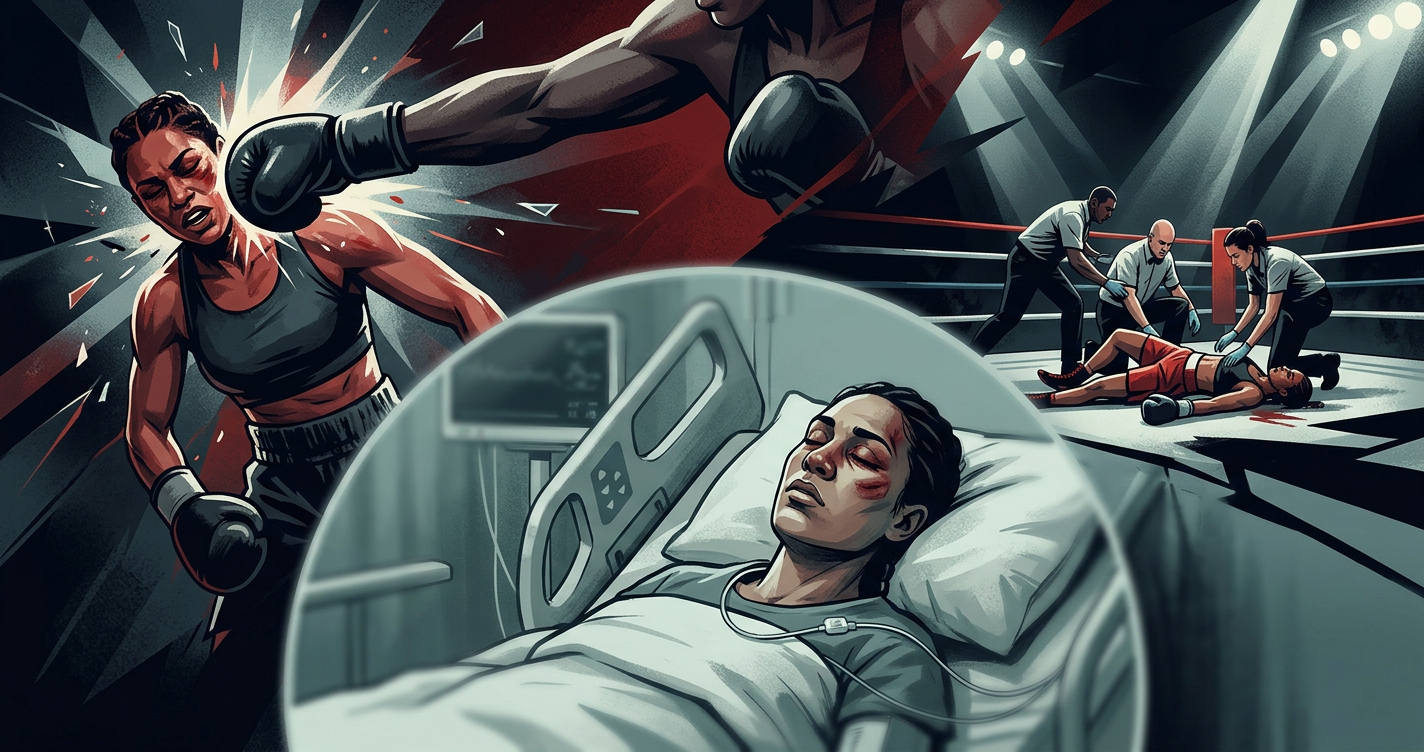
The boxing community is focused on health updates from Sydney today following reports that heavyweight prospect Isis Sio has been placed in a medically induced coma. The situation developed rapidly after Sio suffered a knockout defeat during a televised card over the weekend, reigniting immediate concerns regarding athlete safety and officiating protocols in high-stakes bouts.
Sio, a rising figure in the Australian heavyweight scene, was competing in what many viewed as a significant step-up opportunity. However, the contest ended abruptly when a series of heavy punches left Sio unable to continue. While initial ringside assessments appeared routine, the fighter’s condition worsened shortly after returning to the dressing room, necessitating an emergency transport to a nearby hospital.
Medical Interventions and Immediate Response
According to statements from the promotional team and medical staff on-site, the decision to induce a coma was a preemptive measure taken by neurosurgeons to manage brain swelling. This is a standard but serious procedure in combat sports injuries, designed to allow the brain to rest and recover from the trauma of impact.
The incident has cast a somber mood over the sport, particularly as Sio was beginning to gain traction as a legitimate contender. Family members have reportedly arrived at the hospital, though they have requested privacy as they await further neurological testing results. Promoters have confirmed they are working closely with the local combat sports authority to review the footage and medical clearances leading up to the event.
Scrutiny on Heavyweight Safety Protocols
Whenever a high-profile injury of this nature occurs, the internal mechanics of the sport come under the microscope. Critics and analysts are already questioning the duration of the final exchange and whether the referee could have intervened sooner. In the heavyweight division, where the force of impact is significantly higher than in lower weight classes, the margin for error in officiating is razor-thin.
This news follows a period of heightened activity in the heavyweight landscape. While fans are often preoccupied with the movements of champions like Oleksandr Usyk or the future plans of Dana White’s Zuffa Boxing, the Sio tragedy serves as a stark reminder of the physical risks inherent at every level of the game. The incident will likely prompt a review of the mandatory stand-down periods and the frequency of neurological scans for active competitors in the region.
Looking Ahead for the Sio Family and the Sport
The next 48 to 72 hours are regarded as critical by medical professionals. Updates are expected to be sparse until doctors attempt to reduce the sedation and assess Sio’s cognitive and motor functions. In the meantime, the Australian boxing scene has rallied, with several prominent trainers and fighters offering public support for the Sio family.
For the broader industry, this event adds pressure on commissions to standardize “return to play” protocols. While the focus remains entirely on Sio’s recovery, the administrative fallout regarding licensing and pre-fight medical requirements in the heavyweight division is expected to be a major talking point at the next regulatory meeting.
Frequently Asked Questions
What is the purpose of a medically induced coma in boxing injuries?
Doctors use controlled sedation to significantly reduce the brain’s metabolic rate. By doing this, they can manage intracranial pressure and swelling that often follows a severe concussion or traumatic brain injury, giving the tissue a better chance to heal without further damage.
Who is responsible for stopping a fight when a boxer is in trouble?
The primary responsibility lies with the referee, who must prioritize the fighter’s safety above the continuation of the match. However, a fighter’s corner can also “throw in the towel,” and the ringside physician has the authority to advise the referee to end the bout if they detect a neurological decline.
What are the standard medical requirements before a professional bout?
Most major commissions require fighters to undergo annual MRI or MRA brain scans, blood work for infectious diseases, and an eye exam. On the day of the fight, a “pre-bout” physical is conducted to ensure the athlete is fit to compete, though these exams cannot always predict how a brain will respond to trauma during the fight itself.