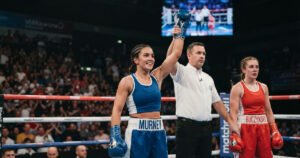
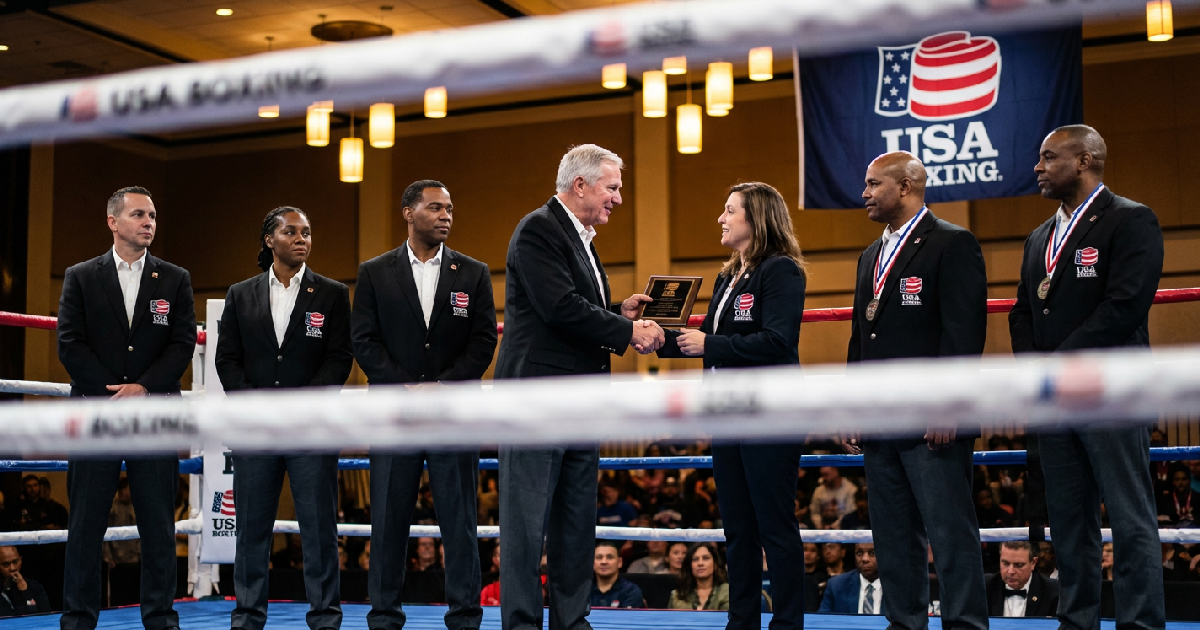
The backbone of amateur boxing often remains in the shadows, but USA Boxing has recently taken a step toward highlighting the critical work of the individuals who maintain order in the ring. In a move to emphasize technical expertise and athlete safety, the national governing body has recognized a select group of officials for their contributions to the sport over the previous competition cycle.
Judging and refereeing are frequently the most scrutinized roles in any combat sport. For those working under the USA Boxing banner, the pressure is compounded by the responsibility of nurturing developing talent while maintaining strict safety protocols. The officials recently highlighted represent various regions of the national officiating pool and were reportedly selected based on their consistency across regional tournaments and elite-level national championships.
Evaluating excellence in the ring
The evaluation of top-tier officials within the amateur circuit is rarely about seniority alone. USA Boxing utilizes a review system that tracks performance through various stages of the year. Critical factors usually include accuracy in scoring, command of the ring during high-intensity bouts, and the ability to interpret complex technical rules under pressure. Many of these officials have contributed to the latest boxing results and fixtures across the amateur landscape, ensuring that the transition from local gyms to national stages remains professional for the athletes.
National and regional coordinators assess a wide field of referees and judges to identify those who meet the highest standards. This recognition serves as a benchmark for the thousands of volunteers who keep the amateur circuit running. While professional boxing often makes headlines for controversial scorecards, the amateur system focuses heavily on a high-volume scoring philosophy and athlete protection, making the official’s role as much about education as it is about enforcement.
Safety and the amateur pipeline
The officials recently recognized have been noted for their roles during a period of steady interest in the sport across the United States. As new programs emerge and young athletes enter the ring, the demand for high-quality officiating continues to grow. These officials often oversee a range of events, from youth qualifiers to elite national championships, frequently working through multi-day tournaments to ensure fair play.
Recognition within the national body is also often viewed as a pipeline for international opportunities. Officials who excel at this level are frequently regarded as strong candidates for selection to work with international organizations and even Olympic-qualifying events. Looking ahead, the standard set by these experienced individuals will likely influence how the heavyweight rankings and tournament brackets are managed in upcoming seasons, as veteran officials often transition into supervisory and evaluative roles.
Modernizing the amateur game
The spotlight on individual officials highlights a broader push by USA Boxing to modernize the sport’s infrastructure. In recent years, the organization has integrated more digital scoring systems and video review protocols to assist the human element of the sport with modern accuracy. The officials recognized this year have been at the forefront of implementing these technologies in a real-world environment.
Beyond technology, mentorship remains a primary focus for the organization. Many veteran officials spend their time outside of major tournaments conducting clinics for local boxing committees. They are responsible for training the next generation of referees who will eventually oversee the rise of future stars. The impact of high-stakes officiating is well-known in the professional world, where the Fundora and Thurman payouts and career trajectories are often dictated by the points on a card; that journey starts with the technical foundation built in the amateurs.
Stability in the officiating corps
As the upcoming competition schedule begins to take shape, these recognized officials are expected to shift from being the ones evaluated to being the evaluators. Reports suggest this group will lead workshops at upcoming national gatherings, focusing on consistency in officiating and identifying fouls that are often missed in high-speed exchanges. With the Olympic cycle moving toward its next major phase, the stability and quality of the officiating corps remain vital to the sport’s integrity.
Frequently Asked Questions
How are elite amateur officials identified?
Selection is generally based on a combination of performance data, peer reviews, and evaluations from national leadership. They look for individuals who maintain a high degree of accuracy and composure in major tournaments.
Do these officials also work professional fights?
While some officials hold licenses for both, USA Boxing officials focus specifically on the amateur and Olympic style of the sport. The rules and scoring criteria differ significantly from the professional ranks.
How can someone become a certified boxing official?
It requires going through a specific certification process. Prospective officials must attend clinics, pass technical tests, and gain experience at the local level before advancing to national-level assignments.