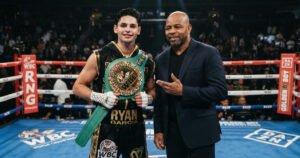
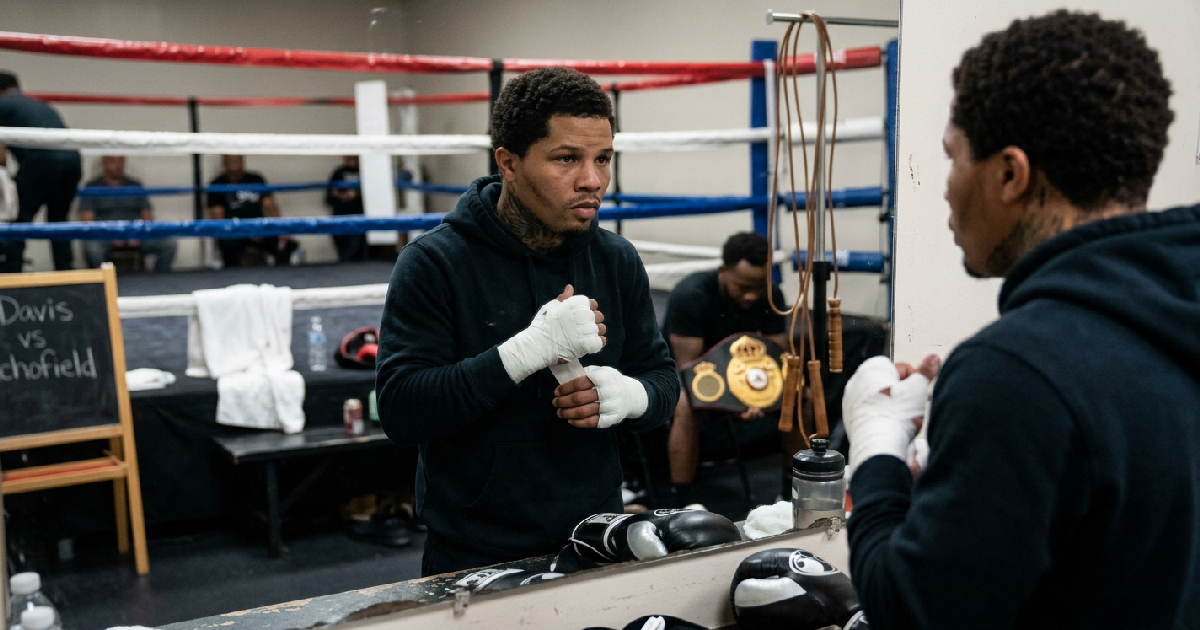
The World Boxing Association (WBA) has officially ordered Gervonta Davis to defend his lightweight world title against mandatory challenger Floyd Schofield, potentially upending various high-profile unification plans for the late 2026 season. On May 24, 2026, the governing body confirmed that a 30-day negotiation widow is now open for the two camps to reach an agreement, effectively placing Gervonta Davis, currently designated as the “champion in recess,” on a collision course with the undefeated top-ranked contender.
This mandate forces the hand of Premier Boxing Champions (PBC) and TGB Promotions, who have spent the better part of the year attempting to lure other champions into the ring. While fans have clamored for a showdown with Vasiliy Lomachenko or Shakur Stevenson, the WBA’s decision to enforce the Floyd Schofield mandatory takes precedence. If the teams fail to reach terms within the allocated month, the fight will head to a purse bid, where any promoter can bid to host the event.
Gervonta Davis has developed into the sport’s premier “face of boxing” following several lucrative pay-per-view outings. However, his status as “champion in recess” was a temporary measure following a period of inactivity. By ordering this defense, the WBA is ensuring that the lightweight division does not stagnate. It is a similar move to recent administrative shifts where Rolando Romero was elevated to clarify the title picture in his respective weight class.
Championship requirements and the Floyd Schofield challenge
Floyd Schofield, frequently referred to by his moniker “Kid Austin,” has campaigned aggressively for this opportunity. At just 23 years old, Floyd Schofield represents a younger generation of lightweights looking to bridge the gap between prospect and superstar. Despite concerns from some critics that he may lack the seasoning to handle the power of Gervonta Davis, the WBA ratings have him firmly in the number one slot.
The champion’s camp had reportedly been exploring a variety of alternate routes. Rumors suggested a potential move up in weight or a delayed unification, but the WBA’s formal order largely shuts those doors unless a “step-aside” agreement is reached. Historically, Gervonta Davis has preferred to satisfy his mandatory obligations to keep his titles, though boxing matches are often delayed by contract talks and promotional friction.
For Floyd Schofield, the fight is a lottery-win scenario. Entering the ring with a name like Davis guarantees the highest payday of his career and global visibility. His style—characterized by high-volume punching and athletic movement—could present a different look for the champion, who often spends the early rounds downloading data before looking for a one-punch knockout.
Impact on the lightweight landscape and unification dreams
The order complicates matters for the rest of the 135-pound division. Shakur Stevenson and William Zepeda are currently hovering around the title picture, hoping for their own crack at Davis. If Davis vs. Schofield is finalized for the third quarter of 2026, it pushes any potential unifications into 2027. This reflects a broader trend of administrative hurdles slowing down the biggest fights in the sport.
We often see these scenarios play out when various sanctioning bodies demand their turn at the table. Even legendary figures like Terence Crawford have noted that the politics of the four-belt era can frustrate even the most ambitious champions. For Davis, the Schofield fight is a “must-win” that keeps the lucrative future dates on the table without the risk of being stripped of his belt.
If the fight goes to purse bid, it opens the door for Matchroom Boxing or Golden Boy Promotions to swoop in. While Davis is loyal to the PBC banner, a purse bid is a blind auction where the highest bidder wins the right to dictate the date and venue. This adds a layer of financial risk for Davis’s current representatives if they cannot strike a deal with Floyd Schofield’s team quickly.
What happens if the mandatory is ignored
Should Gervonta Davis choose to ignore the WBA mandate, the sanctioning body would likely strip him of the title. This would leave Floyd Schofield to fight for a vacant belt against the next available contender. However, Davis has expressed a desire to remain a world champion, and his brand is significantly bolstered by the “world title” prestige that accompanies his pay-per-view events.
The next few weeks will be critical as the 30-day clock ticks down. Expect to see posturing from both sides on social media as they attempt to build leverage. For fans, it is a bittersweet development; while Floyd Schofield is a live underdog, the world is still waiting for the definitive “superfights” that define an era.
Frequently Asked Questions
Why did the WBA order Gervonta Davis to fight Floyd Schofield?
The WBA ordered the fight because Floyd Schofield is the number one ranked contender and the mandatory challenger. Governing bodies issue these orders regularly to ensure champions defend their titles against top-rated opponents rather than only picking elective “money fights.”
What is a 30-day negotiation window in boxing?
This is a formal period where the promoters for both fighters are given the exclusive right to agree on terms such as the purse split, venue, and date. If they cannot reach an agreement within 30 days, the WBA will call for a purse bid, allowing any licensed promoter to bid on the event.
Is Gervonta Davis still the champion while in recess?
Yes, being a “champion in recess” generally allows a fighter to retain their status while dealing with injury or short-term inactivity. However, the WBA’s recent order signifies that the recess period is over and the champion must now return to active status to defend the crown.