
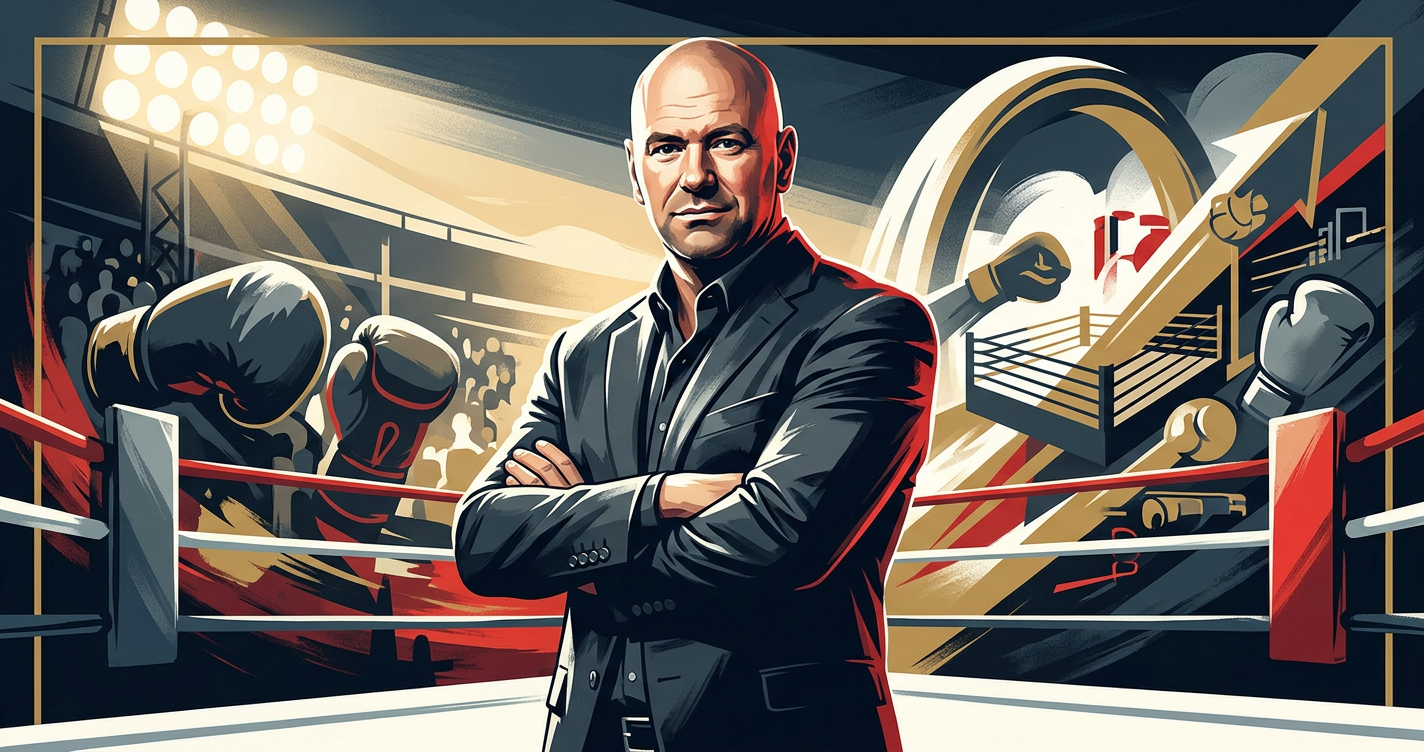
The long-gestating promise of Zuffa Boxing appears finally to have a firm window, with Dana White confirming that his move into the pugilistic space is slated for 2027. For years, the UFC CEO has hinted at a disruptive entry into a sport he frequently criticizes for its fragmented structure and promotional hurdles. Now, the timeline is moving from hypothetical to operational.
White’s frustrations with boxing’s current model are well-documented. He has often pointed to the sport’s inability to consistently make the biggest fights, the reliance on aging stars, and a lack of centralized authority as reasons for its perceived stagnation. By contrast, the UFC model built by Zuffa—and now under the TKO Group Holdings banner—thrives on keeping the best fighting the best under a single banner. Bringing that philosophy to the ring has been a goal of White’s since he first wore a “Zuffa Boxing” shirt at the Floyd Mayweather vs. Conor McGregor press tour in 2017.
Building the Infrastructure for a New Promotion
While specific signings have not been made public, industry chatter suggests White is looking at the grassroots and collegiate levels to build a roster from the ground up. This differs from the traditional boxing model, where promoters often fight over established free agents or Olympians. White seems more interested in creating a system where fighters are developed within a rigid structure, much like the Contender Series has done for mixed martial arts.
The timing is also curious given the current heavyweight landscape. With Anthony Joshua and Tyson Fury entering formal talks for their 2026 clash, the old guard of boxing is currently enjoying a high-revenue period. However, White is likely betting on the post-2026 vacuum. Once the current crop of heavyweights and superstars like Canelo Alvarez and Terence Crawford move toward retirement, a disciplined, UFC-style promotion could seize significant market share.
The TKO Group Influence and Broadcast Strategy
One of the biggest questions facing Zuffa Boxing is where the fights will live. The UFC’s relationship with ESPN has been a cornerstone of its growth, but boxing broadcasting is currently in flux. With Sky Sports shifting focus toward domestic rivalries and other networks grappling with the high cost of pay-per-view, White might leverage the existing TKO infrastructure to bypass traditional gatekeepers.
There is also the matter of the Ali Act. In MMA, the UFC has largely avoided the federal regulations that govern boxing, which mandate a separation between promoters and managers and aim to protect fighters’ financial interests. Operating under those rules will be a new challenge for a man used to having absolute control over his matchmaking and contract structures. Whether White attempts to lobby for changes to these laws or simply navigates them with a team of veteran boxing lawyers remains to be seen.
A Saturated Market or a Needed Shakeup?
Skeptics will point to the many others who tried to “fix” boxing and failed, or were eventually absorbed into the status quo. However, White has something they didn’t: a proven blueprint for combat sports success and a massive, global production engine ready to be pivoted toward the ring. He isn’t just entering as a promoter; he’s entering as a brand that already commands the attention of the 18-34 demographic—a group boxing has struggled to maintain.
The coming months will likely reveal who White intends to partner with. Rumors of collaborations with influential figures in the Middle East continue to circulate, which would provide the necessary capital to compete with established giants like Top Rank and Matchroom. But for now, the message is clear: the UFC’s leadership is no longer just watching from the front row; they are preparing to take over the ring.
Frequently Asked Questions
Will Zuffa Boxing replace the UFC?
No, the UFC remains the flagship brand of TKO’s combat sports division. Zuffa Boxing is intended to be a separate entity that utilizes the same business principles and production quality but operates specifically within the boxing industry.
How will this affect current world champions?
Most top-tier champions are currently tied to long-term promotional deals. Dana White has indicated he is more interested in building a new ecosystem than simply outbidding others for existing stars, though that could change as major contracts expire in late 2026.
What happens to the Ali Act under Dana White?
This is the biggest hurdle. Unlike MMA, boxing is governed by federal law in the U.S. that limits how much control a promoter can have over a fighter. White will have to adapt his “winner-takes-all” promotional style to fit a more regulated legal framework.