
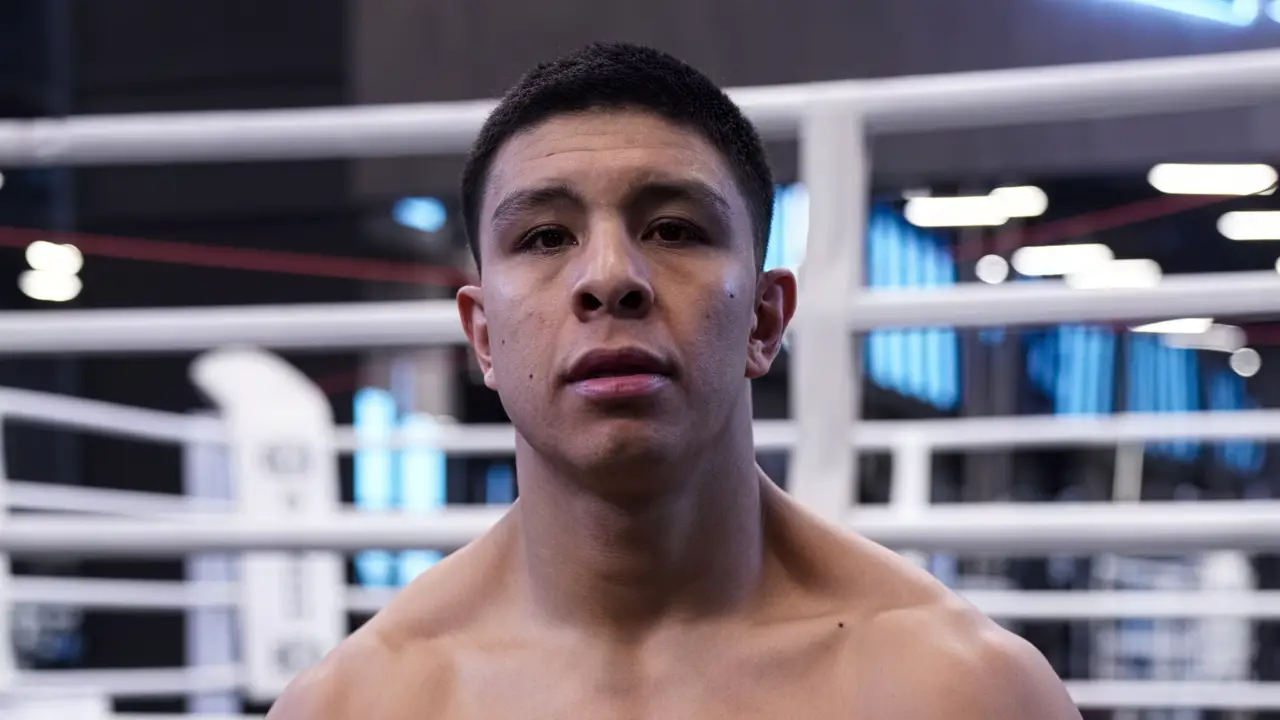
In a developing doping controversy that has sent shockwaves through the boxing world, it has emerged that Jaime Munguia failed a drug test following his May 4 super middleweight victory over Bruno Surace, according to the Voluntary Anti-Doping Association (VADA). Munguia’s A-sample from the post-fight urine test showed evidence of a metabolite linked to exogenous testosterone, indicating a synthetic form of the hormone was present in his system. This adverse finding has cast a significant shadow over the 26-year-old’s comeback win. That triumph came just months after Munguia suffered a stunning knockout loss to Surace in their first meeting last December.
Jaime Munguia’s Career Trajectory Before the Controversy
Prior to this controversy, Jaime Munguia, a native of Tijuana, Mexico, had established himself as one of boxing’s most exciting and promising talents. Born on October 6, 1996, Munguia turned professional in 2013 and quickly amassed an impressive undefeated record. He rose to prominence in May 2018, capturing the WBO junior middleweight title by defeating Sadam Ali. Munguia successfully defended his title five times, showcasing his aggressive, crowd-pleasing style and formidable punching power. After dominating the junior middleweight division, he moved up to middleweight in January 2020, continuing his winning ways. By late 2024, Munguia had transitioned to the super middleweight division, eyeing new challenges and potential world titles. His professional record stood at an impressive 44 wins with no losses, and 33 knockouts, before his first encounter with Surace.
The Fights: A Stinging Upset and Controversial Redemption
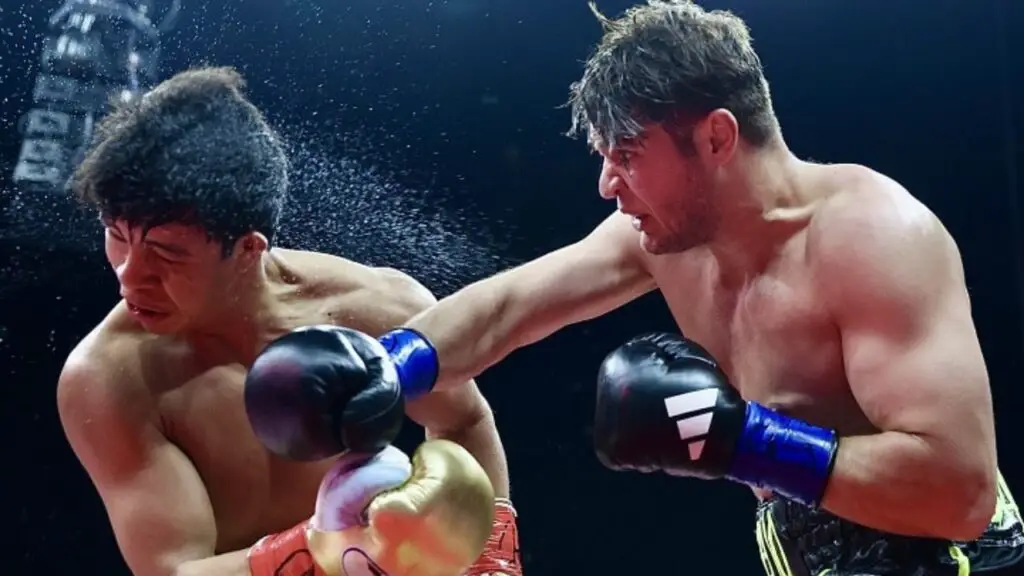
The first bout between Munguia and Bruno Surace, a relatively lesser-known but undefeated French boxer, took place last December. Surace, born July 28, 1998, from Marseille, had built a respectable career, winning the French middleweight title in 2021 and the EBU Silver middleweight championship in December 2023. Known for his technical prowess and resilience, Surace entered the fight with an undefeated record of 26 wins and two draws, though with a modest knockout ratio. He stunned Munguia and the boxing world in their first bout, knocking out the former champion in a sixth-round upset. That outcome was later honoured as The Ring magazine’s 2024 Upset of the Year, given Surace’s underdog status and Munguia’s previously unblemished record. The unexpected loss was a significant setback for Munguia, who had never been defeated or even knocked down in his professional career until that point.
Munguia secured an immediate rematch, eager to avenge the loss and restore his momentum. On May 4, in Riyadh, Saudi Arabia, he did just that, defeating Surace via unanimous decision in a hard-fought contest. The victory was meant to be a triumphant return to form, a clear statement that Munguia was back on track for super middleweight supremacy. However, this hard-fought victory now risks being irrevocably tainted by the doping revelation, casting a long shadow over what was intended to be a career-redefining win.
B-Sample Confirms Adverse Finding; Disciplinary Action Looms
VADA officials confirmed this week that Jaime Munguia’s initial sample returned an adverse analytical finding. Laboratory testing detected a testosterone metabolite of exogenous origin, meaning it was not produced naturally by the athlete’s body. Such a substance is banned in boxing due to its performance-enhancing properties. The sample was collected as part of standard post-fight anti-doping protocols on May 4, and the positive result now puts Munguia’s recent victory under intense scrutiny.
Under anti-doping protocols, Munguia had 10 days from the notice of the adverse finding to request analysis of his B-sample. His team promptly exercised this right, but unfortunately for Munguia, the B-sample, a sealed second portion of the original urine sample, also tested positive for the banned substance, unequivocally confirming the initial result. Following this confirmation, the Saudi Arabian Boxing Federation (SABF), the sanctioning body for the Riyadh event, initiated disciplinary proceedings. While Munguia’s camp has issued a statement denying intentional doping and suggesting potential contamination, the confirmed positive test leaves little room for leniency under strict anti-doping regulations.
Implications for Munguia and the Super Middleweight Division
With the B-sample upholding the positive test, Munguia now faces severe disciplinary action. The SABF, in conjunction with VADA, has announced a provisional suspension, pending a full hearing. It is widely expected that Munguia will receive a suspension ranging from six months to a year, along with a significant fine. More critically, his May 4 unanimous decision victory over Bruno Surace is set to be officially overturned to a No Contest (NC), effectively erasing his redemption win from the record books. This outcome would mean that Surace’s initial upset victory in December remains the only definitive result between the two fighters.
The implications for Munguia’s career are substantial. His reputation, once pristine, has taken a considerable hit, and his path to a world title shot in the super middleweight division will be significantly delayed. This controversy also raises questions about the integrity of the sport and the effectiveness of anti-doping measures. For the super middleweight division, Munguia’s absence will temporarily remove a top contender, potentially opening doors for other fighters. However, the broader concern remains the stain this incident leaves on a sport striving for clean competition. No official comment has yet been made by Munguia or his team regarding the B-sample confirmation or the impending sanctions, but the boxing world awaits their response to this career-altering development.