
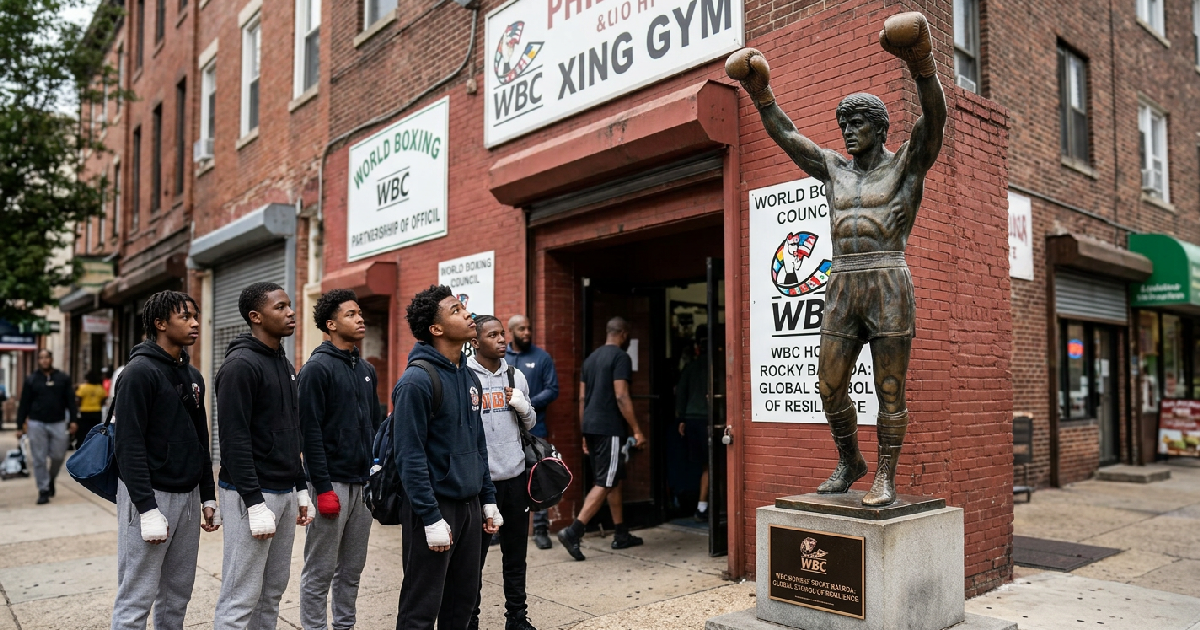
The World Boxing Council (WBC) and President Mauricio Sulaimán have launched a global tribute to the Rocky film franchise, cementing the fictional character Rocky Balboa as a permanent symbol of the sport’s resilience. This recognition honors the cinematic legacy that helped define boxing’s identity for decades, highlighting how the “Italian Stallion” continues to inspire generations of professional pugilists and fans alike.
According to the WBC, the character of Rocky Balboa transcends entertainment to represent the real-world struggles of underdog challengers. The organization has long maintained that the narrative of persistence against overwhelming odds reflects the journey of many world champions. This celebration underscores how a fictional story has become deeply integrated into the WBC’s mission to promote the core values of the sport across the globe.
The connection between the sanctioning body and the film series is famously anchored by the inclusion of creator Sylvester Stallone in the International Boxing Hall of Fame. While the induction of a screenwriter and actor was viewed as an unconventional move at the time, it underscored the role of the franchise in maintaining the sport’s relevance in the mainstream. Today, as the most dangerous boxers dominating the ring in 2026 earn their reputations, the cinematic archetype of the heavyweight hero remains a powerful marketing tool for the industry.
The Cultural Impact of the Heavyweight Underdog
The WBC’s tribute focuses heavily on the concept of human resilience, a trait they believe is best exemplified by Balboa’s refusal to stay down in the ring. President Mauricio Sulaimán has frequently noted that the “Rocky spirit” is visible in the current crop of champions who overcome personal and professional hurdles to claim the green and gold belt. This theme of the comeback is a recurring narrative that resonates with the public and helps humanize the often-brutal nature of prize fighting.
These themes are often discussed when evaluating the careers of modern heavyweights who have faced significant setbacks. For example, when experts like David Price evaluate Tyson Fury’s current form, the conversation frequently centers on the mental and physical toughness required to return to the summit of the sport. The WBC aims to use this tribute to remind audiences that while the movies are scripted, the heart required to compete at the elite level is genuine.
Integration into Modern Boxing Branding
As part of the ongoing celebration, the WBC is expected to integrate tribute segments into its championship broadcasts and regional events. Reports suggest these will include digital retrospectives and the use of franchise-inspired imagery during high-profile fight weeks. The goal is to celebrate the film’s legacy while simultaneously elevating the profiles of active fighters who embody those same qualities of grit and determination.
Aligning with a universally recognized symbol of boxing also serves a strategic purpose in a competitive promotional environment. Legacy organizations are increasingly leaning into their historical prestige as a way to maintain market share. This is particularly evident as Matchroom Boxing and Eddie Hearn block threats from new market entrants by emphasizing the deep-rooted heritage that only long-standing entities can provide.
Before the franchise became a global phenomenon, boxing was frequently portrayed in news media through a lens of controversy or tragedy. The film series helped shift that perception by focusing on an individual’s journey toward self-respect rather than just a win-loss record. The WBC credits this cultural shift with helping the sport navigate various challenges and maintaining its appeal to a broad, international audience.
Legacy in Training and Motivation
The impact of the film series is perhaps most visible in training gyms around the world. The imagery of an underdog training in unconventional environments has become a blueprint for high-performance preparation, reportedly influencing generations of conditioning coaches and amateur boxers. Even in contemporary training camps, the narrative of the lone fighter against the world remains the most potent story in the sport.
The WBC intends for this tribute to be a year-long initiative, ensuring that the values represented by the character remain at the forefront of their promotional efforts. By honoring a fictional icon, the organization seeks to honor the very real spirit of every boxer who steps through the ropes, regardless of the final result on the judges’ scorecards.