
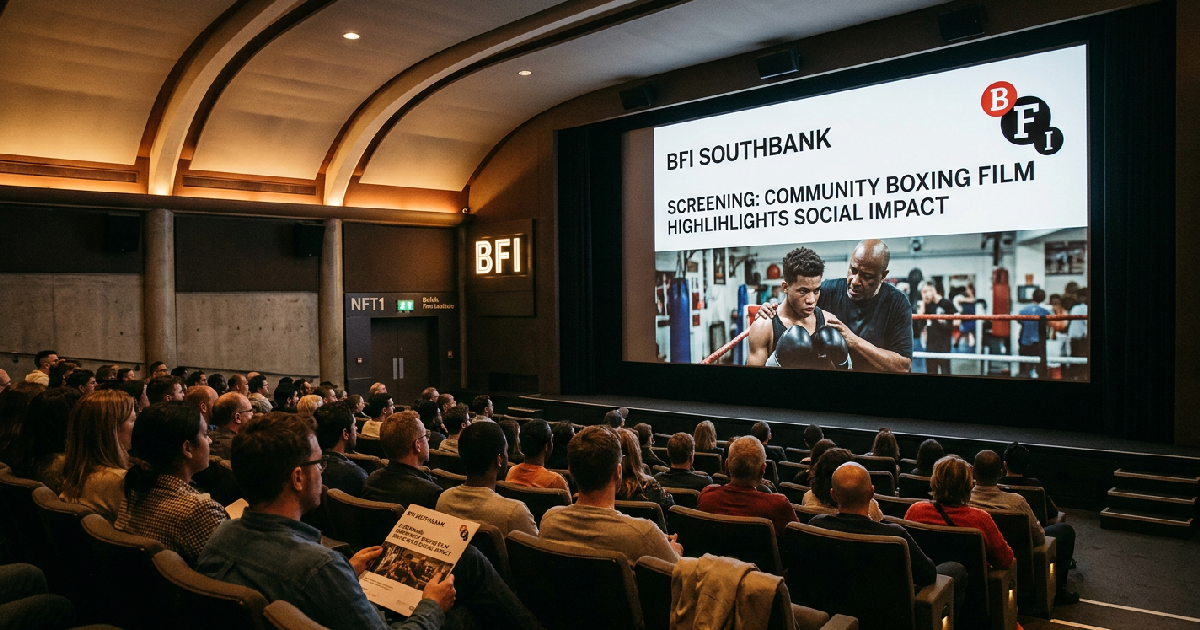
The grit and heavy scent of sweat-soaked leather have long been cinematic staples, but a new documentary premiering at the BFI Southbank is stripping away the Hollywood gloss to reveal the raw, restorative power of the community boxing gym. While the sport is often defined by its multi-million dollar pay-per-views and heavyweight titles, this film focuses on the unsung heroes working in the shadows of the ring.
Beyond the Bright Lights and Big Purses
Boxing is having a moment in the cultural zeitgeist, yet most of the attention remains fixed on the professional circuit. The BFI Southbank screening offers a necessary counter-narrative. The film explores the reality of local clubs—places that serve as de facto youth centers, mental health sanctuaries, and community anchors. In an era where local funding is increasingly scarce, these gyms represent a vital lifeline for at-risk youth and individuals seeking discipline and belonging.
The narrative doesn’t shy away from the sport’s inherent brutality, but it frames that violence within a structure of extreme mutual respect. It captures the unique bond between a coach and a fighter—a relationship that often carries the weight of a surrogate parent. For many of the subjects featured, the gym isn’t just a place to train; it is the only place they feel truly seen or heard.
The Cultural Significance of the Community Gym
The decision by the BFI (British Film Institute) to showcase this project underscores a growing recognition of boxing’s social utility. It’s not just about learning how to throw a jab; it’s about the “sweet science” as a tool for emotional regulation and community cohesion. The film highlights how the sport bridges social divides, bringing together people from vastly different backgrounds under the shared banner of hard work and physical exertion.
And it is timely. As grassroots sports facilities across the country face closure, the film serves as a quiet but firm protest. It argues that losing these spaces would be a catastrophic blow to the social fabric of our cities. The stories told are not of world titles or championship belts, but of personal victories: a teenager staying off the streets, or a veteran finding a way to cope with trauma through the repetitive, meditative rhythm of the heavy bag.
Visual Storytelling in the Ring
Cinematically, the film avoids the frantic, hyper-stylized editing typical of modern sports movies. Instead, it relies on long, observational shots that let the atmosphere of the gym breathe. You can almost feel the humidity and the vibration of the timer. This fly-on-the-wall approach allows the subjects to speak for themselves, avoiding the “talking head” эксперт commentary that often clutters documentaries of this type.
By centering the story on a local London gym, the film creates a sense of intimacy that resonates with the Southbank audience. It’s a reminder that the most significant fights in boxing don’t happen in Las Vegas or Riyadh; they happen every Tuesday night in windowless basements and converted community centers.
What This Means for the Future of Boxing Media
We are seeing a shift in how boxing is documented. Audiences are increasingly hungry for “authentic” stories that go beyond the manufactured drama of press conference brawls. This BFI premiere suggests that there is a significant market for boxing content that prioritizes social impact over commercial spectacle. For the sport to survive and thrive at the grassroots level, it needs this kind of visibility to attract the investment and political will necessary to keep the doors open.
Frequently Asked Questions
Why is community boxing suddenly getting so much attention?
It’s largely a reaction to the extreme commercialization of the professional sport. People are looking for the “soul” of boxing, which has always resided in local gyms. Additionally, there is a growing awareness of how combat sports can help with mental health issues like anxiety and PTSD.
Does the film focus on professional fighters?
Not primarily. While some of the subjects may have aspirations to turn pro, the heart of the film is about amateur boxers and the staff who run the gyms. It’s more about the journey and the community than the professional record.
Where can I see the film after the BFI Southbank screening?
While the BFI Southbank premiere is the high-profile launch, similar documentaries often find their way to streaming platforms or receive limited releases in independent cinemas. Keep an eye on local film festival schedules and community sports channels for further viewing opportunities.