
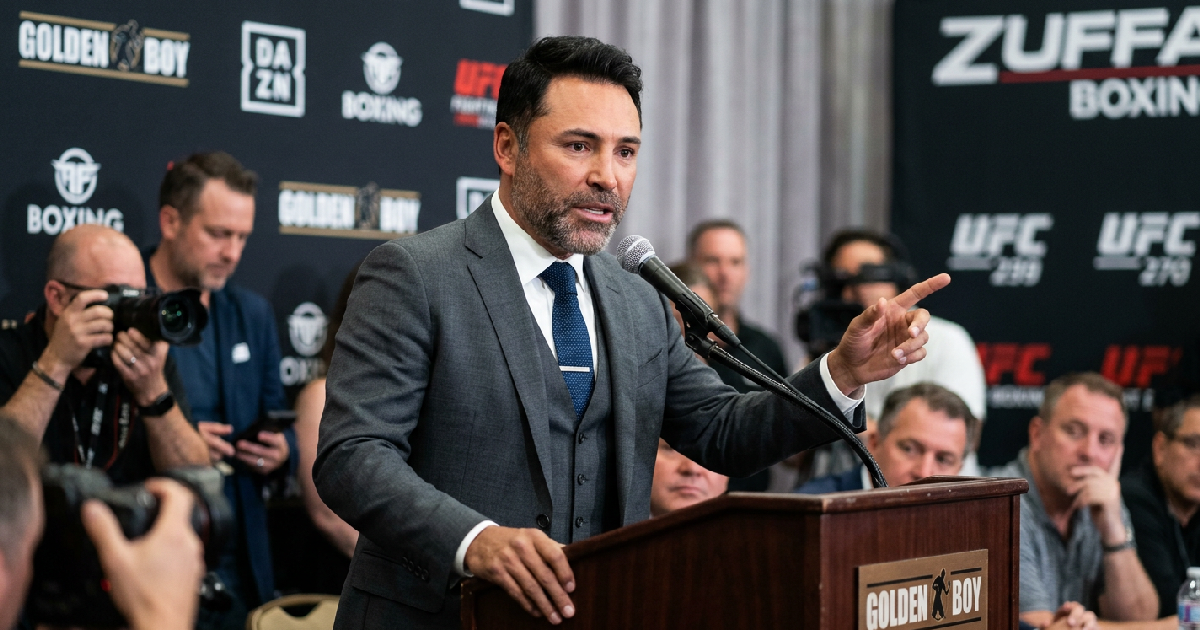
Oscar De La Hoya is rarely one to hold his tongue when a new player enters the promotional space, but his latest comments toward Zuffa Boxing carry a specific weight of historical rivalry. The Golden Boy Promotions chief has issued a public warning to current and aspiring fighters regarding the contractual intricacies of signing with the venture led by Dana White, urging athletes to scrutinize every line of their agreements before putting pen to paper.
The tension between the legendary fighter-turned-promoter and the UFC hierarchy has simmered for years, often spilling over into public sparring matches. However, as Zuffa Boxing begins to solidify its roster and establish a firmer footprint in the sport, the critique has shifted from personal insults to warnings about the fundamental business of prize fighting. De La Hoya’s stance suggests that the entry of an MMA-influenced powerhouse could fundamentally alter how boxers manage their careers.
De La Hoya highlights risks for fighters joining Zuffa
In his recent remarks, De La Hoya pointed toward the “fine print” as the most critical factor for boxers looking at Zuffa contracts. His primary concern appears to be centered on the autonomy of the athlete and the long-term implications of promoter-exclusive deals. Having navigated both sides of the curtain as a world champion and a corporate executive, De La Hoya suggests that the allure of a global brand can sometimes obscure restrictive clauses that may not favor a fighter’s career longevity or earning potential outside a single ecosystem.
This cautionary stance comes at a time when many believe Zuffa is looking to expand its influence. Moves like the recently finalized Zuffa Boxing 05 official fight card have served as a signal to the industry that the organization is moving beyond the planning stages. By attempting to leverage the infrastructure that built the UFC, there are concerns that a level of centralized control could be brought to boxing that De La Hoya argues might be detrimental to the freedom fighters traditionally enjoy.
The divergence of promotional philosophies
The traditional boxing model, while often criticized for being fragmented, allows for high-level negotiation between independent promoters and various television networks. De La Hoya’s warning suggests that a shift toward a more enclosed promotional model—where the organization often holds significant leverage over the athlete’s brand and schedule—could catch boxers off guard if they are used to the old way of doing business.
The competitive nature of the market has already seen talent look toward new opportunities. Figures like Richardson Hitchins and Edgar Berlanga have been linked to the roster, proving that the marketing machine behind the venture is a significant draw. For De La Hoya, the risk is that these fighters may find themselves in a “closed shop” where the cross-promotional mega-fights that define boxing’s history become harder to negotiate if they don’t align with the promoter’s singular vision.
Establishing a new era of heavyweight control
Beyond the lighter weights, the reach of Zuffa is reportedly beginning to touch the glamour division of the sport. There has been persistent speculation regarding how the new entity intends to manage its heavyweights, potentially impacting the established hierarchies of the major sanctioning bodies. With elite names frequently mentioned in relation to potential cards that involve Zuffa’s influence, such as Tyson Fury and Arslanbek Makhmudov, the traditional power brokers are monitoring the situation closely.
De La Hoya’s “buyer beware” message is also viewed by many as a defensive maneuver. By casting doubt on the fairness of these new contracts, he is essentially lobbying to keep the top-tier talent within the established boxing promotional circles. He contends that the transparency in traditional boxing, though far from perfect, is a known quantity compared to the newcomer’s approach, which he characterizes as more restrictive.
The future of promotional competition
The timing of this warning appears calculated. As the upcoming boxing calendar begins to take shape, the battle for the signatures of elite talent is reaching a critical point. The industry is watching to see if Zuffa will adopt the same “champion vs. champion” mandatory logic that has defined the UFC’s success, or if they will be forced to adapt to the more nomadic and independent nature of boxing’s elite stars.
Whether De La Hoya’s warnings are rooted in genuine concern for fighter welfare or represent a tactical strike against a growing rival, they highlight a pivotal moment for the sport. Boxers now face a choice between the historic, yet often chaotic, freedom of traditional promotion and the more structured, brand-heavy environment of Zuffa. According to veteran observers, the impact of these decisions will be felt most in the fine print of the documents being signed right now.