
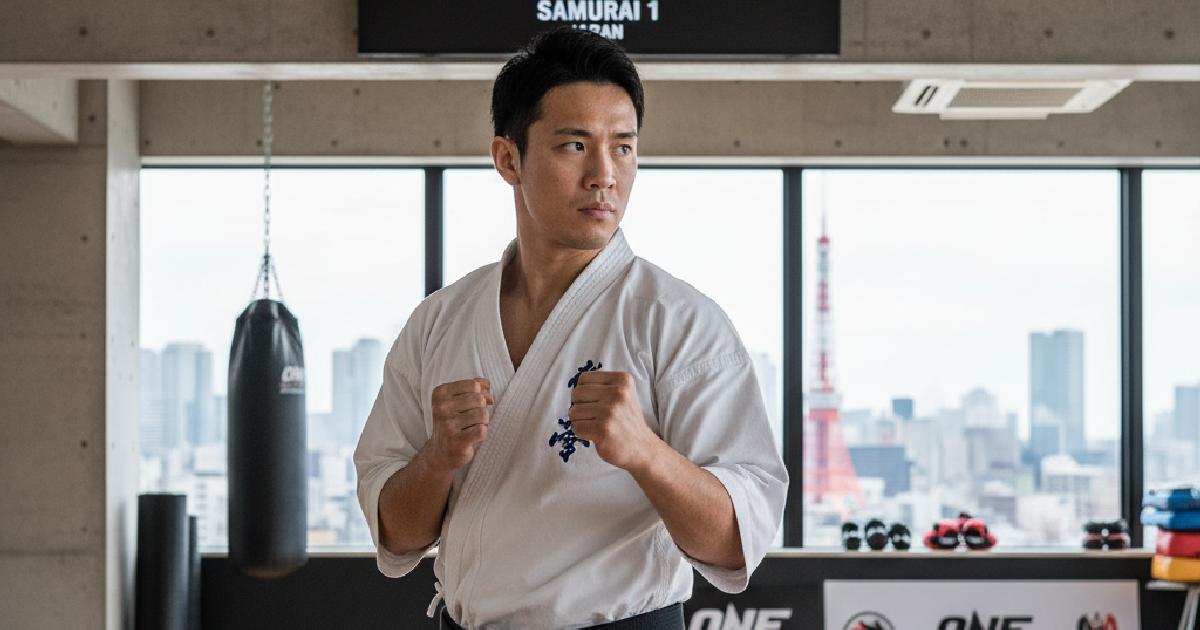
The ONE Samurai 1 fight card is scheduled to take place this week, marking a pivotal moment as ONE Championship expands its presence in the Japanese market. The event showcases a strategic mix of emerging regional talent and established veterans, signaling the promotion’s intent to solidify its standing within Tokyo’s competitive combat sports scene. While the organization is widely recognized for its high-profile mixed martial arts bouts, the inclusion of elite Muay Thai and kickboxing contests on this card highlights the diverse stylistic traditions that define the Samurai series.
This inaugural Samurai installment represents more than just a single night of competition; it serves as a bridge for Japanese athletes looking to climb the international rankings. Local fighters have long sought a consistent platform that offers a direct path to global visibility, and ONE Championship appears to be leveraging this event to fill that void. By focusing on high-paced action and technical striking, the promotion aims to capture the attention of a domestic audience that has historically favored disciplined martial arts displays over standard entertainment-first templates.
The significance of this card extends to the broader business of combat sports in Asia. Following the recent contract security measures seen in other major promotions, ONE is doubling down on its commitment to developmental shows. These events act as a scouting ground, allowing the promotion to identify future champions before they reach the main stage of their primary “Fight Night” or “Century” branded spectacles. For the viewers watching the broadcast, the focus remains on whether these prospects can handle the pressure of the bright lights and the rigorous officiating standards of the organization.
Strategic Implications for the Japanese Combat Market
Tokyo has always been a crown jewel for martial arts organizations, but the landscape is increasingly crowded. ONE Samurai 1 enters this space with a clear objective: to blend traditional martial arts spirit with modern sports presentation. The card features several athletes who have transitioned from the regional circuits to this more polished platform. This transition is often difficult, as the jump in opposition quality can be unforgiving for those not prepared for the international level.
Industry observers are closely watching how this specific series influences fighter recruitment in the region. Much like how promotional titans manage their rosters to block rival interest, ONE is using the Samurai events to lock in top-tier Japanese talent. By providing a steady stream of fights within Japan, they reduce the likelihood of their best prospects being lured away by domestic competitors or Western organizations looking to expand their footprint in the East.
Broadcast Details and Fan Experience
Fans looking to catch the action should note the multi-tiered viewing options available for this card. The promotion has emphasized accessibility, offering streams through their official app and various regional broadcast partners. This digital-first approach ensures that while the event is rooted in Japanese tradition, its reach remains global. The production quality is expected to mirror the high standards set by previous events in the region, featuring polished walkouts and comprehensive analytical deep dives between rounds.
Developing the Next Generation of Strikers
While the heavy hitters often draw the headlines, the lighter weight classes on the ONE Samurai 1 card are where the technical mastery truly shines. These divisions are currently seeing a massive shift in talent as younger, faster athletes begin to displace the old guard. The evolution of training camps, with many Japanese fighters now spending time in Thailand or the United States, is evident in the modernized styles on display. This shift is mirrored in the global scene, where elite strikers are continually redefining what it means to be dominant in the ring or cage.
The focus on technical proficiency reflects a broader trend within the organization to prioritize skill over mere spectacle. By giving these athletes a dedicated stage, the promotion is fostering an environment where technical specialists can thrive. As the event approaches, the pressure is on for these regional standouts to prove they belong among the elite.
Looking Ahead to the Future of the Samurai Series
The outcome of this week’s event will likely dictate the frequency of these specialized cards. If the viewership numbers and live attendance meet expectations, we can expect the “Samurai” branding to become a permanent fixture on the annual calendar. This would provide a much-needed sense of structure for fighters who have previously struggled with inconsistent scheduling in the regional scene. For now, the focus remains on the immediate results and which athletes will leverage a win into a main-roster appearance later this year.
The development of the Samurai series could also serve as a blueprint for expansion into other markets. By isolating specific regions with tailored events, combat sports promotions can build deeper roots with local fanbases. It is a strategy that requires patience and a significant investment in local scouting, but the potential rewards of discovering the next global superstar are immense. As the first bell rings in Tokyo, the combat sports world will be watching to see if this new chapter for ONE Championship resonates with the local public.