
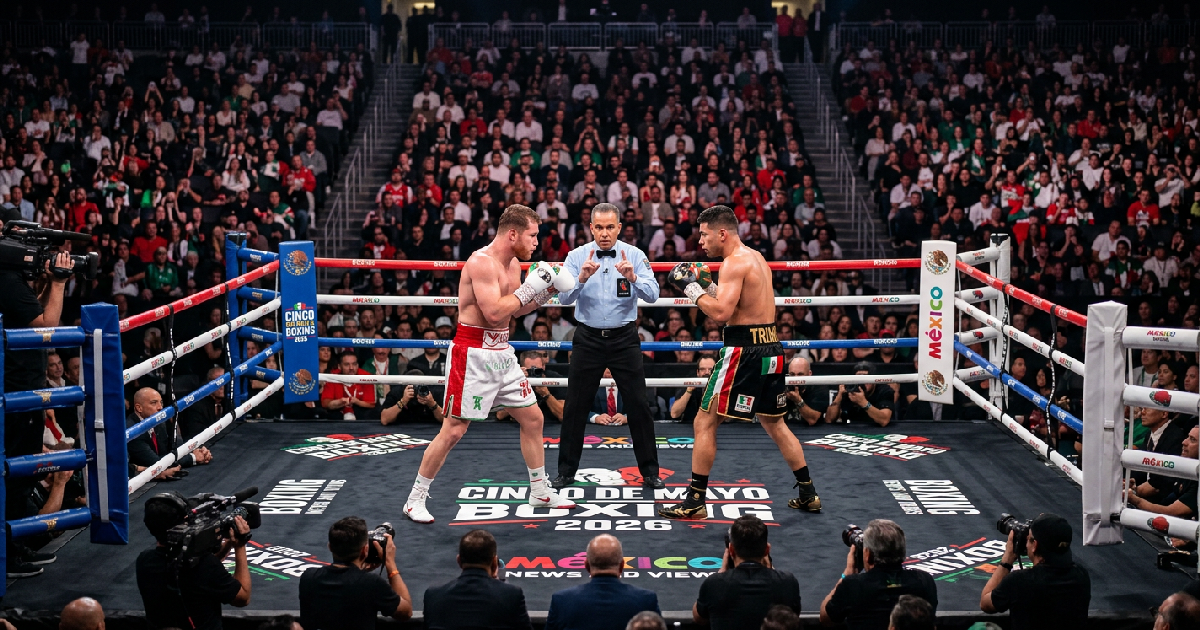
The heavyweight and middleweight landscapes are shifting following a high-stakes series of matchups traditionally centered around the early May holiday window. While official attendance and final pay-per-view tallies are still being finalized by major promoters, early indicators from industry insiders suggest that this year’s slate of bouts marks a significant moment for the sport’s most bankable stars. The focus has largely remained on maintaining the historical tradition of hosting high-caliber, competitive matchups that define divisional hierarchies for the rest of the year.
Historically, this period belongs to the biggest names in the sport, and current reports indicate that major hubs like Las Vegas and Los Angeles served as the primary stages for these recent performances. From established veterans defending their legacies to rising contenders seeking to build their global brands, the recent schedule provided a comprehensive look at the current hierarchy within the sweet science. In an era where top dangerous boxers are increasingly selective about their outings, this time of year remains a non-negotiable fixture on the global boxing calendar.
Champions and Contenders Define the Competitive Landscape
The lead-up to the recent festivities was reportedly marked by intense negotiation and tactical maneuvering between the sport’s biggest promotional houses. Reports indicate that the primary focus was on ensuring that the headlining acts stayed true to the “event” feel that fans have come to expect. While some speculated that the rise of international investment in boxing might dilute traditional boxing dates in the United States, recent activity suggests that these windows remain the premier destination for major cross-divisional clashes.
A major subplot of the current season involved the ongoing movement of talent across weight classes. Several fighters have used the big stage to signal their intentions to move up or down in weight, a trend that is becoming more common as athletes look to maximize their earning potential in a crowded market. This tactical shifting is similar to how Munguia weighed middleweight return options previously, highlighting the constant evolution of fighter careers at the elite level. Recent analysis suggests that the middleweight and super middleweight divisions will continue to be the primary beneficiaries of this talent movement as champions look for fresh challenges.
The Impact of Strategy and Conditioning
Technical proficiency was at the forefront of recent anticipated bouts. Analysts noted that the level of preparation for top-tier competitors seems to have reached a new peak, perhaps influenced by the increasing use of advanced data and recovery technologies in modern training camps. This was reportedly evident in the late rounds of several key matchups, where conditioning often became the deciding factor in close scorecard battles that could have gone either way.
In various training circles, there has been a notable shift toward relocating camps to optimize performance. For instance, looking at how Darius Fulghum relocated his training camp to Los Angeles, it is clear that many recently successful fighters followed a similar blueprint. They frequently seek out specific trainers and environments to sharpen their skills for the spotlight. The results in the ring often reflect these meticulous preparations, with a trend toward superior technicians prevailing over the course of twelve rounds through disciplined execution.
Future Matchmaking and Promotional Fallout
With the latest round of high-profile fights concluded, the attention of the boxing world is expected to shift toward the latter half of the schedule. Promoters are reportedly beginning the process of matching winners, a task that is often complicated by mandatory sanctioning body obligations and the personal preferences of the fighters involved. Recent results have cleared the path for several potential “super-fights” that could be finalized in the coming months.
However, the recent schedule was not without its administrative hurdles. Behind the scenes, the influence of sanctioning bodies continues to be a point of contention for both fans and promoters. The friction between unified champions and the organizations that oversee their belts remains a bottleneck for making the most requested fights. These tensions sometimes spill over into public feuds, reminding observers of ongoing political friction within the sport. Navigating these waters will be the primary challenge for matchmakers throughout the summer months as they attempt to satisfy both network partners and sanctioning requirements.
Commercial Trajectory and Global Reach
Preliminary reports suggest that recent boxing events have seen strong commercial performance. Streaming platforms and traditional pay-per-view providers are expected to show robust numbers, driven by a diverse audience that spans North America, Europe, and Asia. The global nature of the sport was on full display, with undercards featuring talent from across the globe, ensuring the events remained a worldwide celebration of boxing rather than just a regional one.
What follows for the victors?
For those who emerged successful, the path forward is expected to involve unification bouts and larger purses. Several titleholders have used recent media appearances to call out rivals in adjacent weight classes, signaling a desire for undisputed status. Conversely, many of those who suffered setbacks remain in high demand, as their recognizable names and resilient performances ensured they would remain viable options for high-profile recovery fights later in the year. Industry watchers expect several of these athletes to return to the ring before the end of the current calendar year.