
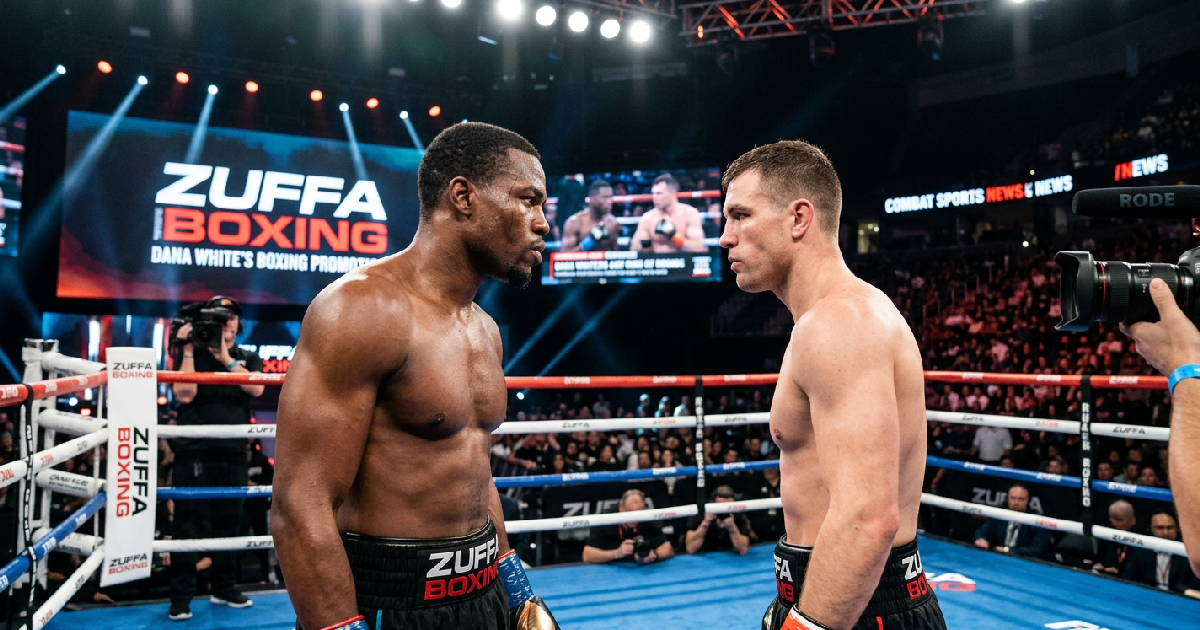
Zuffa Boxing 6 concluded its latest event under the guidance of Dana White and his promotional team, showcasing a series of bouts that highlight the organization’s attempt to bridge the gap between mixed martial arts presentation and traditional pugilism. The card, which took place as the latest installment of the Zuffa-branded boxing series, featured a mix of prospects and established names looking to secure their standing in an increasingly crowded market for combat sports viewership. While specific scorecards were not the focus of the early fallout, the event served as a major indicator of how the Ultimate Fighting Championship (UFC) leadership intends to compete with established boxing giants.
The emergence of Zuffa into the boxing sector has been a long-gestating project. For enthusiasts who have followed the Matchroom Boxing efforts to block Zuffa from gaining further ground, this sixth event represents a tangible escalation in the promotional wars. It isn’t just about individual wins and losses in the ring; it is about the production style, the pacing of the card, and the demographic of the audience that the Las Vegas-based company is managing to capture.
Production and Pacing Shift the Boxing Model
One of the most discussed aspects of the Zuffa Boxing 6 show was the departure from the typical marathon-length boxing broadcast. Following the blueprint established by their MMA counterparts, the organizers kept the undercard moving with minimal downtime between fights. This “all-action’’ approach is clearly designed to appeal to a younger audience that often finds the slow buildup of major championship cards tedious.
The fighters on display maintained a high work rate, which several observers noted as a hallmark of the matchmaking strategy employed for this series. By selecting athletes known for aggression rather than defensive purity, the promotion is leaning into a “fan-friendly’’ style that prioritizes excitement over technical chess matches. This strategy aligns with the broader goals of the company to differentiate its “product’’ from the traditional world championship boards.
Prospect Progress and Development
Several emerging names utilized the platform to build their professional resumes. While the event lacked the high-level world title stakes of a major pay-per-view, it provided much-needed exposure for fighters who are currently on the fringe of the global top dangerous boxers lists. These developmental cards are becoming the new proving grounds for talent that might otherwise languish on the regional circuit.
Wait times between significant bouts were notably shorter than what is seen in traditional Matchroom or Top Rank events. This efficiency has become a talking point among fans who transitioned from watching the UFC to following Zuffa’s boxing ventures. The focus remains squarely on the brand as much as the individual athletes, a tactic that has served Dana White well in other arenas.
Impact on the Professional Boxing Landscape
The ripple effects of these events are being felt throughout the industry. Promoters can no longer ignore the logistical advantages that a Zuffa-backed show offers. From more streamlined weigh-ins to integrated digital marketing across MMA platforms, the crossover potential is significant. This recent show proved that the company is refining its rhythm, moving away from experimental status toward a more permanent fixture on the calendar.
But the competition remains fierce. Other stables are also making moves to secure talent and venues, as seen with fighters like Dalton Smith and his long-term Matchroom extension. The boxing world is witnessing a real-time battle for the hearts and minds of combat sports fans, with Zuffa Boxing 6 acting as the latest salvo in that conflict.
Future Direction for the Series
Looking ahead, the question for Zuffa is how they will integrate larger championship fights into this format. While the sixth event succeeded in maintaining energy, the long-term viability of the brand will likely depend on its ability to sign or develop a homegrown star. For now, the focus appears to remain on building a consistent, reliable live broadcast that draws a steady number of viewers regardless of who is topping the bill.
And as the promotional machine turns toward the next installment, the industry is watching closely to see if the matchmaking becomes more ambitious. The crossover between the boxing and MMA fanbases is still the ultimate prize, and Zuffa is currently the only entity with the infrastructure to target both simultaneously in a meaningful way.
Frequently Asked Questions
What is Zuffa Boxing?
Zuffa Boxing is a promotional venture led by the owners of the UFC. It aims to apply the production techniques, marketing strategies, and fast-paced event structures of mixed martial arts to the sport of professional boxing.
How does Zuffa Boxing differ from traditional boxing promotions?
The primary differences lie in the event pacing and broadcast style. Zuffa events typically feature shorter gaps between fights and use a centralized branding strategy where the promotion is emphasized just as heavily as the individual fighters on the card.
Will UFC fighters eventually compete in Zuffa Boxing?
While the promotion primarily features professional boxers, there has been constant speculation about crossover matches. Current leadership has indicated an interest in facilitating high-profile bouts for athletes who have the skills to compete in both disciplines.