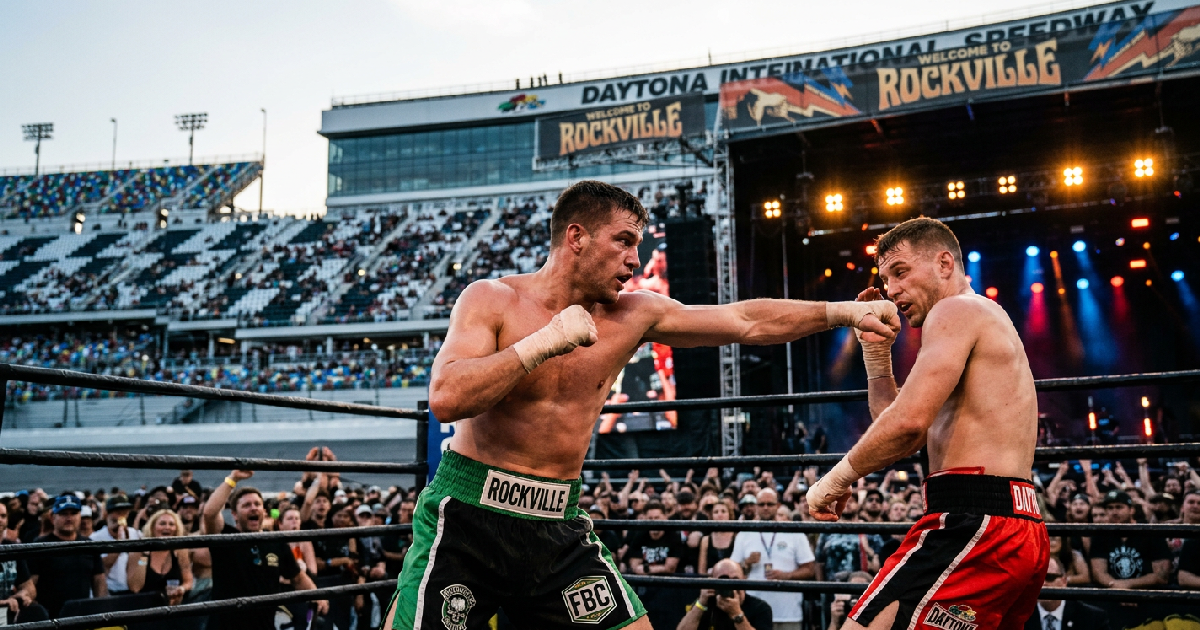
The Daytona International Speedway is set to host a series of professional bare-knuckle fighting matches as part of the Welcome to Rockville festival in Daytona Beach. These bouts, which feature athletes competing without traditional boxing gloves, are being integrated into the multi-day rock and metal event to provide a crossover entertainment experience. By blending high-intensity combat sports with a massive music festival, organizers are attempting to capture a demographic that overlaps between hard rock fans and fight enthusiasts.
This integration represents a tactical shift for bare-knuckle fighting, which has historically occupied a niche space within the broader combat sports industry. By setting up a ring at one of the country’s most prominent music festivals, promoters are positioning the sport in front of an audience that may not typically seek out fight cards. The matches are expected to occur throughout the festival, allowing the athletes to showcase their skills to a crowd that often reaches into the tens of thousands.
While the “sweet science” usually rewards defensive movement and endurance over long durations, the bare-knuckle format is often described as a more visceral display of athleticism. The high-energy environment of a music festival fits the fast-paced nature of these matches. For those tracking the evolution of the sport, it is clear that many participants exhibit the same durability found in the most dangerous boxers currently active in the traditional professional ranks.
Operational Realities of Festival Combat
Staging professional fights in the middle of a massive music festival introduces logistical variables rarely seen in standard arena settings. Fighters must deal with external noise from nearby stages, varying weather conditions, and an atmosphere that is far less controlled than a typical gym. These factors demand a specific type of mental focus, as the traditional silence of a fighter’s walkout is replaced by the roar of a festival crowd.
Promoters are increasingly using these “lifestyle” events to expand their market reach without relying solely on the traditional pay-per-view model. This method allows for a more organic introduction of the sport to casual viewers. This approach to growth and community visibility mirrors other efforts in the sport, such as the Vernon Clark Invitational, which has focused on highlighting talent through specialized, engagement-focused events.
Regulatory Oversight and Athlete Safety in Florida
Bare-knuckle fighting in Florida operates as a sanctioned professional sport under the governance of state authorities. The Florida State Boxing Commission is tasked with overseeing these events, ensuring that medical protocols are in place and that the matches meet competitive standards. While the style of fighting naturally leads to a higher frequency of surface-level lacerations due to the lack of padding, officials work to maintain a regulated environment to separate these bouts from unsanctioned street fighting.
The athletes scheduled for the Rockville event must undergo medical screenings similar to those required for professional boxing or mixed martial arts. These precautions include physical examinations and evaluations both before and after they enter the ring. The goal of the commission is to ensure that even within a festive atmosphere, the matches remain a disciplined sporting endeavor with professional medical staff on standby.
Market Trends and Competitive Strategy
The expansion of combat sports into the festival circuit comes as traditional boxing promoters seek new ways to maintain their market share. The industry is currently navigated by major players who are constantly adjusting their strategies to handle competition from emerging sports conglomerates. We have seen this recently with Matchroom Boxing and Eddie Hearn, as they work to secure their position against shifting global interests in the fight game.
For the fighters, these festival-based cards represent an opportunity for a payout in front of a unique set of spectators. The rosters for such events often include former professional boxers and MMA veterans who have moved into the bare-knuckle space later in their careers. The format offers them a different physical challenge and a platform that might not be available within the rigid structures of the major boxing sanctioning bodies.
Long-Term Impact on Event Programming
If the matches at Daytona International Speedway are received well by the festival-goers, it could signal a more permanent merger between the music and combat industries. This “eventized” programming keeps attendees engaged for longer periods and adds perceived value to a general admission ticket. Many in the industry believe this trend could eventually extend to other major festivals as promoters look to innovate and differentiate their offerings in a crowded summer schedule.
The success of this experiment will depend on how the Rockville audience responds to the gritty reality of the sport. While music fans are accustomed to the intensity of a mosh pit, watching professional combat in person is a different experience entirely. Whether this remains a specialized attraction or becomes a standard feature of the American festival circuit will likely be decided by the logistics and safety record of events like this one in Daytona.