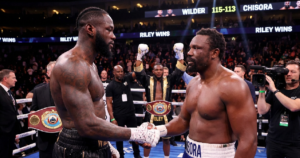
The “Bronze Bomber” has found his way back into the win column, but it required walking through fire. In a grueling 12-round encounter that many expected to end in a clinical knockout, Deontay Wilder instead relied on grit and a late-round surge to edge out a defiant Derek Chisora via split decision.
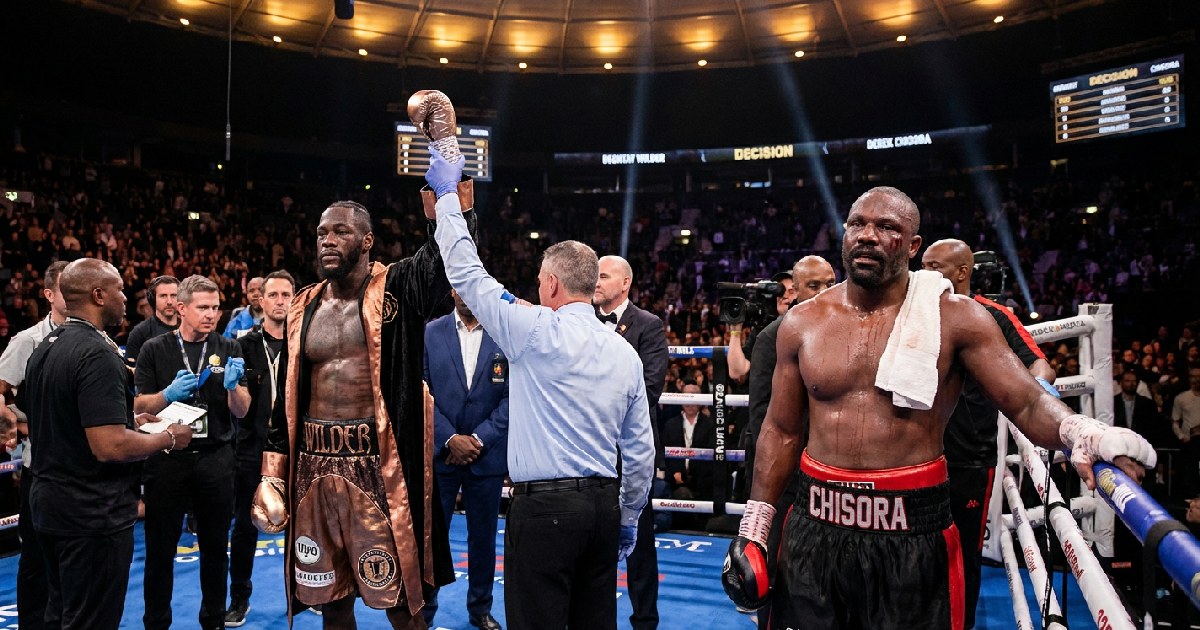
The bout, which lived up to its billing as a “war,” saw both heavyweights trade momentum in a see-saw battle that left the judging panel divided. While one judge saw the contest for Chisora, the remaining two favored Wilder’s higher activity and the damage dealt by his trademark right hand in the championship rounds. It was a performance that answered questions about Wilder’s chin but raised others about his tactical consistency at this stage of his career.
Heavyweight Stalwarts Trade Blows in Grudge Match
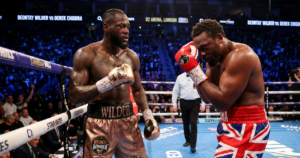
From the opening bell, Derek Chisora defied the oddsmakers who viewed him as a sacrificial lamb for Wilder’s comeback trail. The Londoner employed a relentless “war” style, smothering Wilder’s range and forcing the former WBC champion to fight off his back foot. For much of the first half of the fight, Chisora succeeded in making the contest ugly, landing heavy hooks to the body and disrupting Wilder’s rhythm.
Wilder, known for his one-punch erasure of opponents, struggled early to find the timing for his straight right. However, as the rounds progressed into the deep water, the fatigue began to show on Chisora’s 42-year-old frame. Wilder started to find his home for the jab, using it to set up punishing combinations that visibly staggered Chisora in the tenth and eleventh rounds.
The final three minutes were a microcosm of the entire fight: Chisora lunging with winging overhands while Wilder looked to land the definitive blow. Neither found the vintage knockout, but the high-volume exchange in the closing seconds likely tipped the scales in the American’s favor on two of the three official scorecards.
Evaluating the Split Decision Verdict
The announcement of a split decision was met with a mix of cheers and whistles from the crowd. Those scoring for Chisora pointed to his aggression and the way he dictated the pace for the first six rounds. He frequently trapped Wilder against the ropes, landing thudding shots that seemed to momentarily daze the Alabama native.
But the story of the fight from a scoring perspective was Wilder’s efficiency in the latter half. Boxing is often a game of “what have you done for me lately,” and Wilder’s dominance in the scoring categories of clean punching and ring generalship through the final four rounds proved decisive. He didn’t just survive the pressure; he eventually timed it.
For Wilder, this wasn’t the highlight-reel knockout fans have come to expect. It was, however, a display of professional survival. He showed he could win a hard-fought decision against a durable opponent who refused to go away, a narrative shift for a fighter often criticized for having a “puncher’s chance” and little else.
Legacy and the Road Ahead for Both Fighters
Where this leaves the heavyweight division is now the primary topic of conversation among fans and pundits. Wilder needed this win to remain a viable name for the elite tier of the division. While he didn’t look like the invincible force of 2018, his name still carries enough weight to facilitate a massive payday against other top contenders who are currently circling for title opportunities.
And then there is Chisora. Despite the loss, “War” Chisora proved yet again that he is the ultimate litmus test in the heavyweight category. His ability to push a former world champion to the brink of defeat suggests he isn’t quite ready to hang up the gloves, though his team will likely face pressure to consider his long-term health after such a taxing 36 minutes of combat.
The heavyweight landscape remains congested. With various sanctioning bodies moving toward mandatory defenses, a Wilder-Chisora rematch isn’t out of the question, though it is more likely that Wilder will look to leverage this victory into a final run at a world title shot before the year is out.
Frequently Asked Questions
Was there a knockdown in the Wilder vs Chisora fight?
No, there were no official knockdowns during the 12 rounds. While both fighters were visibly wobbled at various points—Chisora in the late rounds and Wilder in the middle rounds—both remained on their feet throughout the duration of the contest.
Who did the judges score the fight for?
The fight was a split decision. Two judges scored the bout in favor of Deontay Wilder, while the third judge scored it for Derek Chisora. The narrow margins reflected how competitive the early and middle rounds were before Wilder took control late.
What is next for Deontay Wilder after this win?
Wilder will likely look to target a high-profile opponent in the top five of the heavyweight rankings. Given his status, names like Anthony Joshua or Joseph Parker remain frequently discussed targets, depending on how the remaining 2026 calendar takes shape.