Dmitry Yuryevich Bivol’s team has turned down a monumental offer for a third fight against rival Artur Asilbekovich Beterbiev, a proposal confirmed by International Boxing Association (IBA) President Umar Kremlev. This rejected offer was reportedly worth twice what Bivol earned in their previous two encounters, putting the anticipated light-heavyweight trilogy in significant doubt.
The decision emerges as Bivol also faces a pressing deadline from the World Boxing Organization (WBO) to negotiate a mandatory defense against Callum Smith. This clash of obligations could further complicate the immediate future of the undisputed light-heavyweight championship and push any Bivol-Beterbiev rubber match further down the line.
IBA president reveals Bivol team’s surprising refusal
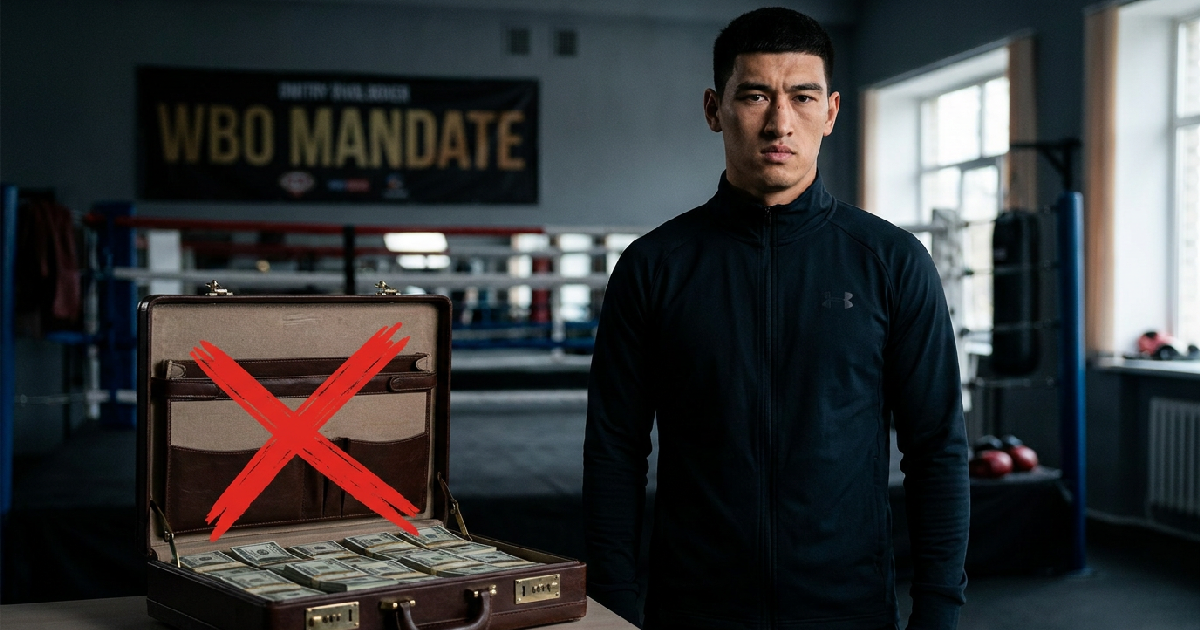
IBA President Umar Kremlev publicly stated that despite a “considerably bigger” financial package, Dmitry Bivol‘s representatives opted against the third bout. Speaking to The Ring, Kremlev disclosed that the offer presented to Bivol for the proposed trilogy was specifically “two times a bigger offer than in previous fights.”
Kremlev also highlighted Artur Beterbiev’s strong desire for the matchup, claiming Beterbiev expressed a willingness to “fight for free just to make this fight happen.” This stark contrast in enthusiasm between the two camps could indicate differing priorities for the fighters’ teams.
The substantial rejected offer for the trilogy
The financial implications of Dmitry Bivol’s decision are considerable. Bivol reportedly earned a guaranteed $10 million for each of his two previous fights against Artur Beterbiev, making his total earnings from those encounters $20 million.
Therefore, the rejected offer, stated to be “twice as much,” would amount to a staggering $40 million. Such a lucrative deal being declined suggests Bivol’s team might be exploring alternative opportunities they believe are even more advantageous, or that other factors outweigh the financial incentive.
WBO mandatory challenge complicates immediate plans
Adding another layer of complexity to the light-heavyweight division, the WBO recently ordered Dmitry Bivol to begin negotiations for a mandatory defense. His challenger is Callum Smith, and both sides have until July 26 to finalize an agreement for this bout.
If Bivol proceeds with the mandated fight against Smith, it would almost certainly postpone the Beterbiev trilogy. This puts significant pressure on Bivol’s team to weigh the financial benefits of a third Beterbiev fight against the immediate obligations of his championship reign.
Bivol’s recent championship path and strategic choices
Dmitry Bivol’s journey to becoming the undisputed light-heavyweight champion hasn’t been straightforward. He secured the undisputed title after defeating Artur Beterbiev by majority decision in February 2025, a victory that avenged his lone professional defeat.
Following this unification win, Bivol vacated the WBC title rather than face mandatory challenger David Benavidez. He then underwent back surgery before returning to the ring in May, securing a unanimous decision win over Michael Eifert. These moves illustrate a fighter carefully managing his career and health.
Artur Beterbiev’s unwavering desire for a third bout
Artur Beterbiev’s camp maintains a strong desire for the trilogy fight. Kremlev’s comments about Beterbiev’s willingness to “fight for free” underscore this commitment, which stems from the intense rivalry and competitive nature of their two previous encounters.
For Beterbiev, another shot at Bivol represents not just a chance to regain titles, but to settle a personal and professional score. If the trilogy doesn’t happen soon, Beterbiev is expected to take another bout to stay active and ready for future challenges. His camp is keen to resume the rivalry.
Future implications for the light-heavyweight division
The fact that Dmitry Bivol rejected such a significant offer, coupled with the WBO’s mandatory order, creates uncertainty for the light-heavyweight division. The highly anticipated trilogy now seems less likely to materialize in the immediate future, leaving fans and analysts to speculate on Bivol’s next move.
Should Bivol proceed with the Callum Smith fight, the Beterbiev trilogy would likely be pushed into late 2026 or even 2027. This delay could impact the dynamic of the rivalry, with both fighters aging and potentially taking other bouts in the interim. For fans, it means a longer wait for a definitive conclusion to one of boxing’s most compelling rivalries.
Navigating the complex economics of top boxing deals
The economics of high-stakes boxing matches are notoriously complex, with fighter purses negotiated down to the smallest detail. When a champion like Dmitry Bivol rejects an offer that’s double his previous substantial earnings, it sends a clear signal about his team’s perceived market value.
They might believe an even larger payday awaits, perhaps from a different promoter or opponent. The decision could also be a tactic to secure better terms beyond just the base purse, such as higher percentages of pay-per-view revenue or control over fight locations. These financial dynamics often dictate the pace of championship boxing.
What this actually means for fans
For boxing enthusiasts, the news that Dmitry Bivol has rejected a major offer for the trilogy fight is undoubtedly disappointing. The two previous clashes with Artur Beterbiev delivered intense action and captivating drama, creating a strong demand for a rubber match that now appears indefinitely postponed.
Fans will be watching closely to see how Bivol’s mandatory negotiations with Callum Smith unfold, especially with the July 26 deadline fast approaching. The outcome of those talks will dictate the immediate future of the undisputed champion and whether the eagerly anticipated Bivol-Beterbiev trilogy can ever be revived.
Kremlev’s words suggest Bivol’s team is actively exploring other avenues, leaving this iconic rivalry in question for now.
The immediate consequence is that one of the sport’s most compelling matchups remains on hold, leaving the light-heavyweight picture less clear. It’s a stark reminder that in professional boxing, contractual obligations and strategic career planning often take precedence over fan demand.