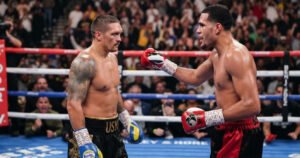
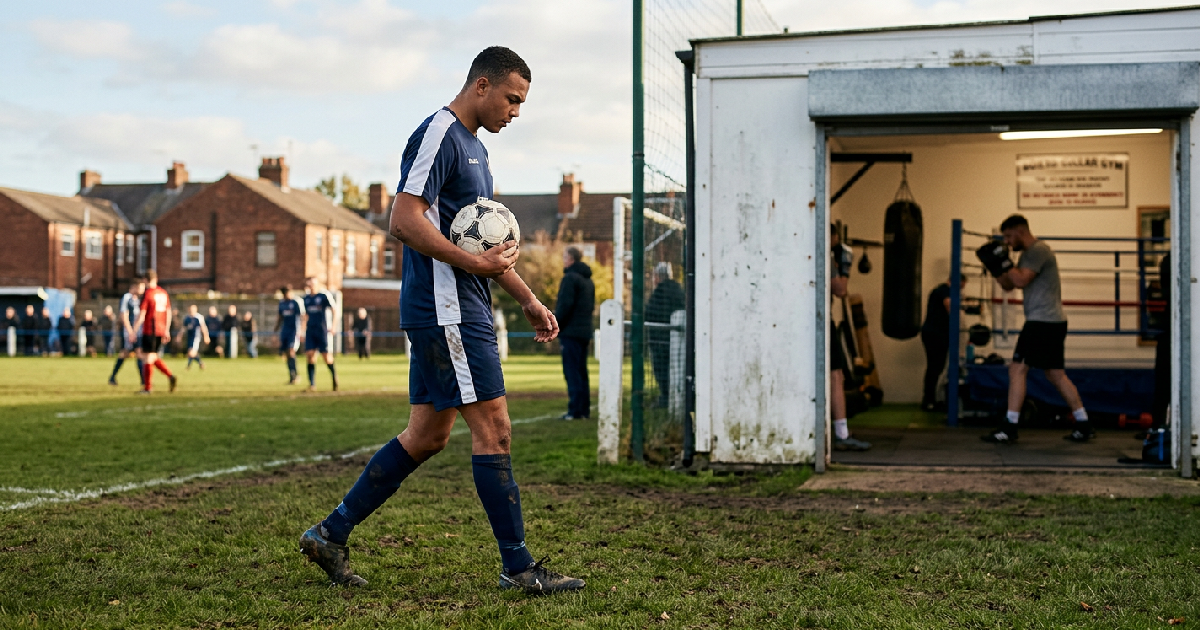
Fabio Wardley has ascended through the heavyweight ranks following an unconventional path, reportedly tracing his interest in the ring back to a frustrated moment on a local football pitch. The heavyweight contender has previously spoken about how being substituted during a grassroots football match as a teenager served as a catalyst for his move into combat sports. This pivot eventually led him to bypass the traditional amateur boxing circuit entirely, culminating in a professional career where he has reportedly pursued some of the most prestigious honours on the domestic and international circuit.
The story of the Ipswich-born fighter underscores a rare trajectory in the modern pugilistic landscape. While many top-tier heavyweights spend years honing their craft in amateur gyms or Olympic development programs, Fabio Wardley opted for the white-collar boxing scene before turning professional. This decision reportedly stemmed from a desire for individual accountability—something he felt was lacking during his time as a young footballer. By removing the team element, he placed the burden of success and failure entirely on his own shoulders.
His rise coincides with a period of high stakes in the weight class. Many observers now consider him among the most dangerous boxers active today, specifically noting his natural power and athleticism. His ability to navigate the professional ranks without an extensive amateur background has challenged long-standing assumptions about how heavyweight talent should be developed in the United Kingdom.
The Football Substitution That Changed Wardley’s Career
The pivot from the pitch to the ring reportedly happened during what seemed like a routine Sunday league fixture. After being pulled from the game by his manager, the future contender experienced a level of frustration that the collective nature of football could not satisfy. He reportedly realized that he no longer wanted his success to be dictated by a coach’s decision or a teammate’s performance, seeking a sport where he was the only variable in the equation.
This pursuit of autonomy led him to a local boxing gym, not necessarily with the immediate intention of becoming a world-ranked professional, but simply to test his mettle in a one-on-one environment. The transition was immediate and effective. Unlike his time in football, the boxing ring offered immediate feedback; if he worked harder than his opponent, the results were undeniable. This mentality has stayed with him as he graduated from small-hall shows to headlining major arenas.
Bypassing the Amateur System for Professional Success
One of the most distinct aspects of the Fabio Wardley story is his lack of an amateur record. In a sport where the amateur championships are usually a prerequisite for domestic success, he took a different route. By competing in white-collar bouts, he developed a style that was more suited to the professional ranks—reportedly prioritizing damage and durability over the point-scoring focus of the amateur era.
This unorthodox background has occasionally led to him being underestimated by rivals who come from elite amateur pedigrees. However, his career progression is often cited alongside other major domestic developments, such as Dalton Smith’s long-term commitment to the professional ranks, as evidence of the strength of the current British scene. He has shown a consistent ability to overcome opponents who were more highly decorated as teenagers.
The Heavyweight Mental Shift
Wardley has often described the ring as a place where individual effort is the only thing that matters. This psychological preference for individual sports is common among elite fighters, but for the Ipswich man, it remains tethered to that original teenage slight on the football field. He reportedly views every training camp as a way to ensure he is never in a position where someone else can “substitute” him out of his own success.
His technical evolution has also been notable. Under the guidance of his coaching team, he has refined his style into something more clinical. While he still possesses the power to end fights early, his recent outings have shown an increased ring IQ and an ability to manage the pace of long-distance championship contests often seen at the top level of the sport.
Future Targets and the Domestic Heavyweight Scene
The road ahead for Fabio Wardley involves high-profile defences and a continued push toward the top of the global rankings. As a heavyweight who is still relatively young for the division, he finds himself in a strong position. The domestic landscape is currently crowded with talent, and fans have long clamored for matchups that test the traditionalists against “renegade” paths like his own.
While some analysts look toward veteran stars for the next big fight, many are keeping a close watch on the younger generation. For instance, Moses Itauma’s rapid rise represents another branch of the heavyweight tree, setting the stage for potential future collisions between the division’s rising powers. Whether it is a mandatory defence or a major domestic clash, the British heavyweight remains a focal point of the weight class.
Ultimately, the story of a disgruntled teen footballer becoming a heavyweight standout serves as a reminder that the path to the top is rarely linear. As he continues to headline major events, that Sunday league substitution feels less like a setback and more like the essential spark for a professional career.
Frequently Asked Questions
Did Fabio Wardley have any amateur boxing fights?
According to reports, he has no official amateur boxing record. He began his journey in the white-collar boxing scene before transitioning directly into the professional ranks, bypassing the traditional Olympic-style development stages.
What weight class does Fabio Wardley compete in?
He competes in the heavyweight division. In this category, he has reportedly pursued and held major domestic honours, establishing himself as one of the most prominent big men currently active in the United Kingdom.
Why did Fabio Wardley quit playing football?
Reports indicate that the fighter became frustrated with the team aspect of football. Specifically, being substituted during a match as a teenager reportedly made him realize he wanted to participate in a sport where he was solely responsible for his own results.