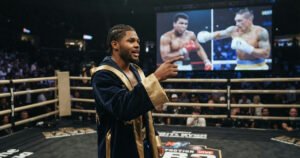
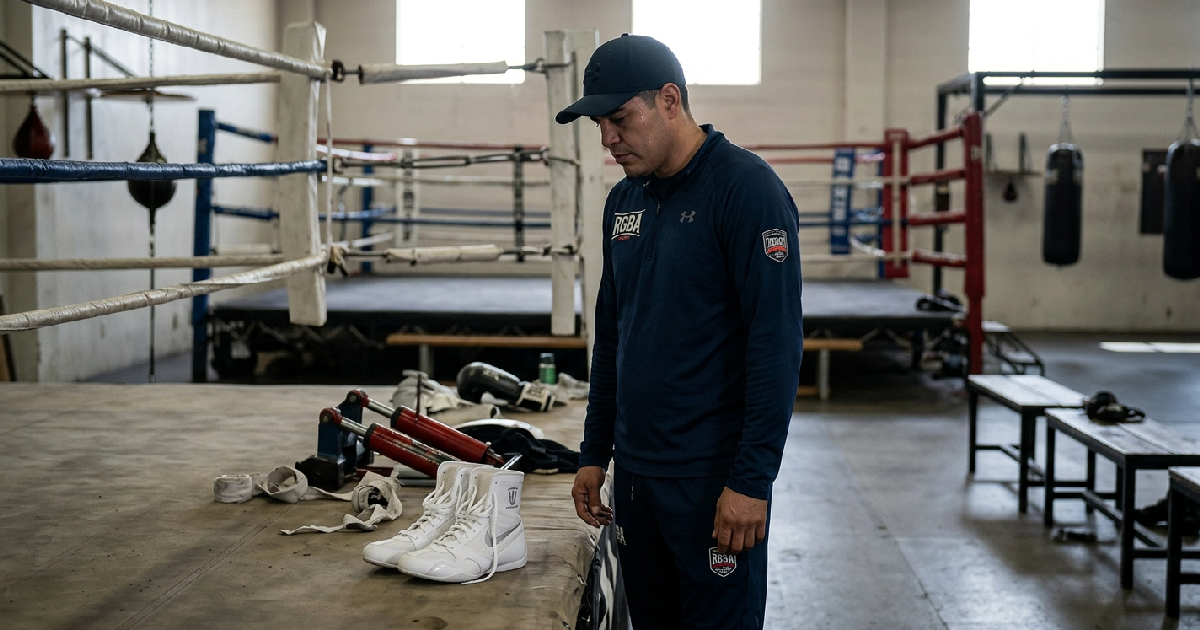
Trainer Robert Garcia has publicly questioned the motives behind Richardson Hitchins’ withdrawal from a scheduled bout against Oscar Duarte, suggesting the American fighter was intimidated by the Mexican’s punching power. According to reports from a recent media interview, Garcia alleged that Richardson Hitchins sought out information regarding Oscar Duarte from various industry sources before their planned encounter was scrapped.
The matchup, which was set to take place in Las Vegas, was reportedly canceled on short notice due to an illness within the Hitchins camp. While the official explanation cited medical issues as the primary cause for the withdrawal, Robert Garcia joined a growing number of skeptics who believe the decision was more psychological than physical. He claimed the late withdrawal served as an exit for a fighter who was not ready to face the heavy-handed nature of his opponent.
Analysis of Pre-Fight Anxiety and Alleged Inquiries
According to Robert Garcia, the signs of hesitation were present long before the fighters were due to step into the ring. He indicated that he had heard through boxing circles that Richardson Hitchins was making inquiries to outside trainers and former opponents of Oscar Duarte. These inquiries were reportedly focused on the force of Duarte’s punches and tactical advice on how to handle his aggressive style.
In the high-stakes world of elite pugilism, such moves are often interpreted as a lack of self-belief. Garcia argued that when a contender begins soliciting advice from a rival’s past foes regarding their power, it suggests a level of apprehension that can be detrimental to a fighter’s performance. This scrutiny arrives at a time when the sport is evaluating its elite talent, with some figures like Dalton Smith securing long-term futures through decisive action rather than hesitation.
The trainer emphasized that if one of his own athletes were found to be seeking reassurance from external sources about an opponent’s physical threat, he would consider it a significant red flag. But in the modern era of the sport, managing a fighter’s reputation is as much about psychological warfare as it is about physical training.
Disputing the Official Medical Explanation
Robert Garcia also raised questions regarding the technical aspects of the reported illness. He suggested that the physical appearance and behavior of the fighter during the formal weigh-in proceedings did not align with the severe symptoms later described by the camp. Garcia noted that athletes suffering from the type of distress reported typically show visible signs of dehydration or weakness, which he claims were absent in this case.
This skepticism is not limited to the Garcia camp. Other figures in the boxing world, including O’Shaquie Foster, have reportedly echoed these concerns, suggesting that a pattern of behavior is beginning to affect how Richardson Hitchins is viewed by his peers. As fighters like Scrappy Ramirez navigate patient paths toward their own championship goals, the pressure on Hitchins to prove his resolve has intensified.
The fallout from the canceled bout has left a mark on the super lightweight landscape. While the Richardson Hitchins team continues to stand by their medical claims, the prevailing narrative among some experts is that the fighter missed a crucial opportunity to silence his critics. The boxing community is now looking for a firm return date to see if the contender can rebuild his standing among the most dangerous boxers in the world today.
Future Implications for the Super Lightweight Division
The controversy surrounding the Duarte fight has created a hurdle for Richardson Hitchins as he seeks to move toward a world title shot. Critics argue that avoiding a puncher of Oscar Duarte’s caliber could lead to a loss of momentum in a division that is currently stacked with aggressive talent. Robert Garcia remains firm in his belief that the tactical questions Hitchins allegedly asked were a “smoking gun” regarding his mental state.
For Robert Garcia, the psychological battle was lost before the fighters reached the venue. He maintains that the inquiries made to Duarte’s former opponents revealed a fighter who was already second-guessing his own ability to withstand the pressure. Whether these allegations are a fair assessment or merely part of the sport’s characteristic bluster remains a point of heated debate.
So, the onus now falls on Richardson Hitchins to prove his detractors wrong in his next outing. The narrative of “ducking” an opponent is one of the most difficult labels for a professional boxer to shed. Only a dominant performance against a similar style of opponent will likely put these rumors to rest and restore his reputation as a fearless contender.
Frequently Asked Questions
What was the official reason for the Richardson Hitchins vs. Oscar Duarte cancellation?
The official reason provided by the Richardson Hitchins camp was a sudden illness that reportedly occurred shortly after the weigh-in. According to reports, the fighter suffered from physical distress that made it impossible for him to compete in the scheduled Las Vegas match.
Why is Robert Garcia questioning the legitimacy of the illness?
Robert Garcia alleges that Richardson Hitchins withdrew because he feared Oscar Duarte’s power rather than being genuinely ill. Garcia claims to have information that Hitchins was contacting other trainers and Duarte’s former opponents to ask about his punching strength and how to survive the fight.
How does this affect Richardson Hitchins’ reputation in boxing?
The incident has led to divided opinions within the boxing community. While his team maintains the illness was real, critics and other fighters have used the cancellation to question Hitchins’ toughness and willingness to face high-risk opponents. He will likely need to face a formidable puncher in his next fight to address these claims.