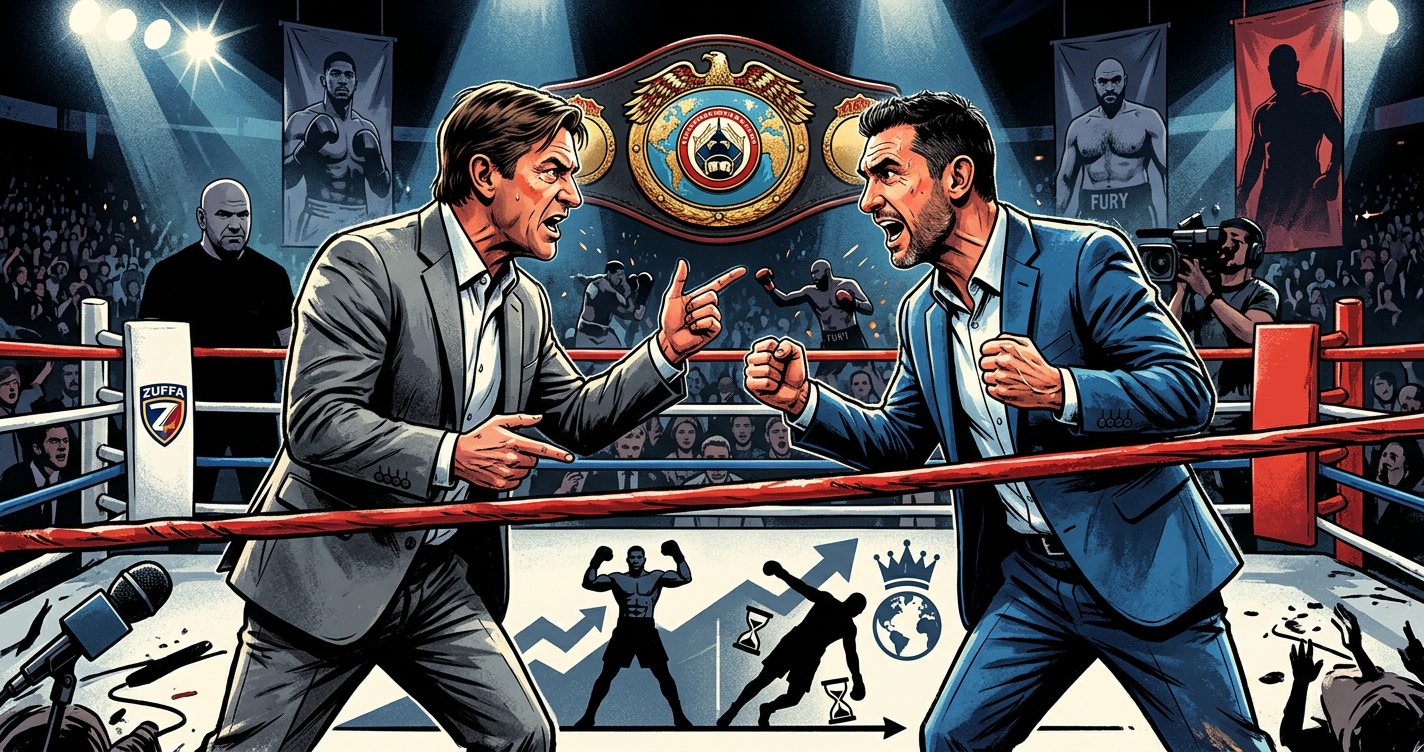
The intersection of heavyweight boxing and traditional football punditry flared up again this morning as Simon Jordan and Martin Keown clashed over the future of the sport’s biggest names. On a morning where official fight dates for the second half of 2026 are being finalized, the conversation turned sharply toward the inactivity of the division’s top tier and the looming presence of cross-sport ventures.
Jordan, never one to mince words regarding the business of the ring, challenged the current scheduling trends that have seen elite fighters like Tyson Fury and Anthony Joshua pivot toward singular, massive paydays rather than consistent defensive runs. The debate, hosted by Jim White, underscored a growing frustration among fans and broadcasters alike: the difficulty in getting the best to fight the best without years of posturing.
Heavyweight Stagnation and the Joshua Factor
While the heavyweight division technically remains the flagship of the sport, the pace of negotiations has slowed to a crawl. Anthony Joshua has recently been the subject of intense speculation regarding a potential third fight with Dillian Whyte, an idea that has been met with mixed reviews. Joshua’s camp, however, has effectively closed the door on that narrative for the immediate future.
According to recent reports, Anthony Joshua dismisses talk of Dillian Whyte summer rematch, choosing instead to focus on a path that leads back to world title contention. This decision reflects a broader shift in the division where veterans are becoming increasingly selective about their “stay-busy” fights. Martin Keown argued that this selectivity hurts the sport’s momentum, while Jordan maintained that the commercial reality of 2026 makes these high-risk, low-reward domestic scraps nearly impossible to sanction.
The Influence of MMA and New Promotion Models
The conversation also touched upon the changing guard of boxing promotion. With the UFC’s leadership looking to expand their footprint, the traditional power structures of boxing are under pressure. Dana White has been vocal about his intentions to fix what he perceives as a broken system in the “sweet science.”
The looming launch of Zuffa Boxing represents a potential shift in how fights are made and broadcast. Simon Jordan suggested that the entry of a promotion with the UFC’s distributive power could force the hands of promoters who have spent years protecting their “0” at the expense of the fans. It isn’t just a matter of ego; it’s a matter of market share as younger audiences gravitate toward the more consistent scheduling of MMA.
Fading Stars and the Road to Retirement
A recurring theme in this morning’s discussion was the perceived decline of the “Big Three” in the heavyweight category. Malik Scott, the trainer for Deontay Wilder, has recently provided a blunt assessment of the landscape. Scott’s analysis suggests that we are witnessing the final chapters for several legends who have defined the last decade of the sport.
As covered in recent ringside reports, Malik Scott evaluates Wilder’s potential comeback while noting a visible decline in the speed and reflexes of Tyson Fury. These assessments aren’t just locker-room talk; they impact the betting lines and the willingness of networks to invest eight-figure sums in aging champions. If the titans of the division are indeed fading, the urgency to make the undisputed fights becomes even more pressing before their commercial value drops off a cliff.
Looking Toward a Resorganized Future
The takeaway from this morning’s discourse is that boxing is at a crossroads. Between the rise of influencer-led spectacles and the entry of MMA giants into the boxing market, the status quo is no longer sustainable. Whether it’s David Benavidez looking for a defining clash with Canelo Alvarez or the Heavyweight kings trying to secure their legacies, the window for these fights is closing.
The sport’s survival as a mainstream powerhouse likely depends on more transparent matchmaking and a reduction in the “alphabet soup” of sanctioning bodies. Until then, the arguments between pundits like Jordan and Keown will continue to mirror the frustrations of a global fan base waiting for the next great era to truly begin.
Frequently Asked Questions
Why is Anthony Joshua avoiding the Dillian Whyte rematch?
Joshua’s team appears to be prioritizing a direct route back to a world championship. At this stage of his career, a third fight with Whyte is seen as offering very little in terms of professional progression compared to the risks involved.
What is Zuffa Boxing and why does it matter?
Zuffa Boxing is the boxing promotional arm planned by Dana White and the UFC ownership. It matters because it could bring the UFC’s organizational style—where the best regularly fight the best—into the often-fractured world of professional boxing.
Is Tyson Fury actually in decline?
This is a point of heavy debate. While some analysts and fellow trainers like Malik Scott believe his physical attributes are slowing down, Fury’s camp maintains that his ring IQ and experience remain superior to anyone currently in the top ten.