The heavyweight landscape has shifted yet again as news trickles out regarding the next steps for the division’s biggest names. Official confirmations out of London and Riyadh suggest that the bottleneck at the top of the weight class is finally beginning to clear, though not without the usual political maneuvering that fans have come to expect from the sport’s most volatile category.
Negotiations for a potential clash involving Anthony Joshua have taken a concrete turn. Following his recent run of form, the former two-time champion is reportedly eyeing a return to the ring later this year. While many had hoped for an immediate showdown with Deontay Wilder or a trilogy with Oleksandr Usyk, the mandatory obligations of the various sanctioning bodies are forcing a more calculated approach.
Heavyweight Mandatory Blues
The core of the current delay centers on the IBF’s insistence on their mandatory challenger. In an era where “undisputed” is the buzzword on every promoter’s lips, the reality of keeping four belts together is proving nearly impossible. We’ve seen this play out before, but the stakes feel higher now as the aging curve begins to catch up with the current crop of elite heavyweights.
And it’s not just about the belts. The financial backing from the Middle East continues to dictate the pace of these announcements. Reports indicate that representatives from the General Entertainment Authority have been in constant communication with Matchroom and Queensberry to ensure that the next major stadium card aligns with their vision for a massive late-year festival of combat sports.
Joshua and the Path Forward
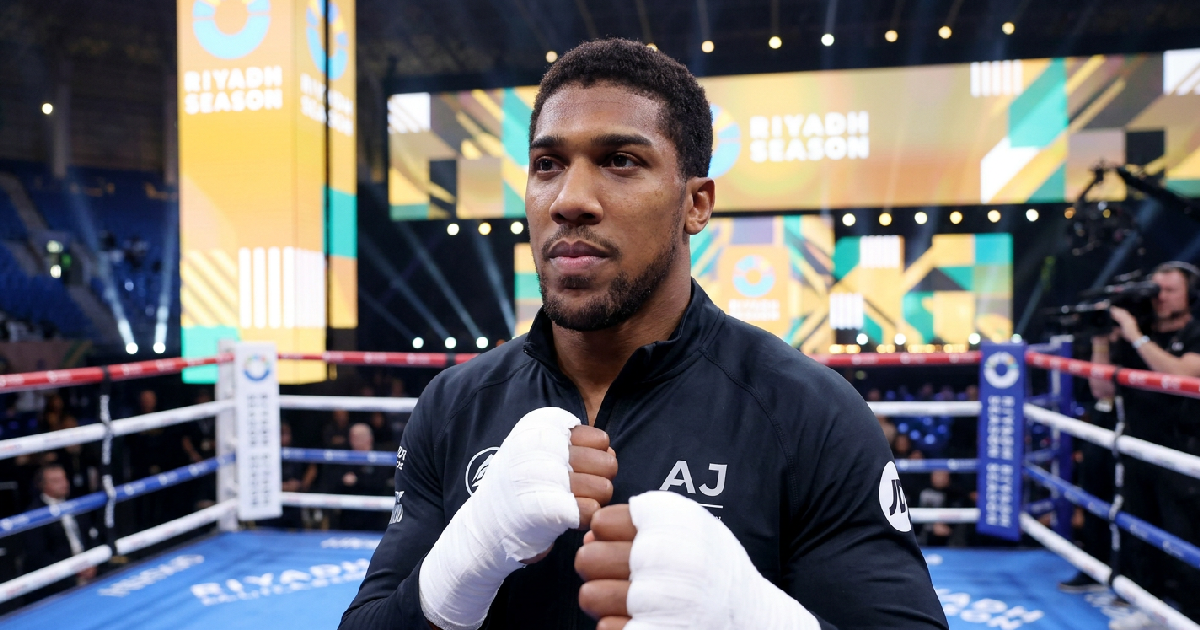
For Anthony Joshua, the directive is clear: stay active. Since his revitalization under Ben Davison, Joshua has looked like a man who has rediscovered his spite. He isn’t just winning; he’s destructive again. But finding an opponent who offers both the necessary risk-to-reward ratio and the approval of the sanctioning bodies is no easy feat.
Names like Filip Hrgovic and Zhilei Zhang continue to circle the periphery. Zhang, in particular, remains a high-risk, high-reward option that would draw massive eyeballs in the Asian market. But the consensus among those close to the Joshua camp is that they want the winner of the upcoming Tyson Fury vs. Oleksandr Usyk rematch, provided the belts aren’t vacated and scattered to the wind before then.
It’s a frustrating game of musical chairs. While the fans want the biggest fights, the business of boxing often requires these interim steps to ensure the eventual “mega-fight” carries the maximum number of titles. We are currently in that holding pattern where the next 48 hours of phone calls will likely define the next six months of the sport.
The Impact of the Saudi Influence
We can’t talk about heavyweight boxing in 2026 without acknowledging that the center of gravity has moved. London and Las Vegas are no longer the primary decision-makers. The “Riyadh Season” model has changed how fighters view their schedules. They are now more willing to wait for the larger purses offered in the Kingdom than to take smaller, legacy-building fights on home soil.
This shift has created a strange vacuum in domestic boxing. While the top tier is thriving financially, the secondary tier of heavyweights is left scrambling for scraps or waiting on the undercards of these massive international events. It’s a boom time for the superstars, but a period of uncertainty for the contenders trying to break into that inner circle.
What to Expect in the Coming Weeks
Expect a series of rapid-fire announcements as the IBF and WBC clarify their positions on mandatory challengers. If the belts are stripped, as many insiders predict, we could see a flurry of activity as Joshua and other top contenders vie for the newly vacant titles. It wouldn’t be the “undisputed” era we were promised, but it might actually lead to more frequent activity for the fighters we want to see.
Frequently Asked Questions
Will Anthony Joshua fight Tyson Fury in 2026?
Everything depends on the results of the Fury-Usyk rematch. If Fury wins, the path to a British “Battle of Britain” becomes the most lucrative option in boxing history. If he loses, the narrative shifts toward Joshua reclaiming his spot at the top against Usyk.
Why do boxing titles get vacated so often?
Sanctioning bodies like the IBF have strict rules about fighting mandatory challengers. Often, the “big” fight the fans want doesn’t involve the mandatory challenger, leading the champion to give up the belt to pursue the bigger payday.
Is the heavyweight division currently “stuck”?
In some ways, yes. Because the top four or five fighters are all aiming for the same two or three dates in Saudi Arabia, the rest of the calendar can feel a bit empty. However, once the current tournament-style cycle completes, the division should open up significantly.
content