
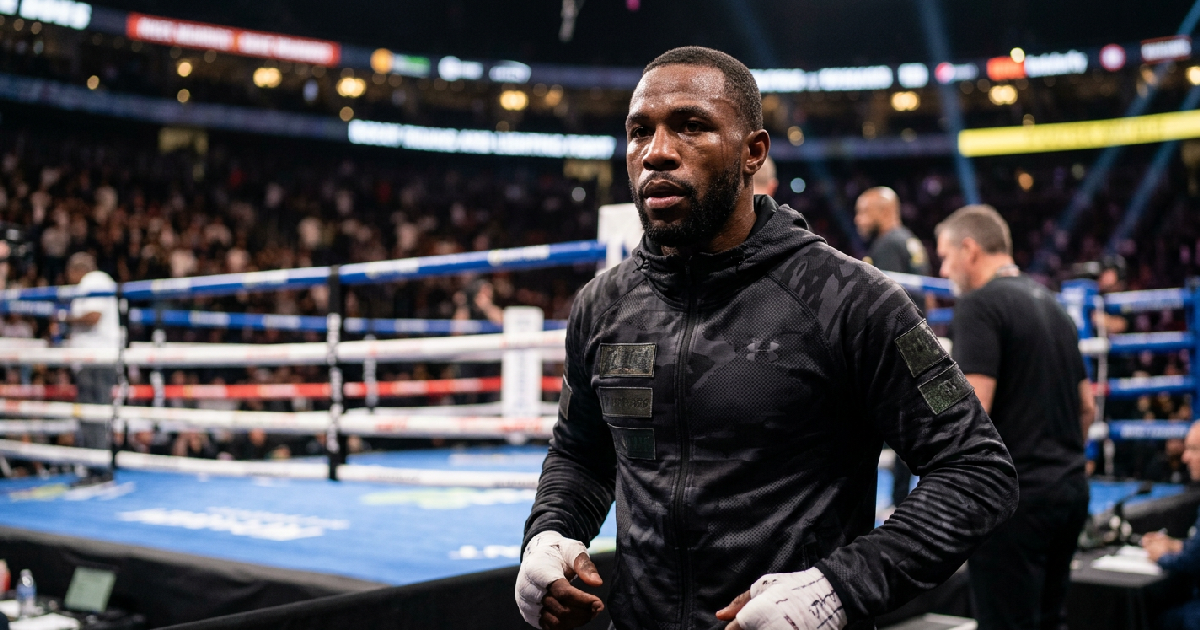
In the high-stakes world of professional boxing, the narrative is often dictated by those who overlook the perceived underdog. Recent developments in and around the ring have once again highlighted the emotional and professional drive that fuels athletes when they are counted out by the masses. For many fighters navigating the tiers of the rankings, the motivation isn’t just a championship belt or a lucrative purse; it’s the burning desire to silence the critics and prove that the collective skepticism was misplaced.
The sentiment of “proving people wrong” has become a recurring theme as the current season progresses. There appears to be a shift where established names are being pushed to their limits by hungry contenders who have spent years in the shadows. This defiance against public perception is currently shaping some of the most compelling storylines in the sport, particularly as recent boxing results and fixtures report instances where challengers have exceeded the expectations of sportsbooks and fans alike.
The Psychological Edge of the Underdog
Boxing is as much a mental game as it is physical. When a fighter enters the ring knowing that many analysts have already projected their professional decline, it creates a unique kind of pressure. For some, this pressure can be stifling. For others, it serves as fuel. This internal drive to rectify a perceived injustice in professional reputation is what often leads to the high-intensity performances that define long-term careers.
There have been numerous reports of fighters, previously regarded as “gatekeepers” or stepping stones, finding a second wind in their careers. These athletes aren’t just fighting an opponent; they are fighting the labels placed upon them by digital media and boxing pundits. By the time the final bell rings, the goal is to have transformed that skepticism into respect. This trend is often observed in the heavier divisions, where a single punch can reportedly validate a fighter’s status as a world-class competitor.
The Weight of the Heavyweight Narrative
The heavyweight division has historically been a primary stage for these redemptive arcs. While the top of the mountain remains crowded with established talent, those positioned just outside the elite circle are making noise. The landscape is currently shaped by a mix of veteran savvy and those with raw, unproven power. As heavyweight rankings shift following major events, the fighters who were previously dismissed are often the ones seeking the most significant upward movement.
It’s not just about securing a victory; it’s about the manner in which it is achieved. A dominant performance against a favored opponent serves as a statement to the sanctioning bodies and the promoters who control the direction of the sport. In the current climate, being the “B-side” of a promotion is often used as a psychological tool, a way for an athlete to ensure the “A-side” faces a much tougher challenge than they perhaps anticipated when the contracts were signed.
Promotional Dynamics and Individual Worth
The business side of boxing can sometimes exacerbate the feeling of being an outsider. Promoters frequently gravitate toward stars with established marketability, sometimes leaving highly skilled but less prominent fighters to navigate their own paths. This has led to a culture where proving professional worth is seen as a necessary step to secure a seat at the table. When a fighter feels the promotional machinery is not in their corner, every win can feel like a personal victory over the system itself.
This dynamic contributes to the inherent volatility of the sport. A single win can reportedly catapult a fighter from relative obscurity to a potential headliner. This demand for respect is manifesting in more aggressive matchmaking across the board. Many fighters are no longer content to wait for opportunities; they are actively seeking the toughest challenges to ensure their merit cannot be questioned. This mindset is visible in the way boxing results and fixtures are impacting the upcoming schedule, with reports indicating a rise in high-risk pairings being discussed during negotiations.
Legacy and the Final Word
Ultimately, the desire to prove the doubters wrong is about legacy. Long after the gloves are hung up, a fighter wants to be remembered as someone who beat the odds. In the gyms where the next generation of contenders is training, the stories of those who were told they couldn’t make it—only to reach the top—are the ones that carry the most weight. Proving people wrong isn’t just a convenient post-fight quote; it remains a fundamental element of the boxing spirit.
As the schedule continues, the focus remains on those individuals who believe they are being overlooked. History suggests that a dangerous fighter is often the one who feels they have everything to prove and nothing left to lose. Whether the critics will eventually learn to stop doubting the resilience of the underdog remains uncertain, but for now, the athletes seem focused on providing the surprises.