
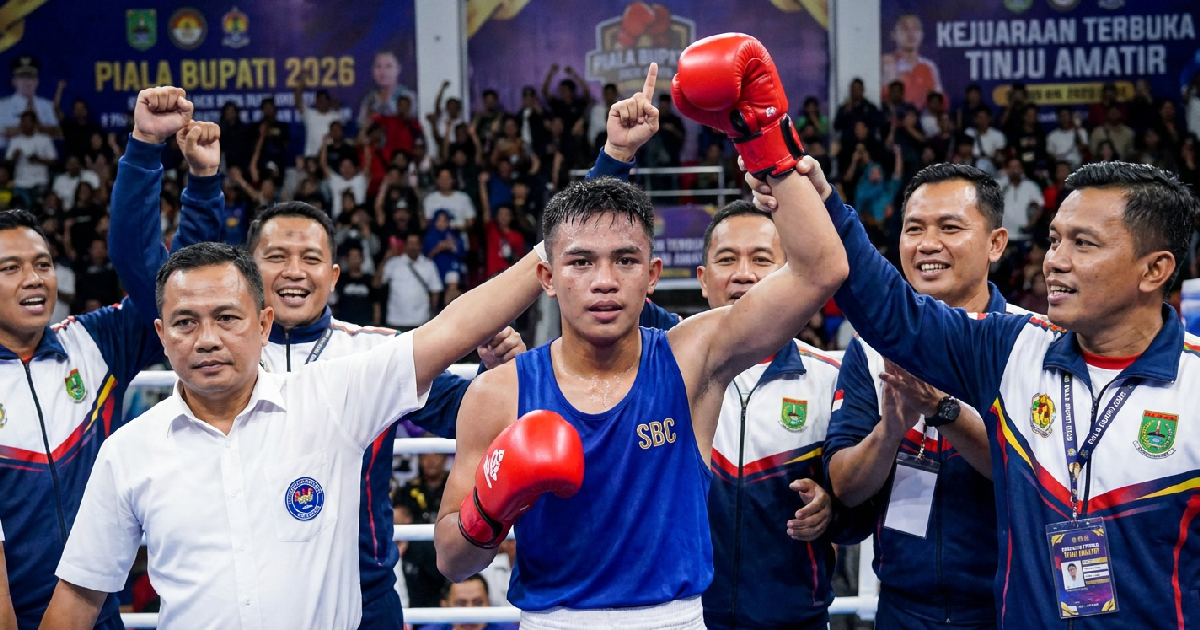
The landscape of amateur boxing continues to provide the essential bedrock for the sport’s future, and the latest Kejuaraan Terbuka Tinju Amatir Piala Bupati has once again highlighted the depth of regional talent. In a tournament defined by tactical discipline and high-energy exchanges, reports indicate that SBC has emerged as a dominant force, reportedly securing a high standing at the summit of the competition through a series of strong performances across multiple weight classes.
Amateur tournaments of this nature serve as the primary scouting ground for professional promotional outfits and national teams. The success of the participating clubs in the Piala Bupati isn’t just a testament to the individual boxers’ grit, but also to the rigorous coaching systems that have evidently outpaced their rivals during this cycle. While professional stars often grab the headlines, the foundations laid in these open amateur championships dictate the quality of the latest boxing results and fixtures across the broader circuit.
Consistency and Development in the Ring
The path to high honors in the Piala Bupati is traditionally built on consistency. Throughout the tournament, representatives from the leading clubs displayed a superior level of technical proficiency, particularly in their ability to manage range and scoring through effective counter-punching. In the amateur format, where volume and clean landing are prioritized by the judges, many of the competing fighters showed a maturity that often seemed beyond their years.
As the sessions progressed, specific clubs began to pull away from the chasing pack, reportedly securing a variety of medal finishes and deep runs into the semi-final stages. This collective effort is what ultimately separates the top-tier regional programs who possess the bench depth to challenge for overall honors. This kind of systemic success is often what precedes a transition to the professional ranks, much like how Hitchins and Berlanga bolstered rosters after their own respective rises through the amateur and developmental systems.
Technical Evolution in the Amateur Ranks
What stayed with observers throughout the tournament was the evolving style of the amateur game. There is a noticeable move away from the “all-out-brawl” mentality that sometimes characterized regional amateur boxing in years past. Instead, the top participants utilized a philosophy focused on defensive responsibility that mirrors the high-level professional ranks. The poise shown by the youth and senior divisions suggests that the coaching standards in these local hubs have seen a significant uptick in quality over the last two years.
Footwork was the defining factor in several of the key bouts. Trainers at the elite amateur level are clearly prioritizing lateral movement, ensuring their fighters rarely stand stationary in the pocket long enough to be caught by heavy-handed but less mobile opponents. This tactical shift is essential for boxers looking to preserve their health while piling up points on the scorecards.
Impact of the Piala Bupati on Regional Prospects
The significance of the Piala Bupati extends beyond just a trophy. For many of these athletes, the tournament represents one of the few opportunities to compete in a high-pressure environment with official officiating and public scrutiny. For those who excel, the tournament often opens doors to national selections and potential sponsorship from local businesses looking to back the next emerging name in the sport.
But with success comes heightened expectations. As the competition cycle continues, other regional clubs will likely be recalibrating their training camps to bridge the gap. This competitive friction is necessary for the health of boxing, ensuring that there is a constant conveyor belt of talent ready to fill the gaps as heavyweight schedules tighten and other weight classes look for fresh blood.
Future Outlook for the Amateur Circuit
As the recent tournament schedules look toward completion, the focus shifts to how these amateur standouts will fare in larger inter-regional competitions. Leading clubs will be expected to guide the charge, likely providing the bulk of the talent for upcoming representative cards. The challenge for the coaches now is to maintain this momentum and ensure that their fighters do not experience the burnout that often affects young athletes after a major run of fixtures.
Local organizers have noted that the success of the recent tournament may lead to increased funding for gymnasium facilities, which would further cement the region’s status as a boxing powerhouse. If developmental programs can maintain their current trajectory, they could become a blueprint for how amateur clubs operate, blending athletic development with the tactical acumen required to win consistently in international-style boxing.