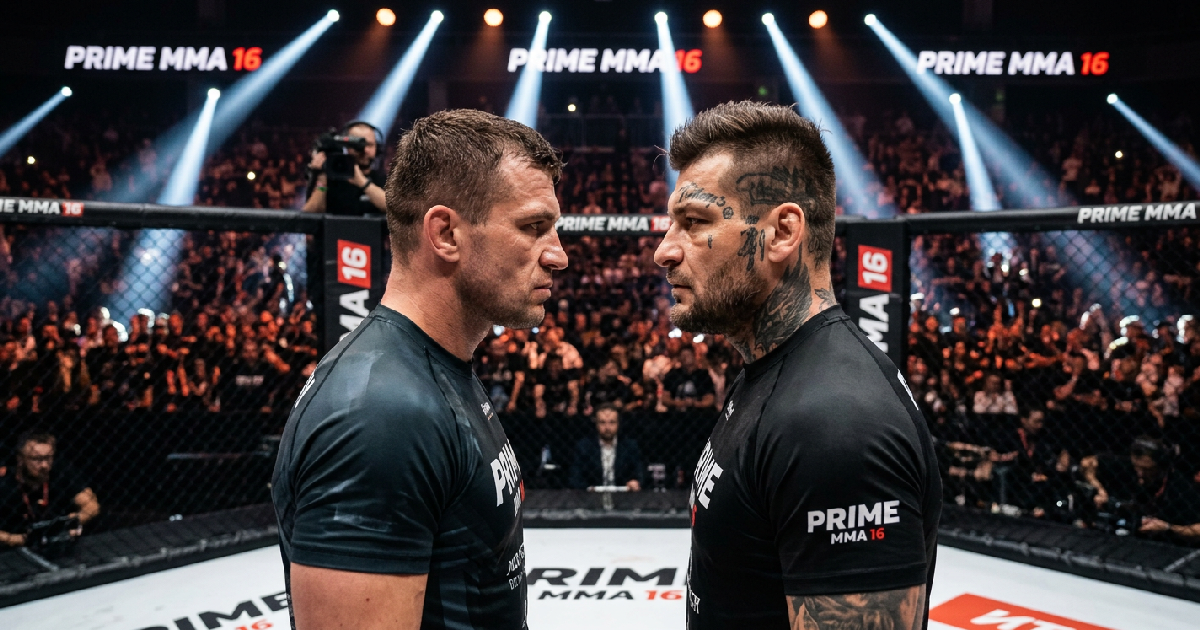
Jacek Muranski and Pawel Mikolajuw, the rapper and fighter widely known as Popek, are reportedly scheduled to meet in a “dirty boxing” match at the upcoming Prime MMA 16 event. The pairing features two of the most recognizable figures in the Polish “freak-fight” subculture, a sector of combat sports that prioritizes personal animosity and celebrity status over traditional athletic rankings. This encounter is expected to serve as a high-profile pursuit of closure for a rivalry that has circulated through social media channels for several months.
The choice of a dirty boxing ruleset has drawn particular attention from observers of the European fighting scene. Unlike regulated professional boxing, this format typically allows for extended engagement during the clinch and more aggressive striking when the fighters are tied up. The inclusion of these rules suggests the promotion is leaning into a style of combat that favors brawling over technical finesse, a move often seen in events designed for maximum entertainment value.
For Mikolajuw, this return to the ring represents another chapter in a career that has spanned music, mainstream mixed martial arts, and now the lucrative world of influencer-led bouts. Muranski has similarly carved out a niche in Poland by participating in high-tension matchups that often generate headlines for their volatile build-ups. While elite pugilists like the most dangerous boxers in 2026 focus on technical mastery, the Prime MMA circuit relies on the raw friction between its participants to drive viewership.
The Growing Appeal of Alternative Combat Rulesets
The rise of unconventional match stipulations reflects a broader shift in how combat sports are marketed to younger audiences. By utilizing a “dirty boxing” format, Prime MMA aims to bridge the gap between heavy-hitting MMA exchanges and the stand-up focus of traditional boxing. This hybrid approach often prevents the frequent referee interventions seen in standard boxing matches, theoretically keeping the action more continuous and chaotic for the live audience.
Fighters in this space often find themselves navigating a different career path than those in the professional ranks. For example, while rising prospects like Dalton Smith secure their future through long-term developmental deals with major promoters, freak-fight competitors like Muranski and Mikolajuw operate on a fight-by-fight basis driven by the intensity of their current grudges. The commercial success of these events continues to challenge traditional notions of what constitutes a professional sporting event.
Physical Factors and Tactical Expectations
While technical analysis in freak fighting is often secondary to the spectacle, physical attributes are expected to play a role in how this bout unfolds. Mikolajuw has historically carried a significant size and reach advantage in his previous outings. However, Muranski is frequently cited for a style of fighting that prioritizes durability and close-range grappling, which may be bolstered by the specific ruleset adopted for Prime MMA 16.
Preparation for such an event involves unique challenges, as the emotional volatility between the two men often spills over into pre-fight media appearances. If the competitors can maintain their focus, the winner may be determined by who best utilizes the clinch to score points or force a stoppage. This level of focus is rare in the influencer circuit, though top-tier fighters like Junto Nakatani emphasize composure as a primary weapon, even in the most intense training environments.
The Economic Influence of Polish Freak Fighting
The Polish combat sports market has become a global leader in the freak-fight phenomenon, with Prime MMA 16 being the latest attempt to capitalize on this trend. By securing household names like Muranski and Mikolajuw, the promotion is reportedly aiming for high pay-per-view returns and continued dominance on social media platforms. The success of such events often outweighs traditional boxing matches in the region in terms of digital engagement.
Critics frequently debate whether these spectacles help or hinder the reputation of combat sports. However, the consistent attendance figures and digital reach suggest that a large portion of the public is less interested in divisional rankings and more focused on the resolution of personal conflicts. As the date for the event approaches, the focus remains on whether the “dirty boxing” experiment will deliver the high-impact concludes that fans of the promotion have come to expect.
Following the conclusion of this bout, the fallout is expected to influence the matchmaking for the next cycle of events. In this industry, the narrative rarely ends with the final bell; instead, the results often serve as the foundation for the next high-profile rivalry, ensuring that the revolving door of celebrity combat continues to turn.