
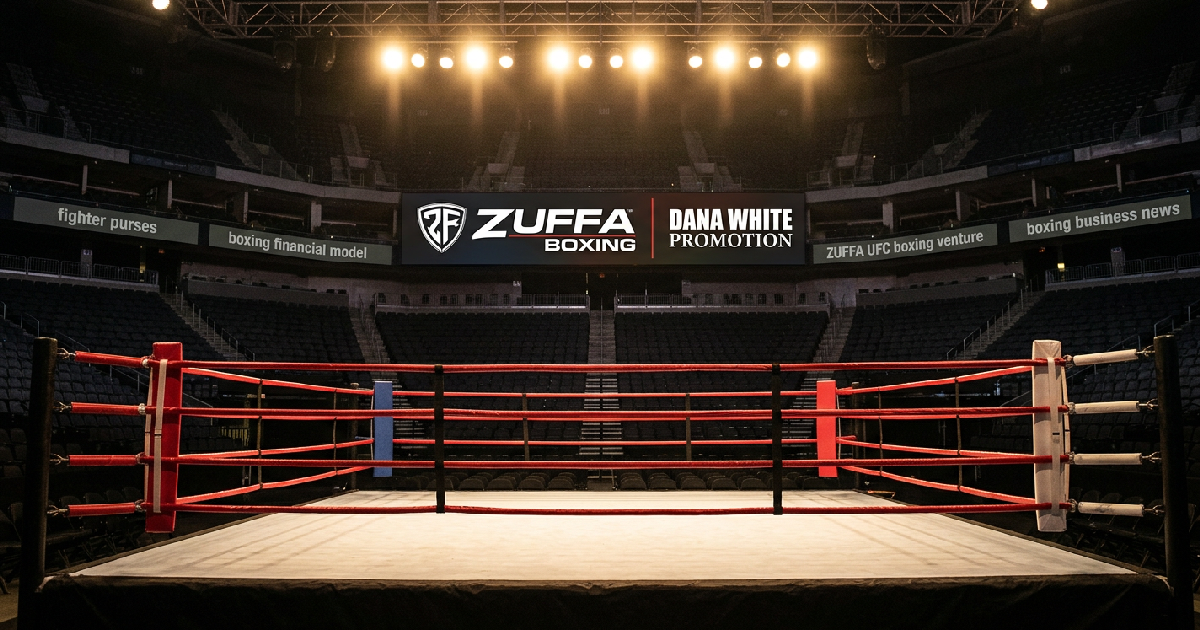
Dana White and the Zuffa Boxing venture appear set to fundamentally restructure the financial framework of professional prizefighting, potentially signaling an end to the era of massive, outlier fighter purses. Industry analysts suggest that as Zuffa attempts to bring a centralized promotional model to boxing, the days of astronomical paydays—once typified by the sport’s biggest crossover stars—could be replaced by a more controlled salary structure. This shift reportedly aims to prioritize brand equity and consistent matchmaking over the leverage of individual superstar promoters.
The move comes as the boxing world anticipates the full-scale launch of Zuffa Boxing, a project White has teased for years but now appears closer to fruition. For decades, boxing has operated on a decentralized model where top-tier athletes hold significant power, often demanding a majority share of revenue. By implementing a framework similar to the mixed martial arts world, Zuffa reportedly intends to cap the top-end volatility of paydays to ensure the long-term stability of the promotion itself.
Historically, the sport has relied on rare “mega-fights” to drive the global economy of the ring. However, critics of the current system argue that these massive payouts often lead to prolonged negotiations as fighters avoid risk to maintain their market value. While some of the most dangerous boxers in 2026 still command high prices, the Zuffa approach suggests that no single athlete should be bigger than the platform they fight on.
Shifting Away from Outlier Purses
The core of the Zuffa philosophy rests on the belief that boxing is financially inefficient in its current form. In the UFC, the brand is the primary draw, allowing the organization to maintain a pay scale that rarely reaches the levels seen in boxing’s biggest historic events. By applying this to boxing, Zuffa believes it can host more frequent high-quality cards without the burden of over-leveraged guarantees that have occasionally plagued independent promoters.
But the transition won’t be easy. Boxing’s legal protections, such as the Muhammad Ali Boxing Reform Act in the United States, provide fighters with more transparency and leverage than their MMA counterparts. This legal hurdle has been a frequent point of discussion for those looking to disrupt the status quo. Recently, figures like Oscar De La Hoya and Ali Walsh have even gone before lawmakers to caution against radical changes to the laws that protect a fighter’s right to independent negotiation.
Market Correction or Fighter Devaluation?
Proponents of the change argue that by lowering the ceiling for the elite few, more money can be distributed across the preliminary and main card levels. This could lead to a healthier ecosystem for prospects and mid-tier contenders who currently struggle to make a living. It would also likely force the best boxers to fight each other more regularly, as the financial reward for waiting for a specific record-breaking purse would diminish.
Conversely, skeptics suggest that Zuffa’s entry is less about fixing the sport and more about capturing a larger share of the profits. If the massive, individual windfalls disappear, that money isn’t necessarily going back to the fans through lower ticket prices. Instead, it likely stays within the promotional coffers to build the brand’s global infrastructure. This corporate consolidation is a trend seen across sports, particularly as Matchroom Boxing and other firms navigate shifting promotional allegiances and international expansion.
Challenging the Traditional Promoter Model
Established promoters have already expressed varying degrees of skepticism regarding Zuffa’s entry. The current boxing model is built on individual alliances and network deals with various global broadcasters. Zuffa would likely seek to bypass these multi-promoter headaches by signing a deep roster of exclusive talent, effectively creating a league rather than a traditional sanctioning-body-led hierarchy.
If Zuffa succeeds, the narrative of the “prize” in prizefighting changes. The goal would no longer be a singular, life-changing windfall, but rather a consistent, high-earning career within a structured season or series. For fans, this could mean an end to the years of waiting for major fights to be signed, but for the elite talent, it marks a potential loss of financial bargaining power.
The real test for Zuffa Boxing will be how it handles the biggest names who are currently free agents or under long-term deals with rival firms. If a fighter can make significantly more with a traditional promoter, Zuffa may find it difficult to attract the world-class talent needed to make their platform a must-watch. However, if they control the major venues and the most prestigious broadcast slots, fighters may eventually have limited choice but to accept the new financial reality.
Future Implications for the Heavyweight Division
Much of this restructuring will depend on the movement of the sport’s biggest stars. Smaller promotional outfits may find it impossible to compete with the infrastructure of a Zuffa-led project. And if the top stars decide that the stability of a league structure outweighs the risks of the current free-market system, the entire landscape of professional boxing could look unrecognizable by the end of the year.