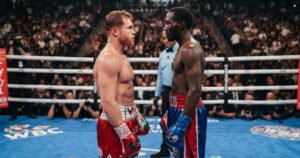
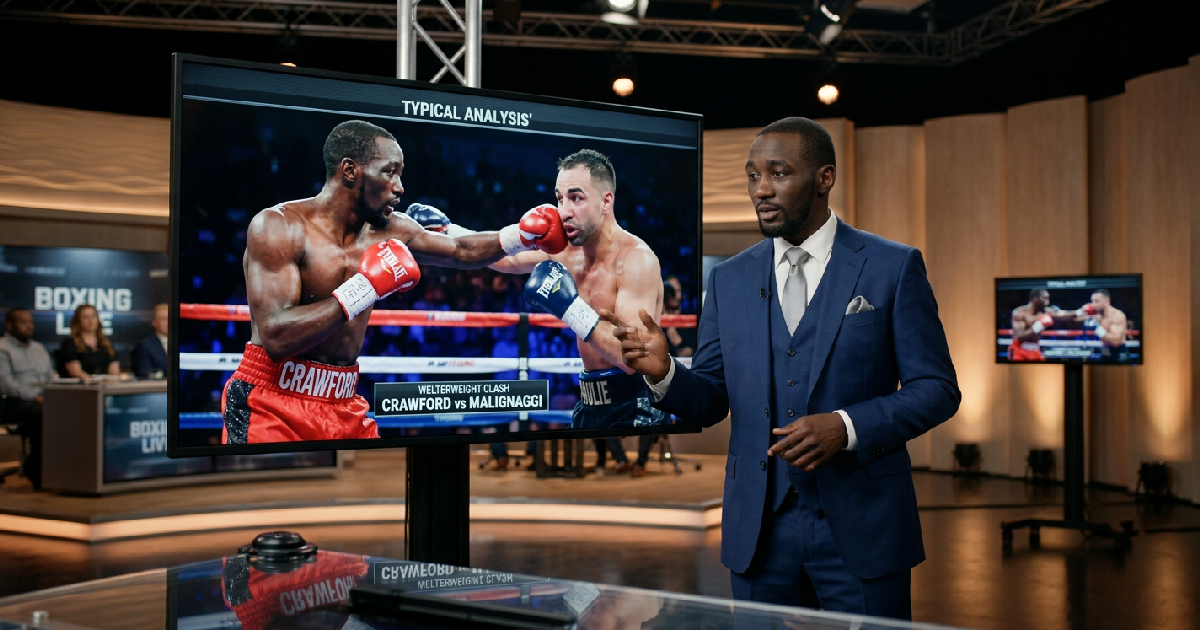
Former two-weight world champion Paulie Malignaggi has reignited a long-standing verbal rivalry with Terence Crawford, suggesting that he possessed the necessary tools to defeat the pound-for-pound star during their respective active years. Malignaggi, who now serves as a prominent television analyst, has reportedly indicated that his technical approach might have allowed him to find a path to a stoppage victory against the Omaha native. The Brooklyn-born fighter has occasionally reflected on promotional hurdles that he believes prevented a potential clash from ever reaching the negotiation table.
The tension between the two figures has existed for several years, frequently manifesting through social media exchanges and broadcast commentary. Crawford, who has recently sought opportunities in higher weight classes, has generally dismissed these assertions as post-retirement talk. Reports suggest that Malignaggi views a specific period in the mid-2010s as the missed window for a matchup, a time when both were campaigning near the same weight limit. He appears to believe that his defensive movement and ring intelligence could have troubled Crawford’s rhythm.
Behind the public sparring lies a narrative of the promotional and network divisions that characterized boxing over the last decade. During Malignaggi’s tenure as a top contender, the sport was often split between competing platforms, a dynamic that frequently stalled high-interest matchups. This friction mirrors the wider industry challenges seen in the fallout of major boxing business deals where administrative and political factors can dictate which fights actually materialize for the fans.
Analysis of the Technical Rivalry and Weight Class History
Malignaggi’s suggestion that he could have secured a stoppage win is viewed by many as a bold claim, given his reputation during his career as a finesse-oriented technical boxer. Known for a quick jab and lateral movement, the New Yorker was rarely associated with devastating finishing power. By suggesting a victory by stoppage was possible, he is reportedly implying that he identified specific defensive tendencies in Crawford that he felt he could have timed effectively.
Crawford, on the other hand, is widely considered one of the era’s most clinical finishers. His ability to adjust mid-fight and switch stances has cemented his status among the most dangerous boxers in the ring today. While some analysts argue that the physical strength and punching power would have favored the Nebraska fighter, Malignaggi has stood by his assessment that timing and precision might have changed the outcome of such an encounter.
And while these “what if” scenarios remain popular among fans, they rarely progress beyond theoretical debate. The promotional barriers of the time meant that Crawford and Malignaggi often occupied different sides of the broadcasting aisle. Such divisions have historically prevented several major bouts from occurring, leaving the boxing community to speculate on match outcomes based on style and past performance rather than actual results.
Legacy and the Modern Standing of Terence Crawford
Publicly critiquing an active elite fighter is a common occurrence among retired champions who remain close to the sport as commentators. For someone like Crawford, such comments join a chorus of voices often discussed in the context of the WBC feud and retirement talk that has recently surrounding his career path. For Malignaggi, these discussions help contextualize the level at which he feels he competed during his own championship reigns.
The debate also underscores the ongoing narrative regarding Crawford’s professional resume. Although he is almost universally praised by purists for his technical skills, some former professionals have questioned the depth of competition he faced during certain transitions between weight divisions. These verbal volleys ensure that Crawford remains a central figure in boxing conversations, even during periods when his next fight has not been officially confirmed.
So, the focus now shifts to what lies ahead for Crawford as he enters the final stages of his professional journey. While he has shown little interest in engaging with retired rivals, the expectation for him to seek out the largest possible names in the sport continues to grow. Fans and insiders alike are currently monitoring whether he will pursue further accomplishments in the heavier divisions or if he will choose to settle his remaining business at his current weight.
Boxing Career FAQ
Did Paulie Malignaggi and Terence Crawford ever sign a fight contract?
No. While there were periods of public discussion and verbal back-and-forth between the two, no official contract was ever signed, and the matchup never progressed to a formal announcement.
Which weight class would have been the most likely for a matchup?
If a fight had occurred, it would have likely taken place in the welterweight division, where both men were active at overlapping points in their professional careers.
Was Paulie Malignaggi known as a power puncher?
Malignaggi was primarily known as a technical boxer-stylist. He relied on speed, a sharp jab, and defensive footwork rather than raw power, which is why his comments regarding a potential stoppage of Crawford have generated significant discussion.