
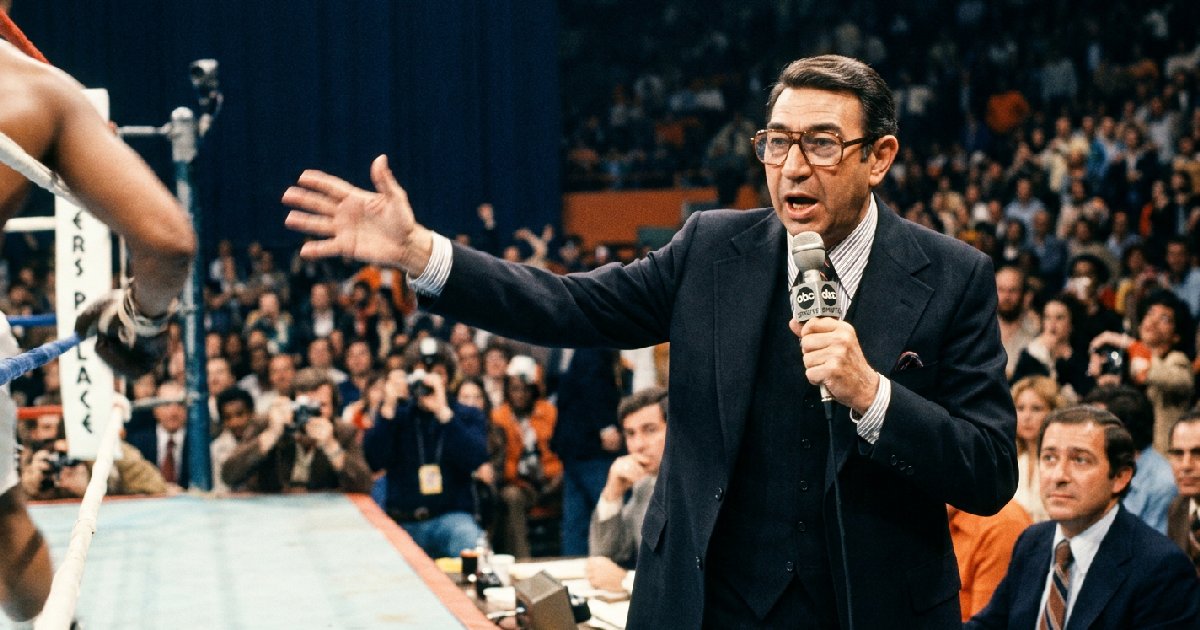
Top Rank promoter Bob Arum has offered a blunt assessment of his former colleague Howard Cosell, describing the legendary broadcaster as having transformed into a difficult personality during the final years of his career. Speaking in a recent interview, Arum acknowledged that while Cosell was instrumental in elevating the popularity of boxing throughout the 1970s, his demeanor eventually shifted in a way that strained professional relationships and distanced him from the sport he helped define.
The veteran promoter reflected on the complex legacy of Howard Cosell, a man whose nasal Brooklyn tone and distinctive broadcasting philosophy made him a household name. While Arum credited the announcer for his unique chemistry with Muhammad Ali, he noted that the broadcaster’s later years were reportedly marked by a combative attitude that Arum described in highly critical terms. This shift in personality appeared to coincide with Cosell’s growing public disillusionment with the ethics and safety of professional boxing.
The relationship between the promoter and the commentator was built during the peak of the heavyweight era, a time when the most dangerous boxers in the world were regular fixtures on network television. Arum noted that Cosell’s presence was a primary driver for the sport’s commercial success, providing a level of intellectual scrutiny that was rare for sports broadcasting at the time. But even then, the friction between the broadcaster and the establishment was beginning to simmer.
Rising Tension and the Departure from the Ring
The friction between Howard Cosell and the boxing establishment reportedly reached a breaking point during the early 1980s. During a high-profile heavyweight championship bout, Cosell appeared to become audibly distressed by the one-sided nature of the contest. Observers at the time noted that the broadcaster used his platform to question why officials were allowing the match to continue, signaling a deep personal conflict with the sport’s direction.
Following that specific broadcast, the announcer eventually moved away from professional boxing, having expressed a desire to no longer cover the sport. Arum’s recent comments suggest that this public exit was accompanied by a private temperament that made working with the broadcaster increasingly difficult for promoters and network staff alike. Despite the harsh labels Arum recently applied to him, the promoter still shared anecdotes about the lighter moments the two experienced together.
One story Arum recalled involved a trip where Howard Cosell’s celebrity status reportedly brought a street fight to a halt. According to Arum, the broadcaster intervened by providing a play-by-play commentary of the real-life brawl. Those involved were said to be so distracted by the iconic voice narrating their movements that the confrontation ended without further violence. But these moments of levity became less frequent as World Boxing Council feuds and other industry politics took center stage.
Complex Chemistry with Muhammad Ali
Any discussion of Howard Cosell’s career is tied to his relationship with Muhammad Ali. The two shared a symbiotic connection that blurred the lines between journalism and entertainment. Unlike the modern analysis of heavyweights that often focuses purely on technical metrics, the Ali-Cosell dynamic was a piece of performance art that forced the public to engage with the boxer’s broader views.
However, that relationship also faced significant strain as Muhammad Ali’s physical abilities began to decline. Howard Cosell was one of the few prominent voices in the media who did not hesitate to suggest to the aging champion that it was time to step away. While Arum found the announcer’s later personality difficult to manage, it was this refusal to remain silent about the sport’s risks that remains one of Howard Cosell’s most debated contributions to the medium.
Arum’s reflections come at a time when the boxing world is looking back at the influential figures who shaped the modern promotional landscape. As young practitioners like Dalton Smith secure their future in a vastly different era of the sport, the ghosts of the 1970s network TV era continue to influence how boxing is presented to the public today. The industry continues to balance the need for entertainment with the growing demands for fighter safety and accountability.
Legacy and Industry Reaction
The impact of Howard Cosell’s departure from the sport left a void that many feel has never been entirely filled. His willingness to criticize the very events he was hired to promote often put him at odds with powerful figures in the industry. Arum’s candid remarks highlight a lingering resentment that exists between the promotional side of the business and the journalists who challenge its ethics.
By the end of his tenure, the broadcaster had become a polarizing figure. To some, he was a hero who stood up for athlete safety; to others, including Bob Arum, he was a difficult personality whose cynicism eventually overshadowed his talent. The tension between reporting on a violent sport and advocating for the participants remains a central theme in modern sports media, long after the legendary broadcaster left the ringside microphone behind.