
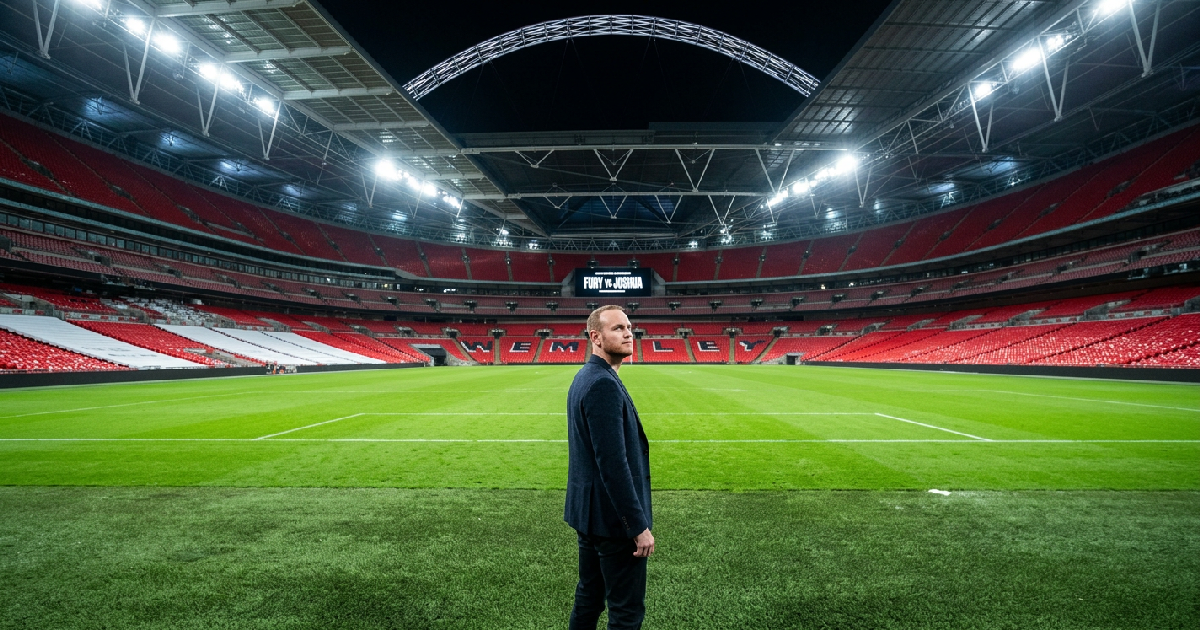
Former world champion George Groves has called on organizers to prioritize London for a potential heavyweight showdown between Tyson Fury and Anthony Joshua. The retired super-middleweight champion believes that despite the trend of major professional boxing matches moving to international markets, the magnitude of a domestic rivalry of this scale belongs at Wembley Stadium.
The prospect of Tyson Fury and Anthony Joshua meeting in the ring has remained a central talking point in the sport for several years. Both men have held significant titles within the division, yet a variety of promotional complications and individual results have prevented the pairing from being finalized. As discussions regarding their futures continue, David Price has evaluated Tyson Fury’s current form as the boxing world waits to see if the two stars will eventually clash.
George Groves argues that the cultural weight of the matchup justifies the use of the national stadium’s vast capacity. Having participated in major stadium events himself, the London-born veteran suggests that the unique energy of a massive British crowd provides a backdrop that neutral international venues struggle to replicate. He maintains that while global financial interests are influential, certain bouts carry a legacy that justifies a homecoming event.
The Debate Over Fighting on Home Soil
There is a growing discussion among enthusiasts and analysts regarding the shift of heavyweight boxing’s center of gravity toward the Middle East. While recent high-profile cards have frequently taken place in Riyadh, George Groves indicates that staging this specific fight in London would be a significant gesture toward the local supporters who have followed both fighters throughout their careers. The infrastructure at Wembley Stadium has historically been used for high-stakes British boxing matches that have defined recent eras of the sport.
Both Tyson Fury and Anthony Joshua have experienced major nights at the venue in the past, appearing in front of some of the largest crowds seen in British boxing history. This familiarity with the stadium, combined with the accessibility for the domestic audience, serves as a primary argument for advocates of a UK-based event. As Matchroom Boxing manages global expansion while balancing domestic interests, the decision of where to host such a mega-fight becomes a test of commercial strategy versus sporting tradition.
Financial Interests and Boxing Legacy
The movement toward international hosts is largely driven by substantial site fees that can exceed what is possible through local gate receipts and traditional broadcasting models. George Groves acknowledges the financial reality but suggests that the impact of a stadium show in the United Kingdom would be a defining moment for the sport’s health in Britain. He views the atmosphere of a major London event as an essential element that creates a “big fight feel” that is hard to manufacture elsewhere.
Securing Wembley would likely require a different financial structure than an international bout, yet proponents believe the cultural reward would be substantial. The presence of a massive domestic audience is often cited as a factor that can influence the intensity and narrative of a heavyweight contest, especially one involving two of the most recognizable figures in the country.
Heavyweight Succession and Future Outlook
The urgency surrounding these comments comes as both Tyson Fury and Anthony Joshua reach the veteran stages of their professional lives. While a new generation of talent, including heavyweights like Moses Itauma who recently achieved a statement win, begins to emerge, the commercial appeal of a Fury-Joshua fight remains at the top of the sport’s priorities. George Groves warns that bypassing a home venue might lead to a sense of disconnect among long-term fans.
Logistical hurdles for a Wembley event remain, including coordination with other sporting schedules and local entertainment regulations. Any deal would also need to address the complex broadcasting arrangements involving various network partners. Despite these challenges, the perceived demand for the fight suggests that a domestic stadium show would be a major commercial success, with proponents hoping that public interest will eventually influence the final hosting decision.
Frequently Asked Questions
Why is there a push for this fight to take place at Wembley Stadium?
Advocates believe that the scale and tradition of a British heavyweight rivalry are best served by a massive domestic venue. It is argued that the atmosphere generated by a local crowd adds a unique level of prestige to the event that international locations may not provide.
Are Tyson Fury and Anthony Joshua currently scheduled to fight?
There is no official confirmation or signed contract for a bout at this time. However, representatives from both sides have frequently discussed the potential for a meeting, and it remains one of the most anticipated potential matchups in the heavyweight division.
What are the benefits of staging the fight in the United Kingdom?
Hosting the event domestically would make the live experience more accessible to the core British fanbase by reducing the need for international travel. It would also serve to reinforce the United Kingdom’s position as a major hub for world-class heavyweight boxing.