
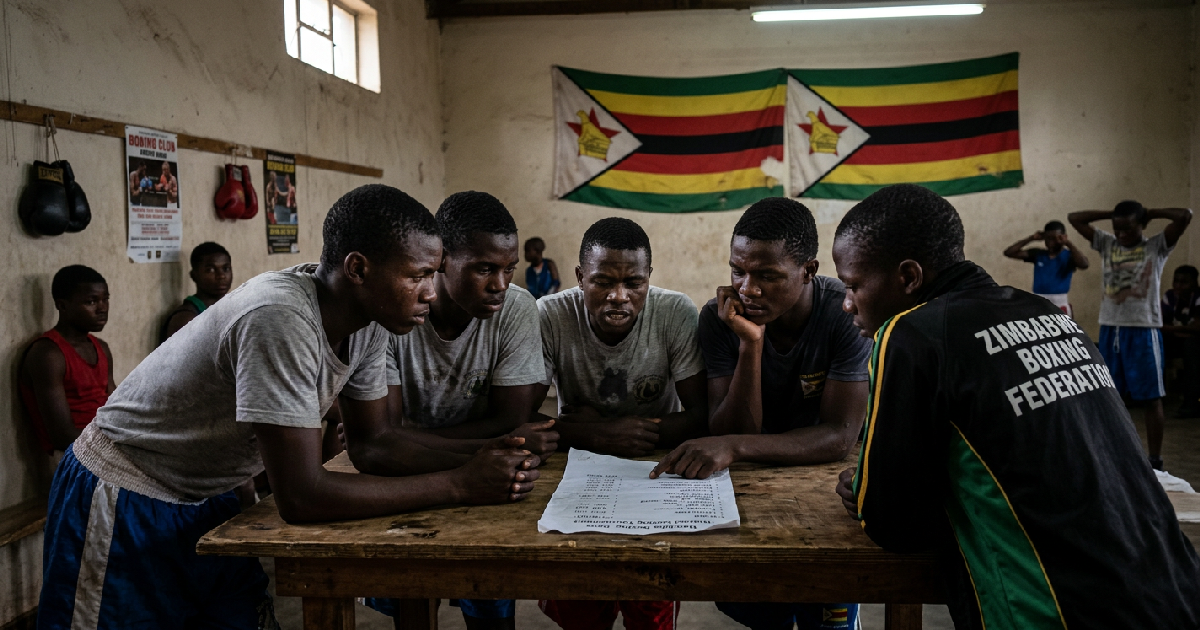
Zimbabwean boxers are facing a race against time to secure funding for a high-profile international tournament in Namibia, as a severe cash crisis threatens to derail the aspirations of the country’s national representatives. The Zimbabwe Boxing Federation (ZBF) confirmed that several athletes scheduled to travel for the regional showcase may be forced to withdraw unless immediate financial support is secured from corporate sponsors or government channels to cover travel, accommodation, and registration costs.
The situation highlights the persistent financial hurdles facing amateur and professional combat sports in Southern Africa. While the names of the specific athletes in the traveling party remain subject to final verification based on their funding status, the ZBF has indicated that the squad consists of some of the nation’s most promising talent. These fighters viewed the Namibian trip as a critical stepping stone toward larger international qualifying events, but the lack of liquidity within the federation has put those ambitions on hold.
Financial Strain on Zimbabwean Combat Sports
The current crisis isn’t an isolated incident but rather a symptom of a broader struggle within the Zimbabwean sporting ecosystem. Training facilities in Harare and Bulawayo often operate on shoestring budgets, leaving the burden of international travel costs on the athletes themselves or small-scale local donors. In a sport where momentum is everything, missing out on regional competition can set a fighter’s career back by years.
National federations across the continent often grapple with these logistical nightmares. While some regions have seen a surge in investment—exemplified by how Matchroom Boxing and other major promoters are expanding their global footprint—smaller amateur bodies in Africa frequently find themselves locked out of the lucrative professional pipeline due to a lack of initial exposure.
The Importance of the Namibia Tournament
Namibia has grown into a regional hub for boxing excellence, boasting a structured pathway that Zimbabwean officials are desperate to emulate. For the Zimbabwean contingent, competing in Windhoek offers more than just a medal opportunity; it provides a chance to be scouted by international promoters and to gain experience against different stylistic approaches. Without this exposure, even the most dangerous boxers in the amateur ranks struggle to transition into the paid ranks effectively.
The ZBF has reportedly made appeals to the Ministry of Youth, Sport, Arts and Recreation, but budget allocations for non-footballing codes remain historically thin. Local boxing enthusiasts have expressed frustration online, noting that the talent is present, but the administrative and financial infrastructure is failing to keep pace with the athletes’ dedication.
A Recurring Theme in Regional Growth
This funding gap comes at a time when the global boxing map is shifting. While massive infrastructure projects and state-sponsored events are becoming common in the Middle East, grassroots boxing in sub-Saharan Africa remains reliant on private philanthropy. The precarious nature of these “dreams” is often the difference between a fighter reaching world-class status or retiring early out of economic necessity.
We see similar narratives play out in other developing markets where talent is abundant but the “business” of the sport is volatile. For instance, the fallout from major promotional shifts often leaves smaller, unaffiliated federations in the lurch as they struggle to find reliable partners. For the Zimbabwean fighters, the immediate goal is simply getting across the border, but the long-term challenge is building a sustainable model that doesn’t rely on last-minute miracles.
Future Outlook for the National Team
The departure date for the Namibian event is looming, and if the funds are not materialized, the federation may be forced to send a drastically reduced squad. This would mean that only those fighters with personal sponsorship or wealthy benefactors would travel, potentially leaving the country’s best medal prospects at home. Such a scenario undermines the meritocracy of national selection and damages the morale of the boxing community at large.
And yet, there is still hope. Local businesses have occasionally stepped in during the eleventh hour to save such trips in the past. The boxing fraternity is currently waiting for a final word on whether a last-minute intervention will allow the full team to board the bus to Windhoek.
Frequently Asked Questions
Why is the Namibia tournament so important for Zimbabwean boxers?
Namibia offers a higher level of competition and better visibility than domestic matches. It serves as a primary platform for Southern African fighters to earn rankings and attract interest from international scouts who can help them turn professional.
What happens if the Zimbabwe Boxing Federation fails to raise the money?
The most likely outcome is a “stripped-back” team where only a handful of athletes travel, or a total withdrawal from the event. This results in a loss of registration fees and, more importantly, a lost year of development for the athletes involved.
Is this a common problem for African boxing federations?
Yes, many amateur sports bodies across the continent face similar issues. While professional boxing can be lucrative, the amateur foundations often rely on government grants that are frequently delayed or diverted to other high-profile sports like football.