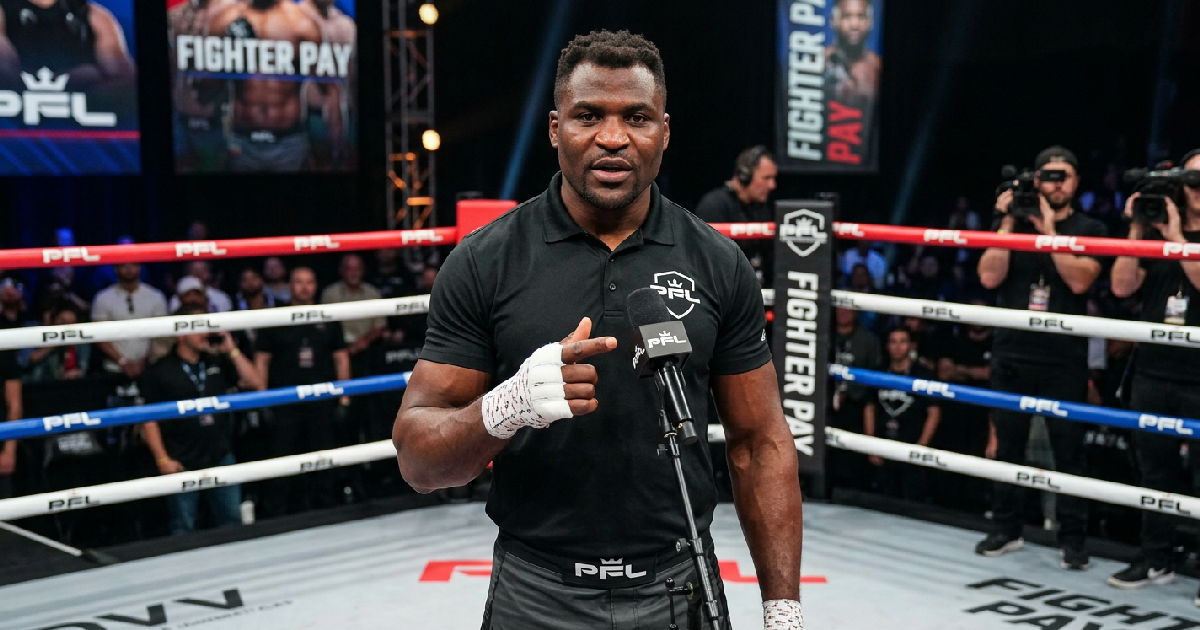
Heavyweight combat sports star Francis Ngannou has reaffirmed his intention to balance high-stakes boxing matches with a return to the cage, specifically highlighting the influence of Jake Paul on modern fighter economics. The former UFC champion reportedly clarifies that his tenure in the Octagon is firmly in the past, while indicating that his next professional move involves a debut with the Professional Fighters League (PFL) and a continued pursuit of major boxing opportunities.
The Cameroonian power-puncher, who recently transitioned from MMA to become one of the most dangerous boxers in the ring, has addressed his departure from the UFC with a sense of finality. Reports suggest that the terms of his exit were driven by a desire for fighter autonomy and better contractual flexibility—standards he believes are now being championed by figures like Jake Paul. Ngannou is said to credit the YouTuber-turned-boxer for challenging traditional promotional models and forcing a public conversation about athlete compensation relative to organizational revenue.
This pivot marks a significant moment in the heavyweight landscape. After lucrative boxing bouts against the world’s elite, many questioned whether Ngannou would ever return to the smaller gloves of MMA. But he insists that his commitment to the PFL remains intact, viewing the organization as a partner that respects his dual-sport ambitions. The move signals a shift in power where top-tier talent no longer feels tethered to a single promoter or discipline.
Ngannou Credits Jake Paul for Disrupting Combat Sports Economics
One of the more perspective-shifting takeaways from Ngannou’s recent stance is his vocal support for Jake Paul. While purists often criticize the social media star, Ngannou reportedly views him as a necessary disruptor. He suggests that Jake Paul has provided a blueprint for fighters to take control of their own brands and negotiate from a position of strength, rather than waiting for a promoter’s permission.
And it’s not just about the money. Ngannou points out that the visibility Jake Paul brings to the table has forced major promotions to reconsider restrictive exclusivity clauses. This freedom allowed Ngannou to test himself against boxing’s best while maintaining his status as a premier mixed martial artist. The crossover appeal is undeniable, and it is a trend that appears to be accelerating as more fighters look to maximize their earning potential.
Transitioning Between Boxing and the PFL
Despite the massive scale of his recent boxing matches, Ngannou remains tethered to his roots in MMA. His move to the PFL was framed as a strategic partnership, which includes a leadership role in PFL Africa. This long-term vision suggests that Ngannou is thinking beyond his own fighting years, aiming to build a sustainable infrastructure for African athletes who often lack resources to reach the global stage.
But the transition back to the cage won’t be without its hurdles. Boxing and MMA require vastly different conditioning and tactical approaches. Those who have followed Tyson Fury’s current form know how demanding the heavyweight division can be, and Ngannou will need to recalibrate his timing for takedown defense and kicking after spending months focusing solely on his hands. He seems unfazed by the challenge, reportedly believing his multi-sport approach keeps him mentally sharp.
Refining the Training Camp for Dual Disciplines
To manage this workload, Ngannou has adjusted his coaching staff and training locations. It is common for high-level fighters to seek fresh surroundings when moving between disciplines, similar to how Darius Fulghum relocated his camp to Los Angeles to access specialized instruction. Ngannou’s ability to peak for both a boxing match and an MMA championship fight will be a test of his athletic longevity.
Beyond the Octagon: The UFC Chapter is Closed
Addressing the persistent rumors of a return to the UFC, Ngannou’s position is reported to be firm: that door is shut. He describes a relationship that had become untenable due to a lack of shared vision regarding fighter rights and healthcare. While promotional figures have often dismissed Ngannou’s departure as a mistake, the heavyweight sees it as a victory for athlete independence.
By securing a deal that allows him to box while remaining a marquee MMA attraction, Ngannou has effectively bypassed the traditional gatekeepers of the sport. His success serves as both a beacon for other champions and a warning to promotions that the era of ironclad, one-sided contracts may be nearing its end. As he prepares for his future PFL debut, the combat sports world will be watching to see if he can maintain dominance in two different worlds simultaneously.
Frequently Asked Questions
Why did Francis Ngannou leave the UFC?
Ngannou left the UFC primarily over contractual disputes regarding fighter freedom, the right to seek individual sponsorships, and the ability to compete in professional boxing matches while under an MMA contract. He has indicated that the UFC’s refusal to accommodate these terms led to his decision to vacate his heavyweight title and enter free agency.
When is Francis Ngannou’s next MMA fight?
While an exact date has not been confirmed for his return to the cage, Ngannou is expected to make his debut for the Professional Fighters League (PFL) in the future. This appearance will mark his return to mixed martial arts following his high-profile transition into the heavyweight boxing landscape.
How does Jake Paul influence Ngannou’s career?
Ngannou views Jake Paul as a pioneer in the movement for better athlete compensation and empowerment in combat sports. He credits Paul with using his platform to highlight the discrepancies in how fighters are paid and for proving that athletes can operate as independent businesses rather than being restricted to a single promotion.