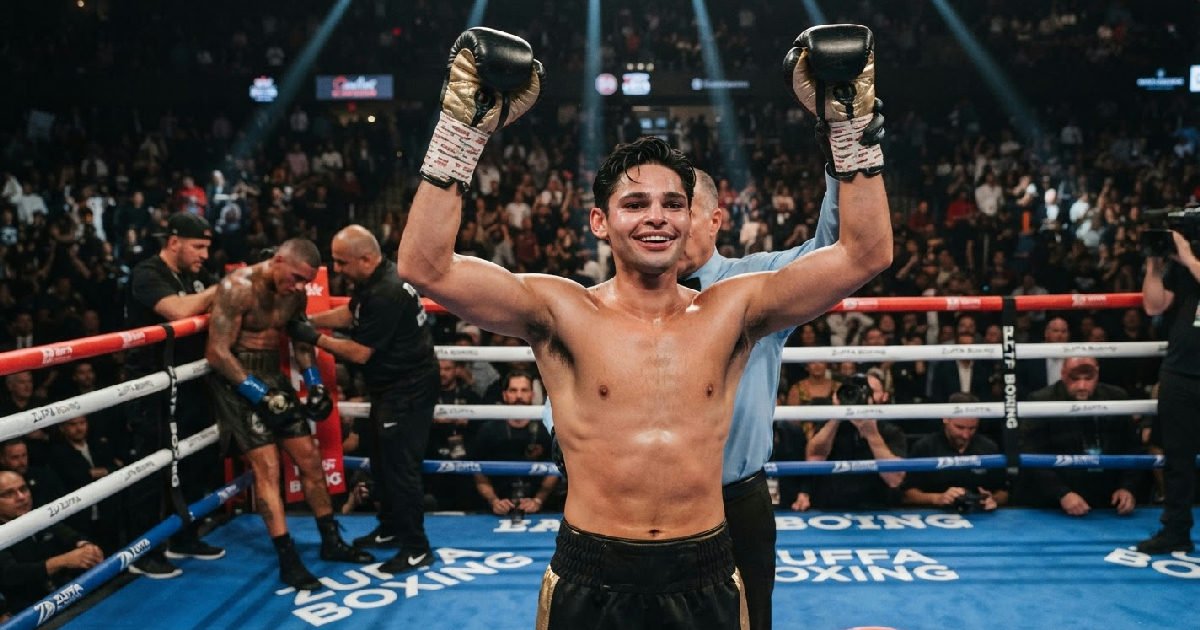
Conor Nigel Benn, the 29-year-old British boxer, faces an unavoidable path towards a third showdown with Chris Eubank Jr. following his first professional knockout defeat to Ryan Garcia. The pivotal loss, which occurred on Saturday, September 13, 2026, in Las Vegas, has dramatically reshaped Benn’s career trajectory and earning potential, leaving the high-profile trilogy as his most commercially viable option.
The crushing defeat against Ryan Garcia laid bare significant technical vulnerabilities, forcing Benn to confront the realities of his fighting style. This outcome has intensified the focus on his future, with many speculating that the Eubank Jr. trilogy is not just a preference but an economic necessity for the Greenwich-born fighter.
Conor Benn Faces Career Crossroads After Ryan Garcia Defeat
Benn’s aggression frequently overshadowed his defensive responsibilities in the Las Vegas bout, a stark reality captured on film. He notably walked directly into Ryan Garcia’s powerful right hand, demonstrating a lack of head movement that ultimately proved costly. While Benn quickly returned to training, mere roadwork cannot rectify fundamental flaws in technique.
The fight also underscored serious issues with Benn’s weight management. While specific figures are not available, it’s clear that the process of making weight for Garcia’s bout proved draining. This experience has seemingly confirmed that his welterweight days are over, mandating a move to a higher weight class. This situation highlights the dangers of weight cutting in boxing.
Moving back up to 160 pounds, the middleweight division, now seems the only sensible option for Benn. This weight class not only mitigates the dangerous drain associated with extreme cutting but also provides a more natural fighting weight for his frame. Critically, it also positions him for the most lucrative fight available.
The Imperative of a Chris Eubank Jr. Trilogy
A third meeting with Chris Eubank Jr. represents an unparalleled opportunity for Benn, driven by both competitive history and significant financial incentives. This rivalry, with its intense narrative, appeals strongly to the British boxing public. Such built-in domestic demand is something an ordinary tune-up fight simply cannot generate.
Both Benn and Eubank Jr. understand their mutual dependence in securing stadium-filling gates and substantial paydays. Engaging in a lesser fight at this juncture would expose Benn to diminished earnings and potential further setbacks against less marketable opponents. The trilogy clash, however, allows him to capitalize on a deeply personal family rivalry before his market value depreciates further.
Financial Realities and Promoter Expectations
The economics of boxing dictate that high-profile bouts are essential for fighters accustomed to significant purses. Zuffa Boxing, headed by Dana White, operates on a model that prioritizes numbers, event visibility, and immediate return on investment. The notion of funding “low-level rebuilding bouts” for Benn, potentially costing millions, simply doesn’t align with this business philosophy, especially given promotional dilemmas.
Post-Garcia, Benn’s leverage has taken a considerable hit. He no longer commands American pay-per-view numbers purely on his own name, making a substantial investment in a fight against an unranked middleweight contender financially unsound for promoters. For Benn, the Garcia fight has left him with limited viable options that meet his financial expectations.
A Middleweight Landscape Void of High Stakes
Beyond Chris Eubank Jr., the current middleweight division presents a challenging commercial landscape for Conor Benn. Many observers describe it as a “commercial desert,” lacking champions or top contenders with the domestic box office appeal necessary to justify Benn’s established pay scale. This absence of marketable rivals further reinforces the necessity of the Eubank trilogy.
Considering other potential opponents in the division, Benn would likely face drastically smaller purses. Furthermore, facing seasoned punchers at 160 pounds would pose significant physical danger, demanding top performance for a fraction of the income Benn has grown accustomed to. Eubank Jr., therefore, remains the singular “cash cow” on the board, promising both competitive drama and a lucrative financial return.
The family storyline continues to be a potent selling point, capable of filling large venues like British football stadiums. This promotional narrative effectively writes itself, making the Eubank Jr. fight a straightforward proposition for both camps. For Benn, it offers an immediate return to a mega-event, circumventing the financial embarrassment of an off-camera tune-up with a much smaller purse.
The Unattainable Rebuild and Familial Shadow
While a traditional rebuild against modest opposition might seem logical on paper, this path closed for Conor Benn a long time ago. At 29 years old, and with virtually no amateur background, a fighter in his position would typically take a step back, engage unranked opponents, and systematically address the defensive shortcomings exploited by Ryan Garcia. But Benn’s career trajectory has been anything but typical.
The arrival of massive paychecks against opponents like Ryan Garcia and in his two previous encounters with Chris Eubank Jr. has made stepping down almost impossible. Transitioning from headlining stadium events to fighting in smaller halls for significantly reduced pay is a difficult adjustment for any fighter who has experienced generational wealth. The expectations established by his promotional success now dictate his choices.
Stripping away the marketing sheen, Benn remains a prospect who, in his earlier career, struggled through close calls against fringe contenders. He notably did not inherit the natural frame, chilling power, or granite chin that characterized his father, Nigel Benn, during his brutal wars. This lack of inherent physical advantages necessitates a more cautious career progression, which his current financial standing precludes.
Consequently, Benn cannot afford the luxury of a multi-year apprenticeship to refine his skills. He is in a difficult position: too wealthy to accept the “peanut purses” of untelevised shows, yet possessing too many technical holes to confidently face elite contenders without significant risk of injury. This paradox further confines him to the high-stakes, high-reward path of the Conor Benn Eubank trilogy.
What Lies Ahead for “The Destroyer”
The post-Garcia landscape leaves Conor Benn with few practical options beyond revisiting his rivalry with Chris Eubank Jr. The financial and competitive logic is stark: public interest remains high, and the potential gate receipts are substantial.
While post-fight treadmill runs offer a defiant image for social media, they do nothing to alter the economic and strategic realities of his situation. Indeed, the outcome against Ryan Garcia only solidified this trajectory.
The pressures on modern boxers like Benn extend beyond mere athletic prowess; they encompass brand building, financial viability, and the strategic navigation of a commercially driven sport. This means that sometimes, the most logical fighting choice is also the most lucrative. For Benn, securing another “monster check” appears intrinsically linked to facing Eubank Jr. for a third time.
This situation underscores the tightrope walk many top fighters undertake, balancing personal ambition with professional necessity. For Benn, the trilogy fight with Eubank Jr. is not just about settling a score; it’s about sustaining a career built on spectacle and substantial payouts. The boxing world will be watching closely to see how this high-stakes decision unfolds.