
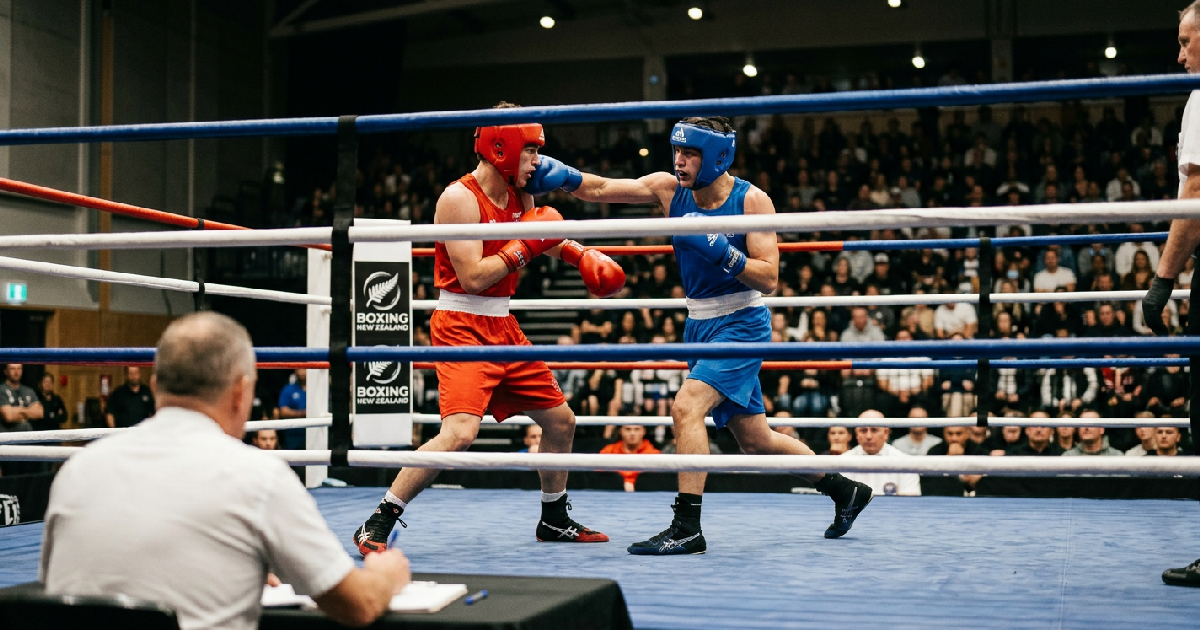
Governance in amateur sports often operates in the shadows, away from the bright lights of professional arenas. However, Boxing New Zealand is currently facing a public reckoning as internal fractures spill into the open. A former board member has come forward with sobering allegations, claiming the national sporting body has been plagued by a culture of bullying for far too long.
The accusations suggest that the issues within the organization are not isolated incidents but rather part of a systemic pattern that has reportedly stifled growth and alienated talent over several years. For an organization responsible for nurturing the next generation of Olympic hopefuls and grassroots athletes, these claims strike at the very heart of its mission. The focus has shifted from the ring to the boardroom, where the fight for the sport’s future in the country is now being waged.
A Heritage Defined by Discord
The administrative side of the sport in New Zealand has often felt like a series of rounds that never quite end. While the athletes are busy training, the leadership has frequently found itself entangled in internal disputes. The latest whistleblower, who previously held a high-ranking position within the board, argues that the environment became untenable because of how dissenting voices were reportedly treated by those in power.
According to these reports, the culture of intimidation wasn’t just limited to the boardroom. It reportedly had a trickle-down effect that impacted officials, coaches, and even the boxers themselves. When leadership allegedly prioritizes power dynamics over developmental progress, the sport inevitably suffers. This is particularly concerning as heavyweight schedules are reportedly tightening and the pressures of the international amateur circuit continue to mount on young athletes.
Systemic Failures and Stagnation
One of the primary concerns raised is the lack of transparency regarding how complaints are handled. The former board member pointed out that attempts to reform the system from within were often met with resistance or outright hostility. This “old boy’s club” mentality is a criticism often leveled at long-standing sporting institutions, but the specific allegations of bullying add a more serious dimension to the critique of the national body.
The timing of these revelations is particularly awkward for the organization. As global entities like those involved in Zuffa Boxing continue to modernize and professionalize the sport’s infrastructure, amateur bodies that remain stuck in cycles of internal conflict risk becoming obsolete. There is a sense that while the rest of the world is moving toward greater accountability and athlete welfare, Boxing NZ has remained tethered to practices that critics describe as outdated and harmful.
Pressure for Independent Reform
Calls are now growing for an independent review of the organization’s culture. Critics argue that the board cannot be expected to investigate itself effectively, especially when the allegations suggest that the top tier of leadership is part of the problem. For many in the New Zealand boxing community, this isn’t just about one or two individuals; it’s about a complete reset of the organizational DNA to ensure the safety of its members.
The impact of a toxic culture is rarely confined to the office. It manifests in the loss of experienced volunteers and the fatigue of those who are simply tired of the politics. In a sport that relies so heavily on community engagement and the dedication of local gyms, losing the trust of the grassroots base is a recipe for long-term decline. This contrast is sharp when looking at other regions where the sport is celebrated; for instance, the way Josh Kelly received a civic honor highlights the positive community impact boxing can have when the focus remains on the athletes and their achievements.
The Road Toward Accountability
Whether Boxing New Zealand can weather this storm remains to be seen. The organization finds itself at a crossroads where silence is no longer a viable strategy. The former board member’s decision to go public has forced a conversation that many insiders say is decades overdue. Addressing these claims requires more than just a press release; it requires a demonstrable shift in how the organization values its members and handles disagreement.
As the story continues to develop, the focus will likely shift to whether the national sports funding bodies will step in to mandate changes. Without financial pressure or a significant overhaul of the current board structure, there are fears that the cycle of bullying and administrative stagnation will simply continue under a different guise. For the sake of the fighters who step into the ring, the hope is that the battle in the boardroom finally finds a resolution that prioritizes the welfare of the boxing community.