
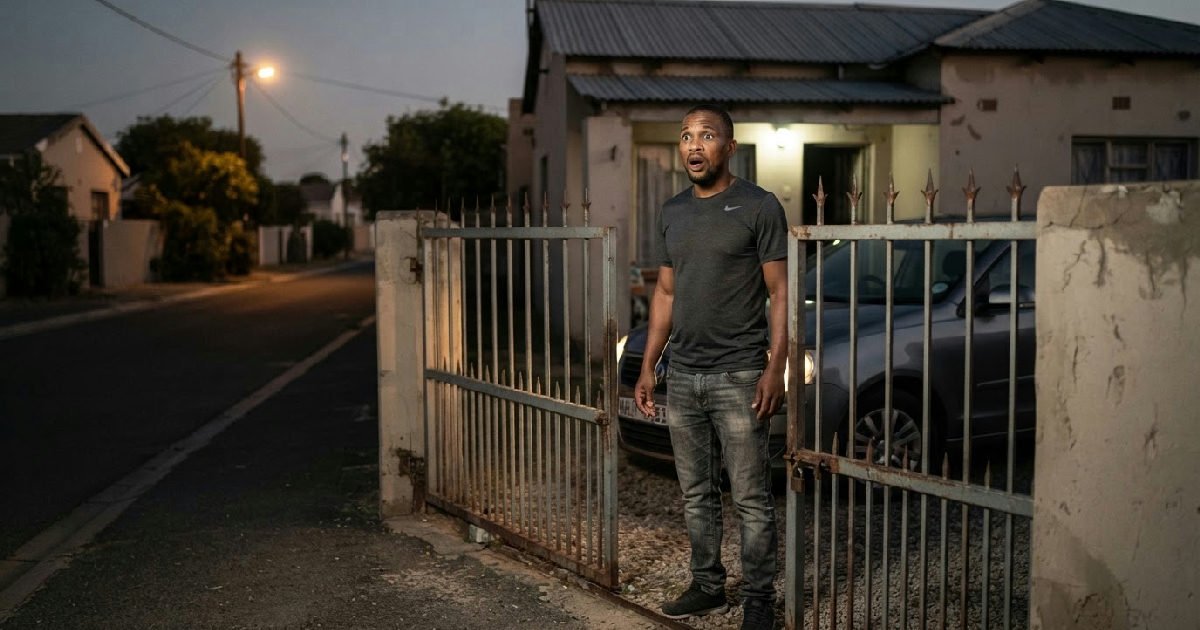
Former two-division world champion Zolani Tete was shot and killed Friday night in a brazen ambush outside his home in Mdantsane, Eastern Cape, South Africa. The celebrated 38-year-old boxer, who was planning a return to the ring, was pronounced dead at the scene.
The incident occurred around 6:30 PM local time on August 21, 2026. A 27-year-old female passenger in the vehicle with Tete sustained multiple gunshot wounds and was rushed to a local hospital, where she remains under medical care. Police have launched a murder and attempted murder investigation.
A champion’s life cut short in a violent ambush
According to Eastern Cape police spokesperson Brigadier Nobuntu Gantana, the attack was sudden and brutal. Tete was reportedly arriving at his residence and waiting for the gate to open when a vehicle carrying two armed suspects wearing balaclavas appeared. The assailants emerged and opened fire on Tete’s car.
In a final, desperate act, Tete tried to escape the attack. “In an attempt to escape the hail of bullets, the deceased drove his vehicle into the yard,” Brigadier Gantana stated. Tragically, his efforts were in vain. He succumbed to his injuries before medical help could arrive.
The suspects fled the scene immediately following the shooting and have not yet been apprehended. Authorities have not commented on a possible motive for the attack, which has all the hallmarks of a targeted assassination rather than a robbery gone wrong. The investigation is ongoing as police appeal to the public for information.
Remembering the career of Zolani ‘Last Born’ Tete
Zolani Tete, known affectionately as ‘Last Born,’ was a towering figure in the lower weight classes for over a decade. He was a product of Mdantsane, a township renowned for producing a conveyor belt of boxing talent. It’s a place where dreams of glory are forged in gritty, under-equipped gyms, and Tete was one of its most successful exports.
He began his boxing journey at the tender age of eight, dedicating his life to the sport. His professional career was a rollercoaster of setbacks and spectacular triumphs. He finished with a formidable record of 29 wins, 4 losses, and 1 no-contest, with an impressive 22 of those victories coming by way of knockout.
From Mdantsane to world champion
Tete’s path was not always easy. After an early-career loss to countryman Moruti Mthalane in a world title bid, he endured a difficult patch. But he persevered, demonstrating the resilience that would define his career. He formerly held the WBF Flyweight and WBO Bantamweight titles, and was also an IBF junior-bantamweight champion, demonstrating his versatility across weight classes.
After securing the IBF junior-bantamweight title, he moved up to the bantamweight division, where he arguably enjoyed his greatest success. His technical skill, southpaw stance, and devastating power made him a formidable opponent for anyone. He captured the WBO bantamweight title, solidifying his status as one of the world’s elite fighters.
The record-breaking knockout and title reigns
Perhaps the most indelible moment of Tete’s career came on November 18, 2017, in Belfast. Facing Siboniso Gonya in a defense of his WBO belt, Tete landed a single, perfectly timed right hook just seconds after the opening bell. The fight was over in 11 seconds, earning him a Guinness World Record for the fastest knockout in a world championship bout.
It was a punch that showcased the electrifying power he possessed. Tete was more than just a puncher, though; he was a skilled boxer who could adapt his style. His career was a testament to the idea that with hard work and dedication, even fighters from challenging backgrounds could reach the pinnacle of the sport, a reality that drives better industry conditions for today’s athletes.
A comeback tragically cut short
The final years of Tete’s career were marked by controversy and the promise of redemption. His last appearance in a ring was in July 2022, when he scored a devastating fourth-round knockout over Jason Cunningham in London. It was a vintage performance that seemed to signal a late-career resurgence.
However, the victory was short-lived. Following the bout, Tete tested positive for the banned steroid stanozolol. The win was overturned to a no-contest, and the UK Anti-Doping agency (UKAD) handed him a mandatory four-year suspension from the sport. It seemed like a sad and premature end to a distinguished career.
But Tete had other plans. The ban officially expired on July 29, 2026, just weeks before his death. According to his manager, Mlandeli Tengimfene, Tete was in training and fully focused on a comeback.
A fight was reportedly scheduled for November 28, 2026, offering him a chance to write a final, positive chapter to his story. His death cuts that comeback narrative short in the most tragic way imaginable.
An investigation underway as the boxing world mourns
As police hunt for the perpetrators, the boxing world has been left reeling from the news. Tributes have poured in from fellow fighters, promoters, and fans who remembered Tete not just for his accomplishments in the ring, but for his character outside of it. He was seen as a standard-bearer for South African boxing.
Eastern Cape Premier Oscar Mabuyane expressed the shock felt across the region. “I am devastated by the shocking and senseless killing of our champion, Zolani Tete,” Mabuyane said in a statement. “Tonight, the Eastern Cape lost one of its finest sporting sons.” The sentiment captured the profound sense of loss in his home province.
Tete’s death leaves a significant void in a nation that reveres its boxing heroes. He represented a generation of fighters who could achieve global recognition, a path that promoters continue to seek for new talents in boxing. For many, Tete’s journey was a source of immense pride.
Mdantsane’s boxing legacy and the violence that plagues it
Zolani Tete’s story is inextricably linked to his hometown of Mdantsane. Known as the ‘Boxing Mecca’ of South Africa, the township has produced more national and world champions than any other area in the country. It’s a place where boxing is woven into the very fabric of the community, offering a path away from poverty for many young men.
Tete was a product of this environment, a hero who made it to the world stage. His success brought pride and hope to a region that has faced significant economic and social challenges. He was proof that greatness could emerge from even the most difficult circumstances. He was a symbol of what was possible.
His violent death, however, serves as a grim reminder of the dangers that persist in South Africa. The brutal nature of the ambush highlights the pervasive issue of violent crime that the country continues to grapple with.
It’s a tragic irony that a man who used his fists to escape a tough environment and achieve global fame would have his life ended so violently at his own front gate. The pressures faced by champions and all athletes are immense.
Tete’s death is not just a loss for boxing, but a tragedy for a nation that saw in him a champion, a hero, and a son.