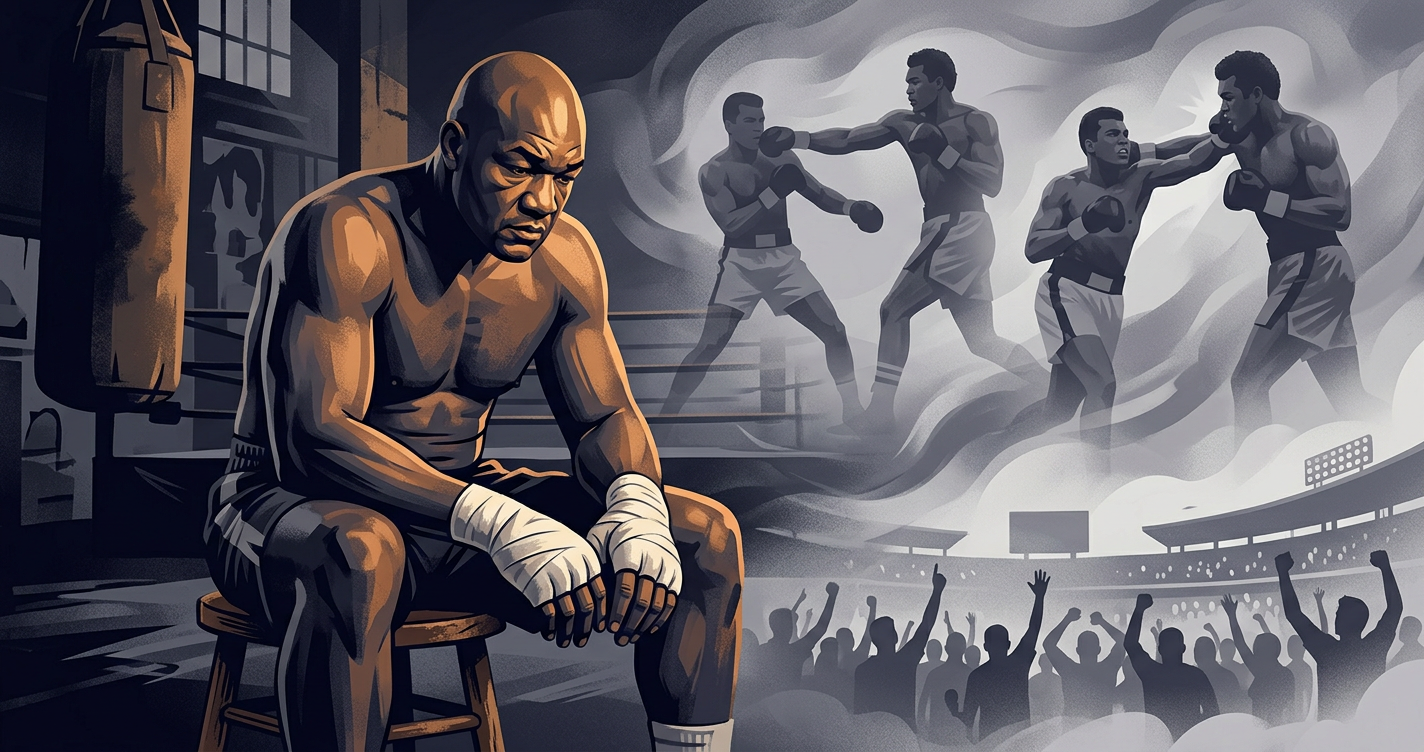
Few moments in sporting history carry the weight of October 30, 1974. The “Rumble in the Jungle” wasn’t just a heavyweight championship fight; it was a cultural pivot point that redefined how the world viewed Muhammad Ali and shattered the aura of invincibility surrounding George Foreman. Decades later, the man who walked into Zaire as the most feared puncher in history is still peeling back the layers of that humid night in Kinshasa.
The Ghost of Kinshasa and the Rope-a-Dope
In recent reflections on his career, George Foreman has been remarkably candid about the psychological toll of his loss to Ali. At the time, Foreman was the heavy favorite, a wrecking ball who had decimated Joe Frazier and Ken Norton in combined total of just four rounds. The expectation wasn’t just a win; it was a demolition. But as history recorded, Ali’s unconventional “rope-a-dope” strategy allowed Foreman to punch himself into exhaustion.
Foreman has often noted that it wasn’t just the physical fatigue that beat him, but the mental shock. He described a sense of confusion as Ali leaned against the ropes, taking shots that would have floored any other human being, only to whisper “Is that all you got, George?” into his ear. It’s a testament to Foreman’s character that he transformed this crushing defeat into a lifelong friendship with Ali, though he admits it took years to stop seeing Ali’s face in his dreams.
Redefining a Heavyweight Legacy
The aftermath of the fight sent both men on wildly different trajectories. For Ali, it was the ultimate vindication of his “The Greatest” moniker. For Foreman, it sparked a period of deep depression and eventual spiritual transformation. It is rare for a champion to speak so openly about the “nightmare” of losing his title, yet Foreman uses these recollections to highlight Ali’s unique genius in the ring.
He recalls the eighth round with vivid clarity—the moment his legs turned to jelly and Ali stepped off the ropes to deliver the final combinations. To Foreman, the loss was necessary. He has frequently stated that without the humbling experience in Zaire, he never would have found the peace or the personality that fueled his historic second acts as a preacher and, eventually, the oldest heavyweight champion in history.
The enduring influence of the Rumble
Modern heavyweights still look back at the 1974 clash as the blueprint for tactical bravery. Whether it’s Malik Scott evaluating the modern heavyweight landscape or today’s champions trying to master psychological warfare, the specter of Ali and Foreman remains the gold standard. The fight proved that power, while devastating, often bows to the resilience of the human spirit and a superior tactical mind.
Foreman’s willingness to keep these stories alive ensures that the tactical nuances of the “Rumble in the Jungle” aren’t lost to time. He doesn’t just talk about the punches; he talks about the heat, the roar of the “Ali bomaye” chants, and the realization that he was facing something more than just a boxer.
Common Questions About the Rumble in the Jungle
Why did George Foreman lose to Ali?
While Foreman was the harder puncher, he fell victim to Ali’s “rope-a-dope” strategy. By absorbing Foreman’s power shots while leaning on the loose ropes, Ali allowed Foreman to tire himself out completely by the middle rounds, leaving him vulnerable to a knockout in the eighth.
Did Foreman and Ali remain enemies?
Actually, the opposite happened. Despite the intensity of their rivalry, they became incredibly close friends in the years following the fight. Foreman often speaks of Ali with immense love and respect, acknowledging that his life improved significantly because of the lessons he learned from that defeat.
How did the fight change Foreman’s boxing style later on?
When Foreman made his famous comeback in his 40s, he was a much more relaxed, economical fighter. He abandoned the frantic, high-energy aggression of his youth—which failed him in Zaire—in favor of a steady, “mummy-style” defense and calculated power punching.