
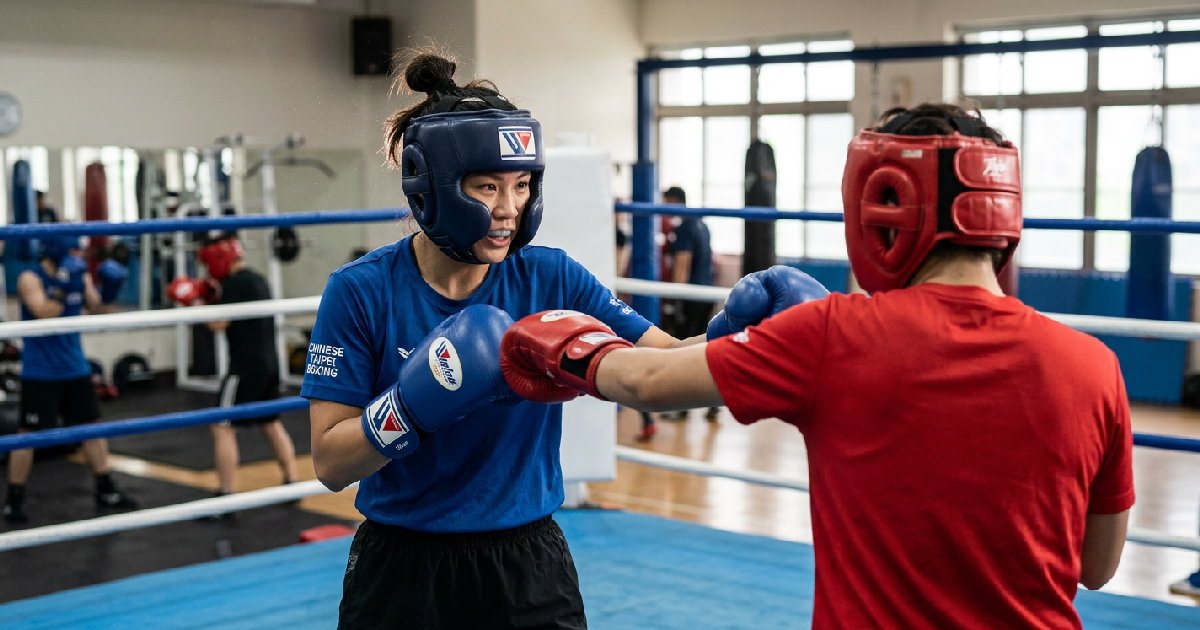
The road to international success in elite boxing is rarely a straight line, and for Wu Shih-yi, the current season has served as a sobering reminder of the sport’s high-stakes nature. After missing out on the roster for upcoming major regional games, the standout athlete has demonstrated a level of maturity that often separates the elite from the chasing pack. Rather than retreating into the shadows of disappointment, she has pivoted her focus toward supporting the very teammates she looks to stand alongside in future tournaments.
There is a specific kind of mental fortitude required to transition from a primary competitor to a support role within a national training camp. For Wu, becoming a sparring partner is not just about keeping her fitness levels elevated; it is about providing the tactical friction necessary to sharpen the skills of those currently preparing for top-tier international competition. This shift comes at a time when the boxing world is preparing for a busy period of activity, with rumors circulating that heavyweight schedules may tighten as various rankings committees meet to finalize summer plans.
The Evolution of a Strategic Mindset
Wu Shih-yi has long been regarded as one of her nation’s most technical prospects. Her inability to secure a spot for the immediate international calendar was not necessarily a reflection of a decline in skill, but rather an indicator of the fierce internal competition within the lightweight and welterweight divisions. By embracing the role of a sparring partner, Wu is effectively staying “in the room,” ensuring that her timing and distance management remain sharp for her own eventual return to the ring.
This transition into a support role allows an athlete to view the technical aspects of the game without the immediate pressure of a looming weight cut or the psychological burden of a main-event spotlight. In many ways, Wu is following a path similar to many top-tier professionals who find clarity when the stakes are recalibrated. While she is not currently the primary focus of the national agenda, her presence in the gym ensures that the intensity of training remains at a championship level. Such dedication to the craft is highly valued in the sport, much like how Roy Jones Jr has recently spent time identifying the technical nuances of modern fighters who mirror his own legendary ring IQ.
Building Team Success through Selflessness
The decision to act as a helper in the camp also speaks to the broader chemistry of her training environment. In boxing, specifically at the amateur and Olympic-pathway level, the “lone wolf” mentality can often be a detriment. By sacrificing her own immediate competitive ambitions to assist her teammates in their quest for regional podiums, Wu is investing in the long-term health of the program.
The training sessions have reportedly been rigorous. As a sparring partner, Wu is tasked with mimicking various styles that her teammates might encounter in international brackets. One day she might play the role of a hard-hitting pressure fighter; the next, a rangy southpaw. This variety is just as beneficial for her own development as it is for the teammates she is helping. It forces a technical adaptability that is difficult to simulate elsewhere.
Looking Toward the Future and Re-entry
While the immediate focus remains on the success of the current roster heading into international fixtures, Wu Shih-yi’s comeback is already a topic of quiet discussion among those who follow the regional scene closely. Elite fighters often use these transitional periods to plot their next move; for instance, reports suggest Keith Thurman has expressed interest in high-profile pairings while navigating his own return to the spotlight. Similarly, Wu is keeping her name in the conversation by remains the most valuable asset in the training hall.
Her return to active status is a matter of “when,” not “if.” The experience gained during this period—watching the tactical choices of her peers and refining her own defensive shell under the radar—could prove to be one of the most productive stages of her career. For an athlete of her caliber, the missed opportunity for a roster spot is merely a detour on the way to a much larger goal. When she finally steps back through the ropes for her own bout, Wu will do so with a deeper understanding of the team dynamic and a hunger fueled by the time spent on the sidelines.