
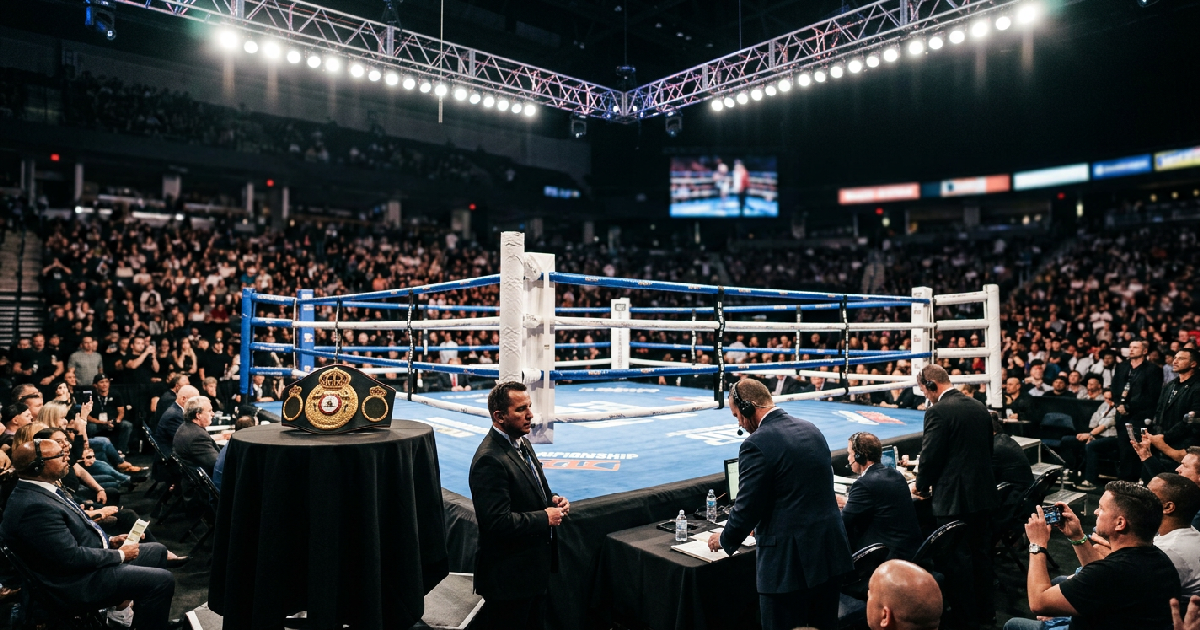
The global boxing calendar is reaching a fever pitch as several major networks and streaming platforms prepare to broadcast a series of high-stakes cards featuring surging contenders and established world champions. From heavyweight showdowns in London to pivotal bantamweight matchups in Asia, the upcoming schedule offer a diverse slate for viewers tuning into DAZN, ESPN+, and various international sports networks.
The timing of these events remains choreographed to accommodate a global audience, with early-morning broadcasts in the Western Hemisphere often focusing on the talent pools in Japan and Australia. As the day progresses, the focus traditionally shifts to European arenas before culminating in major American televised events. This packed itinerary underlines the sport’s current momentum as promoters increasingly lean into cross-platform accessibility to capture a wider demographic of sports fans.
For those tracking the heavy hitters, the spotlight is firmly on the younger generation currently ascending the divisional hierarchies. Many of these athletes are cited among the most dangerous boxers in 2026, bringing a level of knockout power and technical proficiency that has revitalized the weekend viewing experience for casual and hardcore fans alike.
Streaming Services and Major Network Broadcasters
Accessing the major fights this weekend requires a mix of subscriptions, as the fragmented nature of boxing media rights continues. DAZN remains a primary destination for international cards, particularly those originating from Matchroom Boxing and Golden Boy Promotions. Meanwhile, ESPN+ continues to be the home for Top Rank’s stable, often providing coverage of regional titles and domestic eliminators that serve as gateways to major championship opportunities.
Viewers in the United Kingdom and Ireland are looking at a late night, with several domestic cards expected to run into the early hours of Sunday. The terrestrial and satellite split in the UK between Sky Sports and TNT Sports ensures that domestic rivals rarely share a single platform, forcing fans to keep a close eye on the varying start times for main events. Recent strategic shifts in the industry have also seen a rise in “free-to-air” bouts periodically appearing on social media platforms to drive engagement for larger pay-per-view events.
The logistical coordination of these broadcasts is becoming more streamlined. Most platforms now offer “quad-view” or multi-screen options, allowing fans to watch simultaneous cards from different continents. This is particularly useful during heavy weekend schedules where overlapping bouts are a certainty rather than a possibility. To keep up with the volume of boxing content, promoters like Dalton Smith have recently secured their futures with major platforms to ensure consistent visibility.
Heavyweight Clashes and Prospect Development
The heavyweight division continues to be the engine room of the sport’s commercial success. While the world titles are often tied up in lengthy negotiations, current cards feature several fringe contenders looking to force their way into the mandatory challenger positions. The pressure on these fighters is immense, as a single loss at this level can result in years of rebuilding away from the television cameras.
Prospects are also being tested in “step-up” fights. Promoters are increasingly matching their undefeated talents against grizzled veterans who know how to survive and frustrate. For example, young heavyweights like Moses Itauma have shown that the path to a world title involves staying active and overcoming varied styles under the bright lights of major arenas.
International Circuits and Divisional Shifts
Beyond the heavyweight glamour, the lower weight classes are providing some of the most technical displays of the weekend. The super flyweight and bantamweight divisions are especially active, with several Japanese and Mexican fighters headlining local shows that have captured international interest. These divisions are often overlooked by casual fans, but they frequently deliver the most high-volume action found in the sport.
In the women’s ranks, the depth of talent continues to expand globally. The current schedule includes several pivotal matchups that will undoubtedly influence the next set of official rankings. With more women headlining major cards, the landscape of the sport is more inclusive and competitive than it was even five years ago, as noted in recent divisional updates and ranking shifts across multiple weight classes.
The shift toward globalized cards means that a fighter based in one region may find themselves preparing in a completely different environment, such as moving a camp to the United States for better sparring. This nomadic lifestyle is the new norm for top-tier talent seeking the biggest purses and the most prestigious belts. The logistics involved in these training camp relocations and international travel are often as grueling as the fights themselves.
Upcoming Milestones and Seasonal Schedules
Immediate results will set the stage for a massive summer of boxing. Winners from the current slate of main events are expected to be fast-tracked toward lucrative dates in late July and August. Promoters are already looking at the calendar to avoid clashes with other major sporting events, ensuring that boxing retains its premium Saturday night real estate.
As the “four-belt era” continues to dictate the narrative, the pressure on sanctioning bodies to order mandatory defenses is growing. Winners will likely spend their post-fight interviews calling out champions, hoping to capitalize on their momentum and the visibility provided by global broadcasts. The focus remains on title unification and the pursuit of undisputed status, which remains the ultimate goal for the sport’s elite.