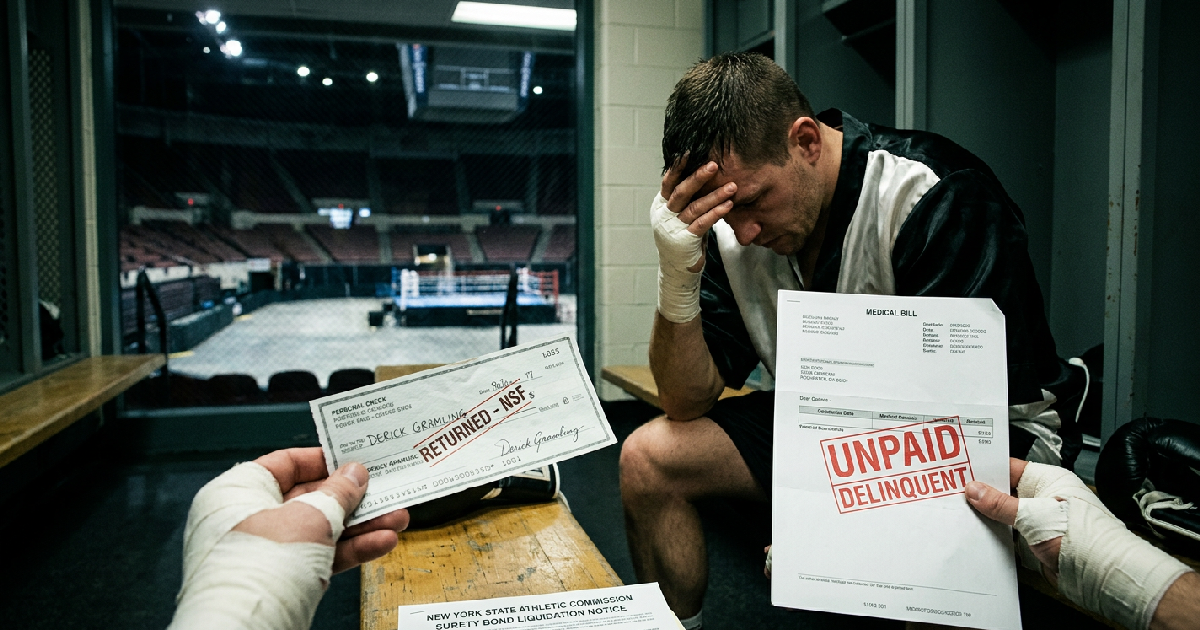
The New York State Athletic Commission (NYSAC) has reportedly suspended the promoter’s license of Derick Gramling following a widespread payment failure at a recent boxing event held at the Blue Cross Arena in Rochester. The “Boxing Extravaganza” card, which took place in April, resulted in numerous participants — including fighters, officials, and medical personnel — receiving checks that ultimately failed to clear due to insufficient funds. The commission is now in the process of liquidating a surety bond to provide at least partial compensation to those left unpaid by the promotional collapse.
According to reports, the evening was marred by administrative tension before the first bell even rang. NYSAC officials reportedly raised concerns regarding the validity of payments being issued by Savage Life Promotions on the night of the event, which led to a significant delay in the start of the fights. While the event eventually moved forward, the financial concerns were validated shortly thereafter when representatives for the headlining fighters confirmed that payments had bounced. The situation is being viewed as one of the most substantial regulatory failures in recent New York boxing history.
Nationwide Suspension Looming for Savage Life Promotions
The administrative fallout for Derick Gramling has been immediate and severe. Following the expiration of deadlines set by the state to rectify the debt, the NYSAC has moved toward a suspension of his promoter’s license. Since major state bodies typically share disciplinary information, such a move effectively bars a promoter from staging events in other jurisdictions. While the commission is working to distribute the liquidated bond, it is widely expected that the funds will only cover a fraction of the total amount owed to the athletes and workers involved in the multi-bout card.
Gramling has attempted to defend the failure by citing issues with the venue. He has alleged that the Blue Cross Arena included unexpected charges in the final billing and claimed that an agreement was in place for the venue to provide payroll funds directly from ticket sales. Additionally, associates of the promotion claimed that the venue’s operations, including ticket doors and concessions, were shuttered earlier than expected, which they argue limited the event’s revenue. However, the NYSAC has remained firm that under state regulations, the responsibility for ensuring fighter payroll rests entirely with the licensed promoter regardless of venue disputes.
The struggle of independent promoters to maintain financial stability is a recurring theme in the sport. While Dalton Smith and other top-tier names often find security with major global promotional outfits, regional promoters frequently operate on thinner margins where a single night of poor ticket sales can lead to insolvency.
Disputed Ticket Sales and Regional Support
A central issue in the financial shortfall appears to be a lower-than-expected turnout for the main event. Promoters suggested that the anticipated “draw” for the headlining fighters did not materialize as hoped. They noted that many fans expected to travel from nearby Syracuse did not attend, and they pointed toward potential failures in the distribution of promotional materials in surrounding areas as a contributing factor. The inability to draw a live gate is a common hurdle for regional shows, particularly when compared to the most dangerous boxers in 2026 who command massive television audiences and guaranteed purses.
Local Rochester fighters, many of whom formed the backbone of the undercard, are among those facing the most difficult path to recovery. Unlike amateur showcases such as the Vernon Clark Invitational, which focus on development without the same overhead costs, professional shows with title sanctions require substantial liquidity. When that liquidity fails, it is often the local prospects who suffer the most immediate financial impact.
Physical Risk and Financial Insecurity for Participants
The situation has been particularly hard on the visiting fighters who traveled long distances for the opportunity to compete. One challenger from the main event reportedly suffered a serious shoulder injury during his bout that required the match to be stopped. Given the nature of the injury, the athlete is expected to face a significant recovery period. For fighters who supplement their boxing income with physical labor, such as construction or tile work, the combination of an unpaid purse and a debilitating injury creates a dire economic situation.
This incident has reignited debates among advocates for fighter safety and financial protection. It highlights the vulnerability of athletes who risk their physical health for promised checks that may never materialize. Prominent figures like Oscar De La Hoya and Nico Ali Walsh have previously addressed the need for stricter enforcement of boxing laws to ensure that fighters are not left destitute by promotional insolvency.
Potential Legal Consequences and Asset Liquidation
In an effort to settle at least some of the outstanding debts, Derick Gramling has reportedly indicated he is looking to liquidate personal assets. This includes potential shares in a local business, as he attempts to raise the necessary funds to satisfy the commission’s requirements. These efforts come as the NYSAC reportedly considers the possibility of turning the case over for further investigation or potential criminal prosecution related to the issuance of bad checks.
The commission’s current priority is the equitable distribution of the surety bond among the claimants, which include the fighters, referees, judges, and ringside doctors. Nevertheless, because the total debt is believed to far exceed the amount of the bond, the payout per person will likely be much smaller than the figures originally stipulated in their contracts.
The events in Rochester serve as a warning for the independent boxing scene. While the NYSAC works to mitigate the damage, the reputation of local boxing in the region has been significantly impacted. For the fighters, the focus remains on whether they will receive any substantial portion of the money they earned in the ring. No definitive timeline has been established for when the commission will complete its audit and release the remaining funds to the affected parties.