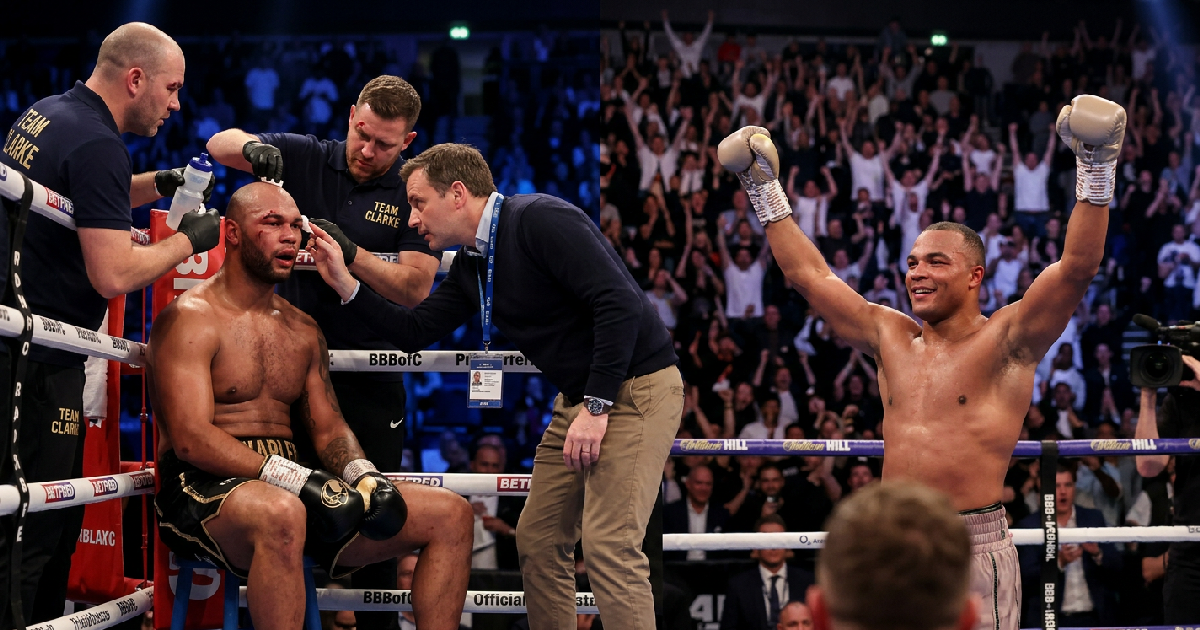
The heavyweight rematch between Fabio Wardley and Frazer Clarke reached a definitive but brutal conclusion in London, sparking an immediate debate regarding fighter safety and the timing of the officiating. Fabio Wardley reportedly secured a victory following a sequence that left his opponent unable to continue, yet the visceral nature of the conclusion has led many observers to question whether the contest should have been halted earlier to prevent unnecessary harm. After their previous encounter ended in a draw, the pressure was high for a clear result, but the physical impact of the ending has dominated the post-fight narrative.
The atmosphere in the arena was electric as both men sought to move beyond the stalemate of their first meeting. However, reports from ringside suggest the competitive parity seen in their previous bout evaporated almost immediately. Fabio Wardley landed a heavy right hand that appeared to cause visible physical damage to his opponent’s face, a moment that shifted the focus from a sporting contest to a matter of immediate fighter welfare. The suddenness of the shift left the crowd and analysts stunned as the momentum swung entirely in one direction.
As the exchanges continued, the disparity in their physical conditions became impossible to ignore. His opponent, usually a resilient and technically sound operator, reportedly found himself unable to respond effectively to the pressure. The finishing sequence saw Fabio Wardley land several more clean shots that appeared to leave his rival visibly compromised. While the official eventually stepped in to end the bout, the timing of that intervention has since become a focal point for those concerned about the responsibility of officials in high-stakes heavyweight boxing.
Heavyweight Safety Concerns and the Referee’s Decision
The core of the controversy lies in the seconds leading up to the final intervention. Boxing is a sport where split-second decisions carry life-altering consequences, and referees must balance a fighter’s chance to recover with the need to prevent permanent injury. In this instance, some observers noted that his opponent showed signs of being distressed well before the final moment. The concern is that allowing a heavyweight to continue while unable to intelligently defend themselves invites unnecessary concussive force.
This debate arrives at a time when the boxing world is increasingly sensitive to the long-term health of its athletes. Officials are under more scrutiny than ever to identify when a boxer is no longer able to protect themselves properly. While Fabio Wardley celebrated a win that cements his status among the most dangerous boxers in the current heavyweight landscape, the aftermath was clouded by the sight of his opponent receiving immediate medical attention for what appeared to be a significant facial injury.
The Physical Toll of Domestic Rivalries
Domestic heavyweight clashes often produce a unique level of intensity because the career implications are so final. For Fabio Wardley, this win reportedly validates his positioning as a legitimate contender for higher titles. For his opponent, the loss is compounded by the physical damage sustained in such a short window of time. Reports following the fight suggested a potential fracture to the facial structure, the kind of injury that can be exacerbated by any additional punches in a late stoppage scenario.
The intensity of these matchups often puts officials in a difficult position where they do not want to prematurely end a major event. However, history has shown that the cost of a delayed stoppage far outweighs the frustration of an early one. The industry is currently watching characters like Dalton Smith and other rising stars who represent the technical future of the sport, where savvy defense is as valued as raw power. Ensuring those technical skills are protected by sound officiating remains a priority for the British Boxing Board of Control (BBBofC).
Broader Implications for Official Oversight in Boxing
The outcome between Fabio Wardley and his opponent will likely serve as a case study for governing bodies during their routine reviews of official performances. There is a growing consensus that at the heavyweight level, where the force of impact is significantly higher, the threshold for a stoppage should be more sensitive. If a fighter’s equilibrium or physical structure is visibly compromised, waiting for a full knockdown may be considered an outdated and dangerous practice.
Beyond the immediate officiating, the fight also highlights the pressure on trainers and cornermen. The philosophy of protecting a fighter from themselves is sometimes at odds with the competitive culture prevalent in many boxing gyms. While Fabio Wardley deserves credit for his clinical execution and power, the focus remains on ensuring that all participants can leave the ring with their health intact. This is particularly relevant as the sport continues to deal with external pressures and narratives, such as the fallout from past business associations that have previously distracted from the primary concern of athlete safety.
Future Path for Fabio Wardley and the Heavyweight Division
Fabio Wardley now looks toward a potential step up in competition. His ability to end a fight with a single sequence has made him a promotional asset and a person of interest for international broadcasters. The clarity of this victory reportedly removes the need for further domestic domestic rematches and allows the Ipswich man to focus on international opportunities in the coming year. His team will likely be scanning the top ten rankings for his next move.
For his opponent, the path back is expected to be more arduous and will begin with a mandatory period of medical recovery. At this stage of his career, a loss of this nature requires deep reflection and a complete clearance from specialists. The heavyweight division is notoriously unforgiving, and the physical toll of this rivalry may dictate his future involvement in the sport. The hope within the boxing community is that he is given the time and space to heal properly before any decisions regarding his return to the ring are made.
Frequently Asked Questions
Why was the timing of the stoppage in the Wardley fight questioned?
Critics and medical observers expressed concern that the referee waited too long to intervene after Wardley’s opponent appeared to sustain a visible facial injury. The debate centers on whether the fight should have been halted as soon as the fighter was unable to intelligently defend himself against heavy shots.
What injuries were reported following the heavyweight bout?
While official medical records remain private, reports following the match indicated that Wardley’s opponent suffered a significant injury to his facial structure, likely involving a bone fracture. He was seen receiving immediate ringside medical assistance before being transported for further evaluation.
What does this result mean for Fabio Wardley’s career?
The victory is expected to move Fabio Wardley into a position where he can challenge for major international titles. By following up a draw with a decisive stoppage win, he has established himself as one of the leading names in the heavyweight division outside of the world title holders.