
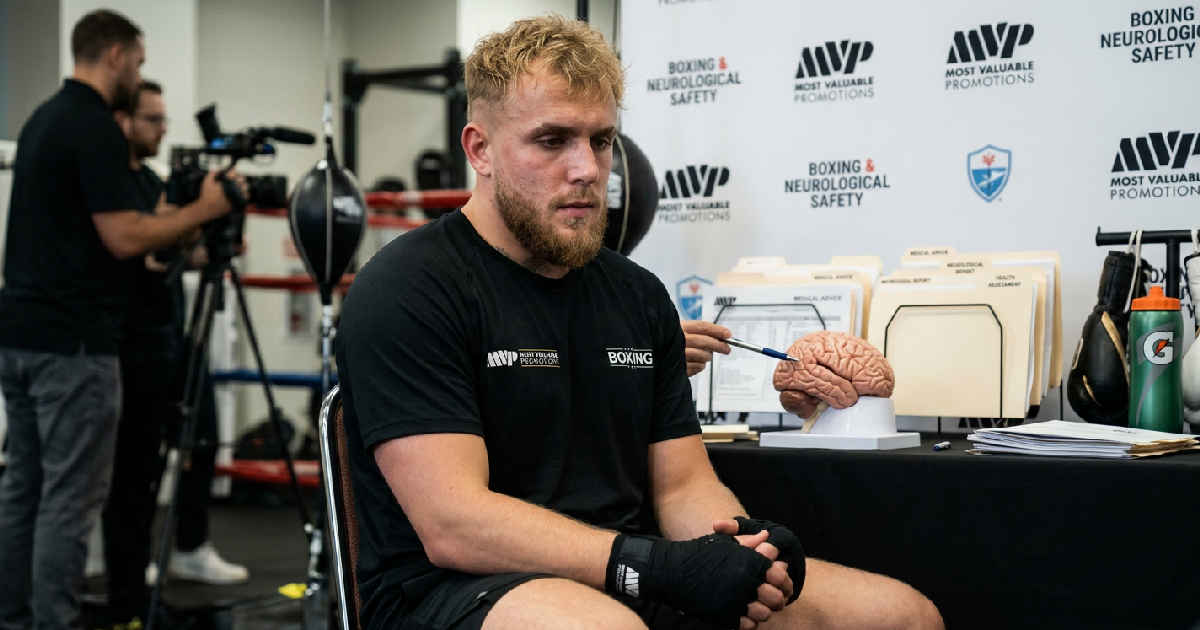
The professional boxer and entrepreneur Jake Paul has indicated that medical advice could lead to an early departure from the ring, stating that his doctor has advised him to stop competing due to the cumulative physical toll of the sport. During a recent media appearance, Paul admitted that while he remains focused on his current training schedule, the underlying health concerns raised by his medical team have cast uncertainty over his long-term future as an active fighter.
The American cruiserweight, who transitioned into a lucrative combat sports career after establishing a massive global following online, indicated that neurological health is at the heart of these discussions. According to his recent statements, medical professionals have expressed worry over the potential for long-term damage if he continues to take punishment from professional-level opponents. This development arrives as Paul was reportedly looking to increase the level of his competition in the coming months.
And while he has frequently been discussed among the most dangerous boxers in the current market in terms of commercial draw and punching power, the biological reality of the sport appears to be catching up with him. Paul has previously been open about experiencing issues with memory, symptoms often associated with repeated head trauma in high-contact sports. Professional boxers are required to undergo rigorous neurological testing, and it appears the latest round of evaluations has prompted his medical team to suggest a permanent departure from the squared circle.
Medical Warnings and Fighter Safety Protocols
The intersection of health and commercial success represents a precarious balance in professional boxing. Paul’s admission follows years of high-impact training and several high-profile bouts against former mixed martial arts champions and seasoned pugilists. This news has sparked a wider conversation about the medical oversight governing celebrity-driven events and the safety of athletes who enter the sport at a later stage in life.
According to the Association of Boxing Commissions (ABC), medical disqualifications or recommendations to retire are common at the local level, but it is rare for a fighter of Paul’s stature to publicly discuss a doctor’s recommendation to quit. Most fighters keep such warnings private to avoid losing their licensing or leverage in contract negotiations. By speaking out, Paul may be setting a new precedent for transparency regarding the neurological risks inherent in the sport.
But the news regarding Paul’s medical status also puts additional pressure on athletic commissions and governing bodies. There is a growing movement within the United States to standardize the health requirements for professional fighters, especially those who come from non-traditional backgrounds. Some industry veterans, including Oscar De La Hoya and Nico Ali Walsh, have recently cautioned lawmakers about the complexities of changing boxing laws without fully understanding the impact on fighter safety.
The Future of Most Valuable Promotions
The medical advice Paul is receiving could fundamentally reshape his business ventures in the combat sports industry. Even if he retires from active competition, he remains a powerhouse on the promotional side of the business. His company, Most Valuable Promotions (MVP), has been active in signing high-caliber talent as part of a wider recruitment drive in the women’s divisions. Reports indicate that Evelin Bermudez is expected to be a part of the roster expansion, highlighting Paul’s shift toward a permanent executive role.
Transitioning to a full-time promoter might be the only way he can stay in the sport without further risking his health. Despite the medical warnings, Paul has not yet officially vacated his upcoming fight dates. The boxing community is now watching to see if his next appearance will serve as a farewell performance or if he will opt for exhibition matches with modified rules to mitigate the risk of trauma while still capitalizing on his massive audience.
The financial implications are significant for both the athlete and the networks involved. Paul is a major earner in the combat sports world today, and a sudden retirement would leave a void in the pay-per-view market. Regardless of his final decision, the narrative has shifted from who the “Problem Child” will fight next to whether he should ever fight again.
Frequently Asked Questions
Why did Jake Paul’s doctor advise him to stop boxing?
According to reports, Jake Paul’s medical team is concerned about the long-term impact of head trauma and potential neurological damage. Paul has mentioned experiencing signs of memory loss, which has prompted doctors to suggest his health could be at serious risk if he continues to participate in professional bouts.
Will Jake Paul cancel his upcoming scheduled fights?
As of now, Jake Paul has not officially withdrawn from his upcoming engagements. While he has expressed doubts about his long-term future, he appears to be weighing the medical advice against his current career goals. Any official cancellation would likely be announced through his promotional company, Most Valuable Promotions.
Could Jake Paul stay in boxing as a promoter instead of a fighter?
It is likely that Paul would transition into a full-time promotional and managerial role if he retires from fighting. Through MVP, he already manages several world-class athletes and has established relationships with major networks, suggesting he will remain a figure in the boxing business regardless of his status as an active competitor.