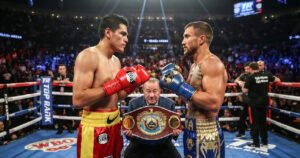
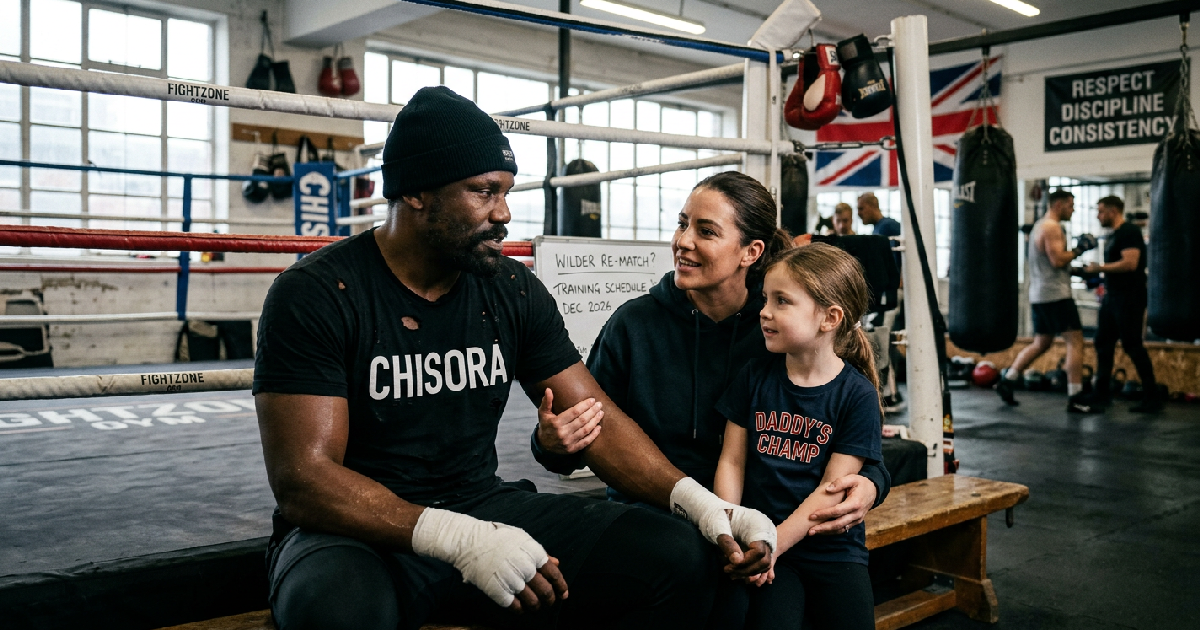
Professional heavyweight Derek Chisora has reportedly secured permission from his family to continue his boxing career, paving the way for a potential high-stakes rematch against the American former world champion Deontay Wilder. The veteran fighter, widely recognized for his relentless pressure and durable presence in the heavyweight division, had faced persistent questions about a possible retirement following a series of grueling encounters in recent years.
The decision represents a significant pivot for the long-standing contender, whose future appeared uncertain to many observers. According to reports sourced from Boxing Scene, the primary hurdle for the heavyweight was not his personal motivation or physical readiness, but the deep concerns of his wife regarding his long-term health. Having now reportedly received her blessing to compete again, the fighter is seemingly focused on a return to the ring to settle the score with the “Bronze Bomber.”
This development comes as the global heavyweight landscape undergoes rapid shifts. While there is often a push for older veterans to step away, the London-based brawler remains a major draw for broadcasters and live audiences alike. His willingness to face a puncher as dangerous as Deontay Wilder suggests he still views himself as a competitive force capable of mixing with the top 10 most dangerous boxers currently active today.
Domestic Approval and the Veteran’s Mental Guard
For a fighter of his experience, the path back to the ring was always going to involve a domestic negotiation. He has been vocal in the past about the internal conflict between his passion for the sport and the responsibilities he feels toward his household. The physical toll of a career that has spanned several eras of boxing is significant, and his wife’s previous reluctance was reportedly rooted in the visible damage sustained during championship-level bouts.
But the competitive fire appears undiminished. By securing his family’s support, he removes the largest mental barrier to a comeback. This isn’t merely about another payday for the veteran; it’s about a fighter who believes he has the tactical blueprint to neutralize the explosive power of Deontay Wilder. It mirrors the resilience seen in other veteran heavyweights, such as David Price evaluating Tyson Fury and the general longevity required at the elite level.
And so, the focus now shifts to the logistical hurdles. While the blessing from home is a vital first step, the commercial and promotional machinery must align to bring two of the division’s biggest personalities together for a second time. The heavyweight division often moves slowly, but the narrative of a family-approved “last dance” provides a compelling hook for promoters.
Stylistic Clashes and Career Stakes
The veteran has made a career out of defying expectations. Whether engaged in storied domestic rivalries or facing world-class international opposition, he has consistently proven to be a durable presence who frequently exceeds the “gatekeeper” label. His style relies on closing the distance and making the fight uncomfortable, a tactic that some analysts believe is the only way to disrupt a rangy, back-foot counter-puncher like Deontay Wilder.
Strategic implications for both men are high. Both fighters are at a point where a victory is essential to remain relevant in the conversation for major titles. While Deontay Wilder has faced his own challenges with consistency in recent outings, he remains one of the most feared names in the sport. For the veteran Londoner, securing a win against the Alabamian would likely be the most significant achievement of his later career.
Commercial Reality in the Heavyweight Division
The return of the man often called “Del Boy” adds another layer of intrigue to the current mix. His presence ensures that major cards remain lucrative and exciting for global audiences. While some critics argue that the sport should prioritize younger prospects, the reality is that established names sell tickets. This news highlights how veteran fighters are increasingly managing their final years in the ring on their own terms, much like Dalton Smith securing his long-term future through careful career management.
Deontay Wilder finds himself at a similarly critical juncture. After a series of lackluster performances and high-profile losses, the American needs an opponent who brings both name value and a style that allows him to find his rhythm. The stylistic clash—a marauding pressure fighter against a explosive puncher—is classic boxing drama that appeals to both purists and casual fans.
Frequently Asked Questions
Why was family approval required for this return?
The veteran heavyweight has previously stated that his wife held significant concerns regarding the cumulative physical impact of his long career. He reportedly chose to wait for her blessing before committing to another training camp to ensure his return did not cause unnecessary family distress.
Is the Deontay Wilder rematch officially scheduled?
No, a formal date or venue has not yet been confirmed by promoters. While reports indicate that the fighter has received domestic clearance to pursue the bout and that there is mutual interest, a signed contract has not been publicly announced at this time.
What makes this potential rematch different from previous bouts?
Both heavyweights are entering the twilight of their careers where a loss could signal the end of their time at the elite level. Unlike their earlier meetings or prospects, both men are now fighting for their professional survival in the division, adding a “do-or-die” element to the potential encounter.