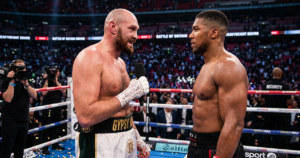
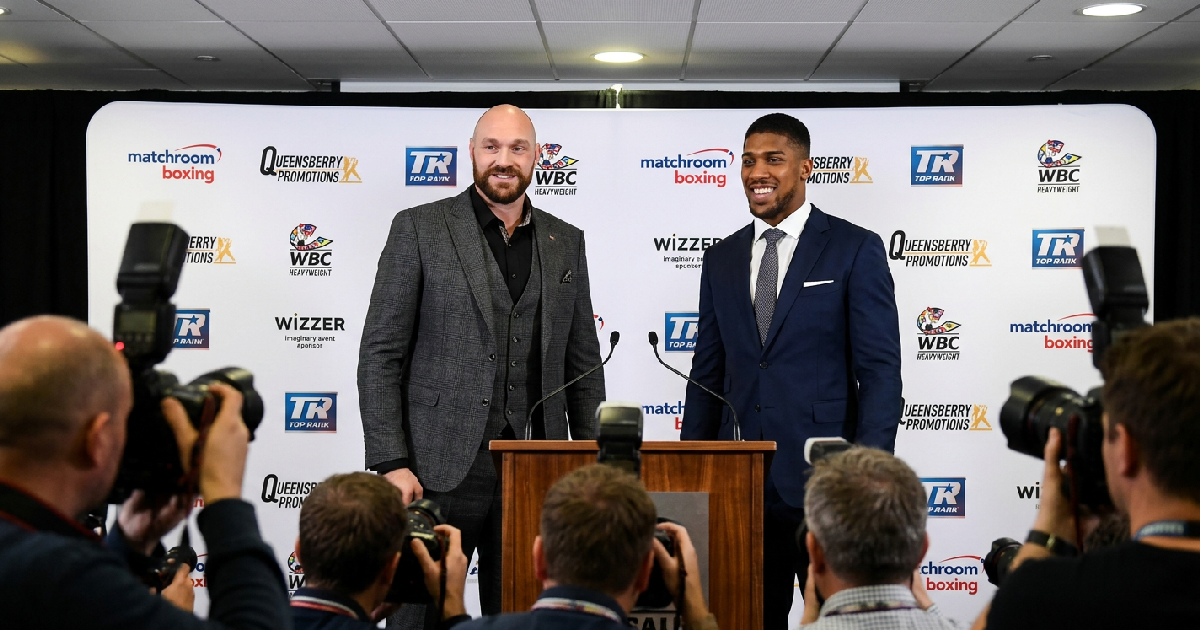
The prospect of an all-British heavyweight showdown between Tyson Fury and Anthony Joshua continues to linger over the sport, acting as a constant undercurrent to nearly every major move in the division. Despite various rounds of discussions over several years and significant public interest, the matchup remains one of the most discussed yet unfulfilled possibilities in modern boxing history.
Recent industry chatter suggests that there may be renewed interest in revisiting the terms for this clash. While the primary figures in the heavyweight category are currently occupied with their own immediate career paths, the commercial appeal of a Fury-Joshua bout is reportedly viewed by promoters as a unique opportunity that remains viable regardless of the surrounding championship landscape. However, the path to a signed contract has historically been obstructed by a variety of organizational and personal hurdles.
Challenges Facing the Negotiation Process
One of the recurring difficulties in bringing these two together involves the heavy demands of governing bodies and the existing commitments of both fighters. As heavyweight schedules tighten and various organizations seek to clarify their mandatory challenger positions, the window for a non-title or cross-promotional bout is frequently described as limited. This complexity is often cited as a primary reason why previous attempts to finalize the fight have stalled.
While the potential revenue for such an event is assumed to be significant, the disagreements typically stem from operational details. Issues such as broadcast rights between rival networks, the selection of a host venue, and the precise split of the purse have reportedly derailed past talks. Joshua has spent the recent period attempting to maintain his position in the top tier of the rankings, while Fury has maintained a reputation for being an unpredictable negotiator, frequently changing his stance on his future in the ring.
Strategic Moves and Market Positioning
Promoter Eddie Hearn has long been a vocal proponent of the fight, often suggesting that it remains the ultimate goal for his side of the table. In the interim, Joshua has remained active, seeking to keep his skills sharp and his public profile high. This approach is frequently interpreted as an effort to ensure he is prepared should the opportunity to face Fury finally materialize in a way that satisfies all parties involved.
Hearn has often indicated that Joshua is open to the terms offered, but the public messaging from both camps tends to involve a significant amount of finger-pointing regarding who is responsible for the ongoing delays. To ensure his fighter remains a key player in the division while these high-level negotiations simmer, Eddie Hearn identified two former champions as potential future opponents for Joshua, highlighting a strategy of staying relevant despite the uncertainty surrounding the “superfight.”
The Evolving Heavyweight Landscape
The entry of new financial powers and promotional entities has further complicated—and perhaps facilitated—the potential for such a massive event. The increasing influence of international backers has shown a capacity to bring together rival promoters who might otherwise never share a stage. These entities have reportedly been able to provide the financial infrastructure necessary to bridge the gap between competing broadcast and promotional interests.
The wider heavyweight ecosystem is also seeing a shift in its power dynamics and allegiances. For example, recent developments such as Otto Wallin signing a promotional deal with new entrants in the boxing space suggest that the market for top-tier heavyweights is becoming more competitive and fragmented. Any eventual agreement between Fury and Joshua would need to navigate these shifting promotional ties and the contractual obligations that come with them.
Looking Toward a Potential Agreement
Speculation within the industry periodically points toward the possibility of a multi-fight arrangement. Such a deal would reportedly look to maximize the event’s reach by alternating venues or hosting successive bouts in different global territories. This structure is often discussed as a way to satisfy the massive financial requirements of the fighters while still honoring the demand for a major event on British soil.
But seasoned observers of the sport remain cautious. History has shown that in boxing, no fight is certain until the opening bell sounds. For the time being, the matchup between Fury and Joshua remains the primary focal point for fans and media alike—a long-promised encounter that represents a significant milestone for this era of the heavyweight division, should the various parties ever reach a final consensus. If the fight eventually moves forward, it is expected to be a career-defining moment for both men, regardless of the specific titles that may or may not be at stake.