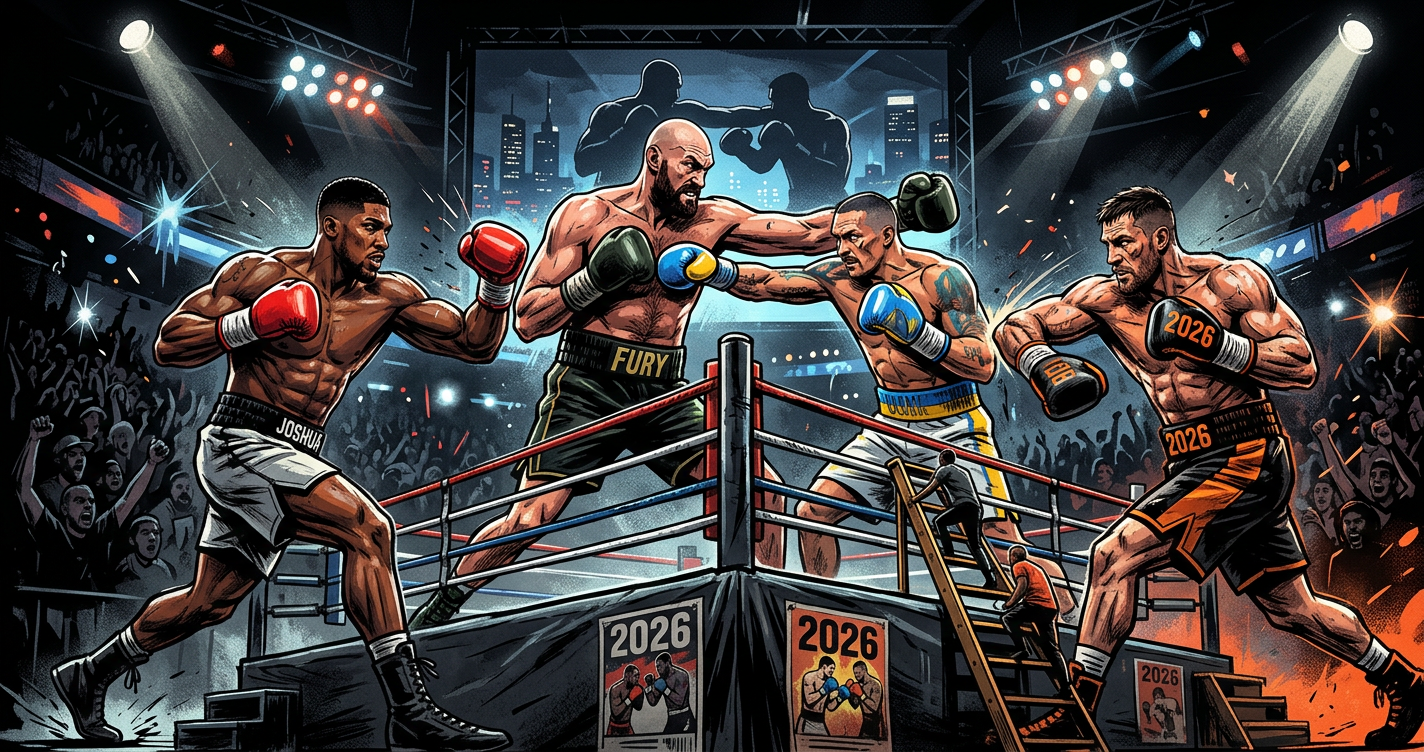
The heavyweight division remains the focal point of the boxing world as 2026 unfolds, but the chatter isn’t just about the current champions. Recent comments from high-profile figures in the sport have reignited the debate over who truly governs the blue-ribbon weight class. While Oleksandr Usyk and Tyson Fury have spent the last few years trading belts and barbs, the shadow of former champions and the rise of new contenders continue to shift the narrative.
Evaluating the Heavyweight Hierarchy
In recent discussions regarding the state of the division, analysts have been forced to look beyond the immediate title holders. The landscape has become increasingly crowded. Names like Anthony Joshua and Deontay Wilder, once the undisputed faces of the division, now find themselves in positions where they must fight to reclaim their former glory. Joshua, in particular, has been firm about his trajectory, recently moving to dismiss speculation regarding a summer rematch with Dillian Whyte, opting instead to focus on world title aspirations.
The sentiment among trainers and insiders is equally split. Malik Scott, the head trainer for Deontay Wilder, has been vocal about the shifting dynamics. Scott has suggested that while new blood is entering the fray, the experience of the “old guard” cannot be discounted. His recent analysis of the division touched upon the perceived decline of Tyson Fury and the potential for a Wilder comeback, highlighting that the division’s stability is often a matter of perspective rather than undisputed fact.
Promoter Influence and Future Matchups
The power struggle isn’t confined to the ring. Promoters and pundits continue to clash over which path leads to the biggest commercial and sporting success. The ongoing debate between media personalities often reflects the frustration of fans who want to see the best fight the best without the interference of sanctioning bodies or stalled negotiations. For instance, the clash between Simon Jordan and Martin Keown serves as a microcosm of the broader disagreements regarding how the heavyweight future should be handled.
And then there is the looming presence of cross-sport ventures. Rico Verhoeven, the kickboxing standout, reportedly turned down a larger MMA payday specifically to pursue a bout with Oleksandr Usyk. This move underscores the prestige that still accompanies the heavyweight boxing crown, even as mixed martial arts and crossover bouts attempt to siphon off the audience.
The Road to Undisputed Status
As we move through the second quarter of 2026, the focus remains on unification. The politics of boxing—specifically the role of sanctioning bodies—continue to provide hurdles. We saw this recently when the WBO declined to sanction specific high-stakes matchups in other divisions, a trend that heavyweights hope to avoid. For the fans, the “Bron, Bron, Bron” era is about dominance and the search for one true king to sit atop the mountain.
Frequently Asked Questions
Who is currently considered the top heavyweight in the world?
While rankings vary between the major sanctioning bodies, Oleksandr Usyk and Tyson Fury remain the primary figures at the top. However, the pound-for-pound lists often favor Usyk due to his technical mastery across two weight classes.
Is Anthony Joshua likely to fight for a world title in 2026?
Yes, Joshua has made it clear that his goal is to become a three-time world champion. By avoiding domestic grudge matches that don’t offer a belt, he is positioning himself for a final run at the top of the rankings later this year.
Will we see more crossover fights involving heavyweights?
The trend appears to be holding steady. With athletes like Rico Verhoeven seeking matchups with traditional boxers, the barrier between disciplines is thinner than ever, though purists continue to demand elite-level boxing matchups over spectacles.