
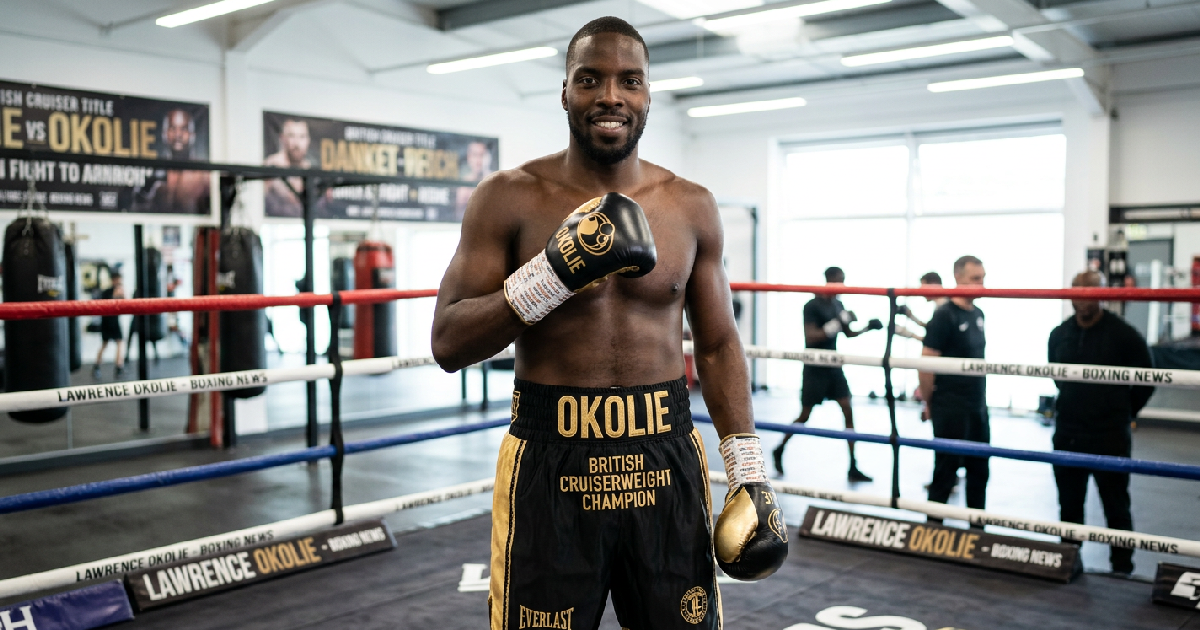
Professional cruiserweight Lawrence Okolie has reportedly addressed accusations of foul play following recent discussions regarding his conduct in the ring, maintaining that he has not cheated during his career. The British fighter, who has expressed interest in moving through different weight divisions, spoke out against the mounting criticism concerning his clinching and physical style that has frequently divided opinion among fans and analysts.
The former world champion is currently navigating a period of career transition. While his ring craft has sometimes drawn the attention of referees and opponents, the London-born fighter maintains that his tactical approach remains consistent with his interpretation of the sport’s regulations. The dispute highlights the ongoing tension between effective, defensive-minded tactics and the aesthetic expectations of the boxing public.
For Lawrence Okolie, protecting his professional reputation is essential as he surveys the current championship landscape. He suggests that the physicality he brings to his bouts is a calculated part of the professional game, intended to neutralize the strengths of his rivals. However, the frequency of grappling in his past performances has led some observers to question the boundary between veteran craft and excessive holding.
The Debate Over Ring Tactics and Officiating
In the professional ranks, the distinction between a “roughhouse” style and genuine rule-breaking often rests on the interpretation of the officiating referee. Lawrence Okolie has frequently found himself at the center of these debates, particularly in bouts where his reach and physical strength allow him to smother an opponent’s offensive work. Reports indicate he views the lack of past disqualifications as evidence that his methods remain within the bounds of legal competition.
Critics of this style argue that excessive holding disrupts the rhythm of a contest and can be used as a strategic tool when a boxer is facing high pressure. This defensive mindset is common among those aiming to survive against heavy hitters, a theme often discussed when identifying the top 10 most dangerous boxers 2026. In many cases, staying competitive against elite finishers requires a fighter to utilize every available physical advantage.
Regulatory Standards and the Role of the Referee
The primary responsibility for managing ring conduct lies with the referee, whose job is to prevent the very tactics currently being debated. If a fighter is permitted to hold without receiving point deductions, the focus of the criticism often shifts from the athlete to the official in charge. Lawrence Okolie has suggested that as long as he follows the specific instructions provided by officials before and during a fight, he is fulfilling his role as a professional athlete.
This situation echoes broader conversations within the industry about how matches are regulated and the need for more uniform standards. For instance, the De La Hoya and Ali Walsh boxing law warning highlighted the importance of oversight to maintain the sport’s integrity. Without consistent enforcement of the rules against holding and leaning, certain fighters may continue to operate in the gray areas of the rulebook to secure victory.
Navigating New Weight Classes and Public Perception
Looking ahead, Lawrence Okolie is reportedly focusing on the bridgerweight division, a relatively new weight class situated between the cruiserweight and heavyweight limits. This move is expected to help him utilize his natural frame more effectively while avoiding the more strenuous weight-cutting processes that can impact a fighter’s stamina in the later rounds. By competing against larger opponents, his physical style may face new challenges that could alter how his tactics are perceived by the public.
Successfully moving between divisions requires more than just physical preparation; it often involves managing a fighter’s public narrative. To achieve further championship success, he will likely need to address various labels that have followed him since his earlier days in the sport. His recent comments suggest he is prepared to defend his methodical approach if it continues to deliver results at the highest levels of competition.
The heavyweight landscape also remains a point of interest for the former champion. While he currently campaigns at a lower weight, the prospect of moving into the sport’s most famous division is often discussed by analysts. Many compare his career path to other major names who have used unique styles to reach the top. For further context on how veteran form impacts the heavyweight division, the David Price Tyson Fury comeback analysis provides a look at how experience and tactics shape the current title outlook.
Legacy and the Efficiency of Defensive Boxing
Ultimately, the legacy of Lawrence Okolie will be defined by the titles he secures and the caliber of the opponents he masters. While his style is not always optimized for entertainment, his history as a champion in the cruiserweight division serves as a testament to the effectiveness of his approach. He has remained steadfast in his belief that securing a win is the most important factor in such a demanding sport.
Whether the boxing community eventually embraces his specific brand of tactical boxing remains an open question. For now, Lawrence Okolie appears content to rely on his results, even as he periodically defends his methods against those who advocate for more action-oriented spectacles in the ring.
Frequently Asked Questions
Why has Lawrence Okolie faced criticism regarding his style?
Accusations often center on his frequent use of clinching and leaning against opponents during high-stakes matches. Critics argue these tactics slow down the pace of a fight and prevent opponents from landing clean shots, though the fighter himself asserts that these are legitimate defensive strategies allowed under official supervision.
What division is Lawrence Okolie currently targeting?
Following his tenure as a world cruiserweight champion, Lawrence Okolie is reportedly focusing on the bridgerweight division. This weight class is specifically designed for fighters who exceed the cruiserweight limit but may be naturally smaller than the giants who currently dominate the top of the heavyweight rankings.
How does Lawrence Okolie justify his ring tactics?
He maintains that his primary objective is to win while minimizing the punishment he receives. He has indicated that as long as his actions are not penalized by the referee, he considers his tactical choices to be a professional necessity within the rules of prize-fighting.