
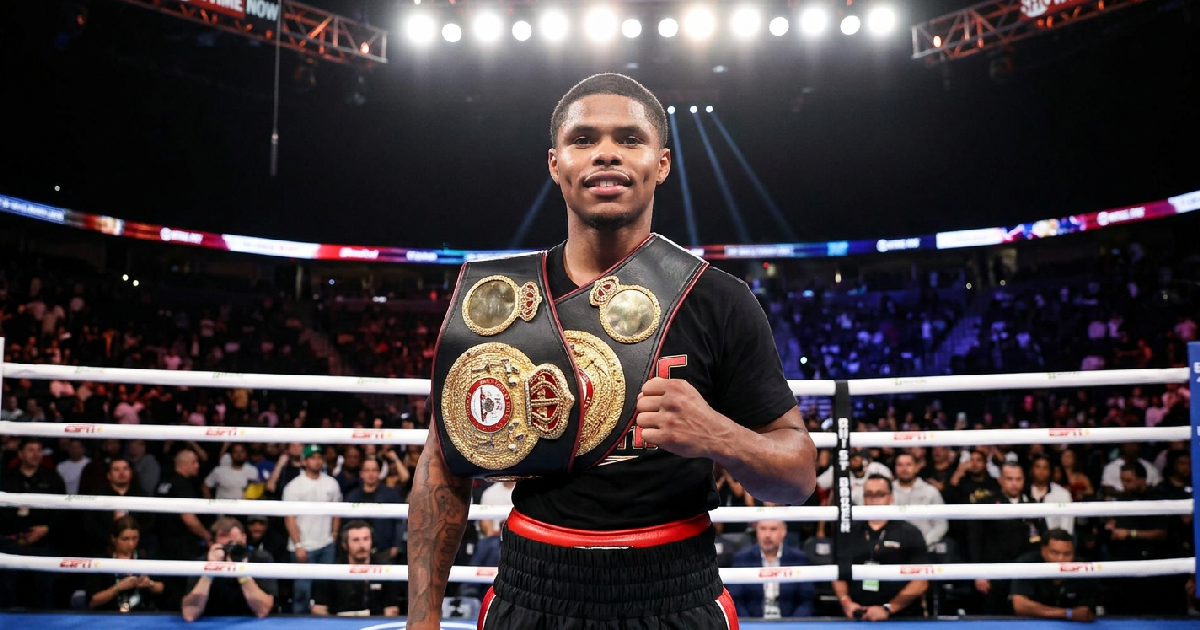
Shakur Stevenson is reportedly emerging as a central figure in the strategic planning of Zuffa Boxing as the company seeks to establish a firm foothold in the professional pugilistic market. According to recent industry reports, the champion could sign with the Dana White-led venture, providing the brand with a high-level centerpiece to anchor its initial slate of boxing events. This potential alignment follows months of speculation regarding how Zuffa Boxing—the combat sports arm of the UFC’s parent company—will differentiate itself from established promotional rivals.
Stevenson, a technical talent known for his defensive skills, currently finds himself in a pivotal career stretch as a free agent. As he explores the market, the prospect of joining a well-capitalized entity like Zuffa offers a different trajectory compared to traditional boxing paths. Professional observers suggest that the move would not only provide Stevenson a massive individual platform but also give Zuffa immediate credibility in a sport where top-tier athletes are notoriously difficult to recruit.
The timing of these discussions is noteworthy as it coincides with a broader shift in boxing’s promotional hierarchy. While some promoters have focused on long-term developmental deals, others have prioritized securing talent through extended contract renewals to block competitors from entering the space. A prominent example of this trend is how Dalton Smith secured his future with a long-term promotional extension recently. If Stevenson joins the Zuffa fold, he would likely become the face of a new era that seeks to replicate the streamlined, high-production model of the UFC within the ring.
Shakur Stevenson as the Cornerstone of a New Boxing Model
Zuffa’s interest in Stevenson reflects a desire to move beyond the experimental phase and into the heart of the championship landscape. Stevenson offers more than just title recognition; he provides a demographic bridge and a competitive resume built against various professional opponents. By centering their efforts on a fighter of his caliber, Dana White and his executive team are signaling that they are interested in the upper echelon of the sport.
But the move is not without its critics. Traditionalists argue that the boxing market is already crowded and that a Zuffa-led venture could complicate an already fractured sanctioning body system. There is also the matter of matching Stevenson against other prominent figures in the lightweight and junior welterweight divisions. His presence on a Zuffa roster would require level of cross-promotional cooperation that has historically been a significant hurdle in the sport.
Challenging the Established Promotion Order
The potential entry of Stevenson into the Zuffa fold comes at a time when major players are aggressively defending their turf. We have seen recent instances where Matchroom Boxing moved to block Zuffa threats by locking down established champions on exclusive deals. This defensive maneuvering highlights the disruption that Dana White’s reputation and financial backing bring to the table.
For Stevenson, the appeal of Zuffa likely lies in the promotional muscle behind the UFC brand. The ability to cross-promote during major mixed martial arts events provides a marketing reach that few boxing-only promoters can replicate. It represents a shift from the old model of boxing to a more integrated sports entertainment approach where the platform is as recognizable as the athlete.
Potential Matchups and Commercial Implications
If the partnership solidifies, the immediate question becomes who Stevenson faces next in his career. Fans are keen to see the Newark native in against the winners of other major promotional camps. A Zuffa backing could potentially simplify negotiations for major events if the company opts to cooperate with other global entities, though Zuffa has historically preferred to keep its athletes under a single banner.
Should Stevenson move to Zuffa, he would find himself in a unique position among the most dangerous boxers currently dominating the sport. He lacks the raw power of some of his contemporaries, but his ability to avoid being hit remains a signature of his style. This technical approach is exactly what Zuffa would need to sell to a wider audience: a masterclass in the “sweet science” backed by a mainstream marketing machine.
Looking ahead, the success of this potential deal could dictate whether other elite free agents follow suit. If Stevenson thrives and secures the high-profile matches he has sought, Zuffa Boxing could quickly become a destination of choice. For now, the industry remains on high alert, waiting to see if or when an official transition is announced.
Frequently Asked Questions
Is Shakur Stevenson officially signed to Zuffa Boxing?
Currently, there has been no official announcement confirming a signed contract between Shakur Stevenson and Zuffa Boxing. The two parties are reportedly in discussions, and industry experts view Stevenson as a prime candidate for the promotion’s expansion, but both sides have remained tight-lipped regarding a final deal.
What does Zuffa’s involvement mean for the future of boxing?
Zuffa’s entry into boxing suggests a more centralized and streamlined way of managing events. This could lead to more consistent schedules and high-production value broadcasts, though it faces hurdles in cooperating with existing sanctioning bodies and rival promoters who control much of the sport’s talent.
Who would Shakur Stevenson likely fight if he joins Zuffa?
While no specific fights are set, Stevenson is expected to target the top names in the lightweight and super-lightweight divisions. Potential opponents could include the biggest names currently affiliated with other major promotions, provided that Zuffa is willing to engage in the cross-promotional deals necessary to make those fights happen.