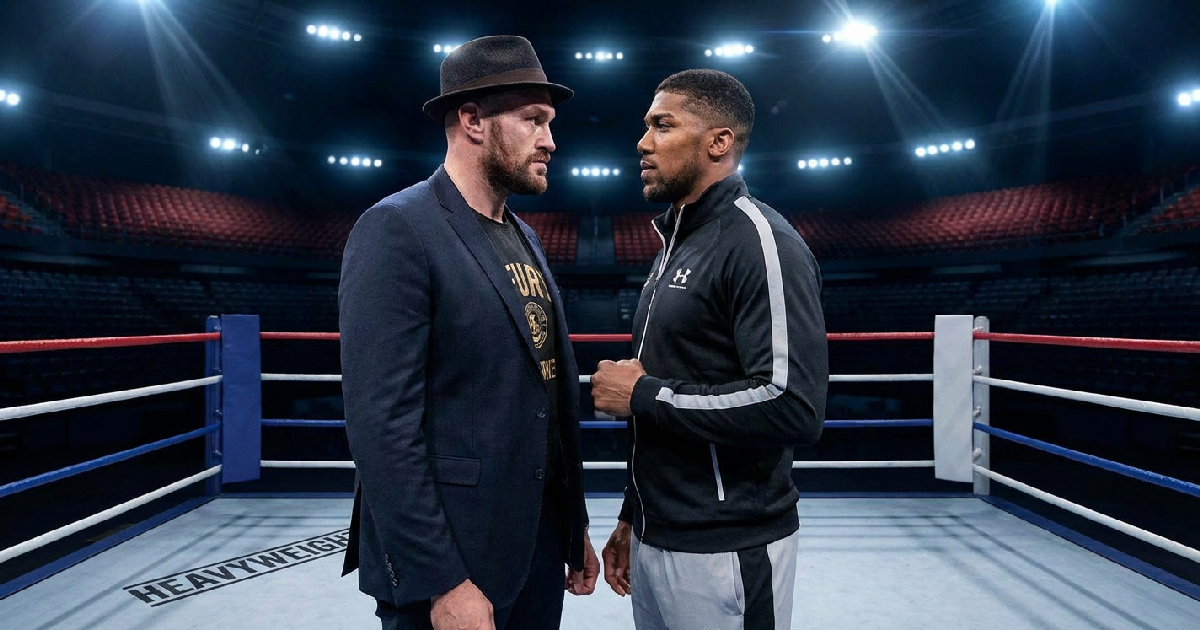
The long-standing rivalry between Tyson Fury and Anthony Joshua remains the most discussed matchup in British boxing history, even as both men navigate the current complexities of the heavyweight landscape. Despite various roadblocks over the years, including failed negotiations and shifting promotional priorities, the desire to see these two icons share a ring has not cooled. Sources close to the situation suggest that Fury still views a clash with Joshua as a career-defining necessity before he considers walking away from the sport.
The Persistent Allure of the Battle of Britain
For most of the last decade, boxing fans have been teased with the prospect of a high-stakes domestic showdown between Fury and Joshua. While other matchups have come and gone, this specific pairing holds a unique cultural weight in the United Kingdom. It is a fight that doesn’t necessarily require a world title to sell out a stadium; the personal grudge and the clash of styles provide enough narrative fuel to sustain public interest through multiple delays.
Speculation regarding a potential window for the fight often points toward the latter stages of the year, though no firm dates have been established. This comes as heavyweight rankings change following a packed schedule, reportedly forcing top contenders to reconsider their path toward the division’s top prizes. For Fury, a fight with Joshua isn’t just about the financial returns — though the figures would likely be significant — it is about settling a North-South divide that has split British fans for years.
Navigating Promotional and Sanctioning Hurdles
The primary barrier has always been the complexity of modern boxing politics. With different broadcasters and promoters involved, aligning the schedules of two of the wealthiest athletes in the sport is no small feat. However, the emergence of major investment in the sport has smoothed over many of these previous friction points. We’ve seen similar high-profile deals recently, such as when UFC owners entered the boxing space to facilitate major cross-promotional events.
Fury’s renewed interest in the Joshua fight may also be a reaction to the rising crop of young heavyweights. As the veteran guard continues its tenure, the window for a legacy fight between the two established icons is narrowing. Joshua, who has recently worked on refining his technical approach, appears willing to accept the challenge, provided the terms reflect his standing as a global box-office draw. But as with all things in the heavyweight division, the situation remains fluid.
Heavyweight Style Comparison
| Feature | Tyson Fury | Anthony Joshua |
|---|---|---|
| Fighting Style | Technical Switch-Hitter | Power Puncher / Athletic |
| Stance | Orthodox / Southpaw | Orthodox |
| Key Rivalry | Deontay Wilder | Oleksandr Usyk |
Matching the Old Guard with the New Generation
While Fury and Joshua remain focused on one another, the rest of the division isn’t standing still. The upward trajectory of domestic prospects has put pressure on the established superstars to either face each other or risk being overtaken by younger, hungrier talents. For instance, the rise of powerful newcomers was recently highlighted in the heavyweight division when Moses Itauma faced Jermaine Franklin, a result that signaled a potential shift toward the next crop of contenders.
If the fight is to happen, the consensus among industry insiders is that it must take place while both remain competitively relevant. Fury’s mobility and Joshua’s explosive power are the central components of the intrigue. Should one of them suffer a significant loss in a preliminary bout, the luster of the eventual meeting could diminish, though history suggests British fans would still support the event regardless of the hardware on the line.
Future Outlook
The roadmap for the coming months involves several key negotiation windows. Rumors persist that a multi-fight deal — potentially split between London and international locations — is the most likely framework for an agreement. This would allow both men to maximize their visibility while ensuring the domestic crowd gets to witness the spectacle on home soil.
And so we wait. The boxing world has been here before, standing on the precipice of a signed contract only for a disagreement over a rematch clause or a broadcast rights split to derail the progress. But with both fighters now publicly acknowledging that their careers are in their later stages, there is a renewed sense of urgency that has been missing in previous talks.
Frequently Asked Questions
Why has this fight taken so long to happen?
It has reportedly been a mix of timing, promotional disputes, and mandatory title defenses. Every time it seemed close, one fighter either took a different bout or a sanctioning body ordered a defense that took precedence.
Would a loss for either man cancel the fight?
According to many industry analysts, probably not. Even if one of them were to lose their next outing, the commercial value of Fury vs. Joshua is so high that most promoters would still view it as one of the biggest fights available in the UK market.
Where is the most likely venue for the bout?
Wembley Stadium is the traditional home for these massive domestic clashes, but observers also point to the Principality Stadium in Cardiff or major sites in the Middle East as potential locations to satisfy logistical and financial requirements.