
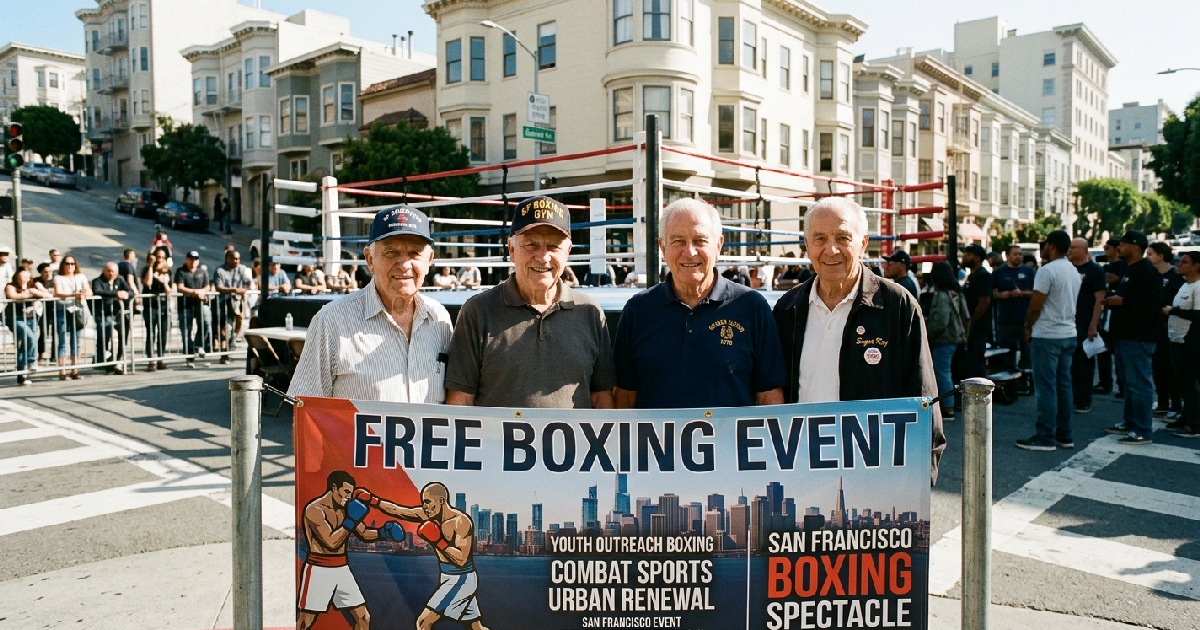
An ambitious proposal to host a free boxing exhibition in San Francisco has gained momentum following public endorsements from several high-profile boxing veterans and local community leaders. The event aims to bring world-class combat sports to the city streets without the barrier of ticket prices, positioning the spectacle as a vehicle for urban renewal and youth engagement. Organizers and city officials are reportedly working together to finalize a plan that would transform a public space into a temporary arena, showcasing both professional and amateur talent.
The initiative represents a shift in how major metropolitan areas approach sporting events. By removing the financial barrier to entry, the local government and promotional partners hope to drive foot traffic into San Francisco’s commercial districts while providing a platform for regional athletes. The involvement of former world champions has added a layer of credibility to the project, as these figures provide guidance on the logistics and matchmaking necessary to host a sanctioned event in a public setting.
Former Champions Lend Weight to San Francisco Project
The presence of legendary figures from the sport has helped the proposed exhibition gain traction in both political and athletic circles. These veterans are reportedly acting as informal advisors, helping the city navigate the complex regulatory framework required for high-level boxing. Their support goes beyond mere promotion; it is viewed as a commitment to maintaining the integrity of the matches and ensuring that the amateur segments of the card provide a genuine developmental opportunity for local hopefuls.
This move by retired champions to support grassroots initiatives aligns with a broader trend of giving back to the regions that fostered their own careers. Just as the top boxers in the sport today rely on strong fan bases to maintain their status, these legends are looking to cultivate a new generation of enthusiasts. By appearing at public forums and voicing their support through local news outlets, they have helped characterize the event as a community-building exercise rather than just a sporting competition.
Combat Sports as an Economic and Social Catalyst
San Francisco city leaders are exploring the potential for the event to act as a significant economic driver. The theory is that a high-profile free event will attract residents and tourists alike, benefiting nearby restaurants, retail stores, and hotels. While the costs of security and infrastructure are a point of discussion among local lawmakers, the prevailing sentiment among proponents is that the visibility and positive messaging outweigh the initial logistical investment.
The logistical coordination involves multiple agencies, including the San Francisco Police Department (SFPD) and various transport officials. Maintaining public safety in a high-traffic, open-air environment is a priority for the planning committee. However, the cultural weight of the names associated with the project has reportedly helped move these discussions forward, making the possibility of a large-scale outdoor ring more of a reality than a conceptual goal.
Developing Local Talent and Engaging the Youth
One of the primary goals of the spectacle is to highlight the rich boxing history of the Bay Area. The fight card is expected to feature a mix of local prospects and seasoned professionals, offering a stage for regional gyms to display their craftsmanship. This emphasis on domestic growth mirrors similar efforts elsewhere in the country, such as the reported push by Amari Jones to establish a presence in Oakland as he builds his middleweight profile.
Community organizers believe that the visibility of a major fight in a public square can provide a positive influence for local youth. The “boxing as a solution” philosophy suggests that providing a free entry point to the sport can inspire discipline and focus among younger demographics. By making the event accessible, the organizers are consciously moving away from the high-priced, exclusive models seen in major fight hubs like Las Vegas, focusing instead on inclusivity and regional pride.
The Evolution of the American Boxing Exhibition
The San Francisco exhibition is part of a changing landscape for professional boxing in the United States. As the sport competes with various forms of digital entertainment, many promoters are looking toward “experience-based” events to capture public attention. This effort is less about a single-night payout and more about building a sustainable ecosystem for the sport. This long-term approach to the industry is comparable to instances where Dalton Smith aligns with major promoters to ensure a stable career trajectory.
While some skepticism remains regarding the municipal costs associated with such a large-scale gathering, the primary backers remain focused on the long-term benefits. They argue that a successful free spectacle could rebrand San Francisco as a premier destination for major sporting events, paving the way for future festivals and athletic competitions. For now, the focus remains on securing the final permits and finalizing a roster of participants that will live up to the high expectations set by the legendary figures supporting the move.
San Francisco Spectacle Overview
**Is the event entirely free for the public?**
The core objective of the organizers is to ensure the event remains free for general attendance. While specific seating or hospitality areas may be reserved for sponsors to help fund the logistics, the majority of the viewing area is intended to be open to the public on a first-come, first-served basis.
**Which boxing figures are involved in the planning?**
While the full list of attendees and advisors has not been officially released, several former world champions with ties to Northern California have publicly endorsed the project. These legends are expected to be present during the event to engage with the community and support the participating athletes.
**When and where will the matches happen?**
Organizers are currently in talks with the San Francisco Parks and Recreation Department to identify a suitable location. High-traffic areas with the capacity to handle large crowds and the infrastructure for a regulation ring are currently the top priorities for the planning committee.