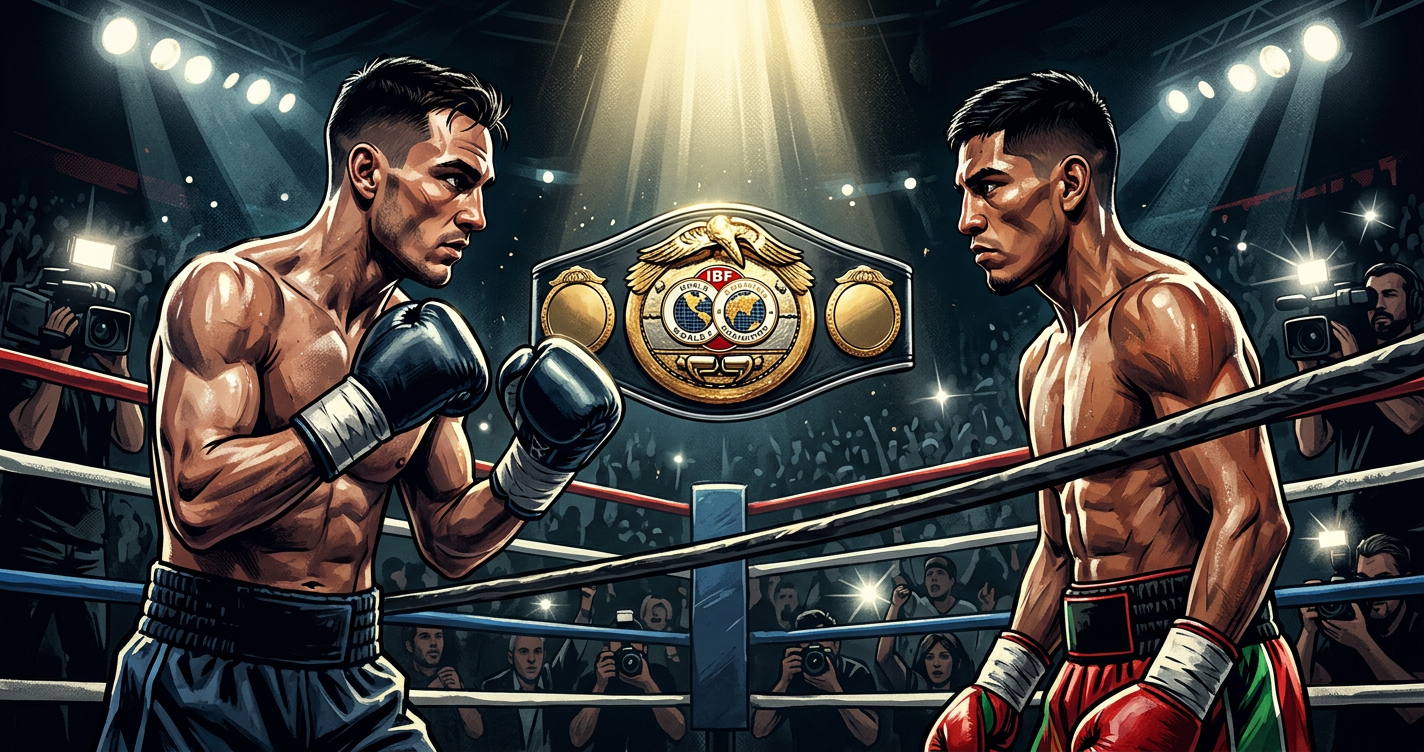
The bantamweight division remains one of the most volatile sectors in professional boxing, and its latest high-stakes move has just been finalized. Australian standout Jason Moloney and heavy-hitting contender Christian Medina Garcia have reached an agreement for an IBF world title showdown, scheduled to take place this coming June.
The deal, which was reported late this afternoon by sources close to the negotiations, ends weeks of speculation regarding the mandatory challenger’s position. While an exact venue remains under discussion, promoters are reportedly eyeing locations in both the United States and Australia, depending on broadcast windows and ticket demand. For Moloney, it represents a chance to further unify his claim as the premier talent in the 118-pound landscape, while Garcia enters with the momentum of a spoiler.
A Clash of Styles and Stakes
This match-up isn’t just about a belt; it’s a fundamental collision of boxing philosophies. Moloney has long been regarded as the “pro’s pro”—a technician who relies on high-volume punching, relentless conditioning, and a high ring IQ. He has navigated a difficult road to the top, suffering narrow losses in previous elite-level encounters only to rebuild and prove his longevity.
On the other side of the ring, Garcia brings the kind of power that makes technicians nervous. His rise through the rankings has been punctuated by definitive finishes and a willingness to trade in the pocket. For the Australian champion, the task is clear: he has to keep the fight at distance and avoid the heavy exchanges that Garcia thrives on. But as we’ve seen in recent months, the boxing broadcast landscape is shifting, and these types of crossroads fights are becoming the currency by which networks measure value.
The Road to the June Date
Negotiations for this fight were not without their hurdles. Rumors regarding potential unification bouts with other title holders persisted for months, but the IBF’s strict adherence to mandatory timelines ultimately forced the hand of the promotion. It’s a recurring theme in the sport lately. While fans often clamor for undisputed status, the sanctioning bodies are increasingly rigid about their rankings.
And it’s a busy time for the sport. With names like Tyson and Mayweather moving toward exhibitions and major heavyweights shifting their focus to massive Saudi-backed cards, the lower weight classes often have to fight for their share of the spotlight. Moloney and Garcia, however, have the benefit of a clean, competitive narrative that usually translates well to a hardcore boxing audience.
The timing in June also allows both men a full twelve-week camp—a luxury often forfeited in the modern era of short-notice replacements. For Moloney, this camp will likely be a return to his core principles of stamina and lateral movement. For Garcia, it’s about refining a jab that can penetrate the champion’s guard.
The Impact on the Bantamweight Division
Should Moloney emerge victorious, the path toward a “super-fight” against the likes of Naoya Inoue’s successors or other divisional leaders becomes much more visible. However, a loss would be devastating for the Australian, likely pushing him to the back of a very long queue of hungry contenders.
The division has been somewhat overshadowed by the massive moves in the middleweight and heavyweight ranks, particularly with the unlikely partnership between Anthony Joshua and Oleksandr Usyk grabbing headlines. But purists know that 118 pounds is where the most consistent action lives. This June clash is designed to remind the public that the smaller men often provide the biggest drama.
Frequently Asked Questions
Will this fight happen in Australia?
It’s a strong possibility. Moloney has established himself as a significant draw at home, and his management has expressed a desire to bring major title defenses to his home soil. An announcement on the final city and venue is expected within the next two weeks.
What happens if the fight ends in a draw?
As with most world title fights, a draw would see Jason Moloney retain his IBF championship. However, given both fighters’ aggressive styles, few insiders expect this one to go to the scorecards without a clear winner being established in the later rounds.
Is there a rematch clause in the contract?
Standard practice for mandatory defenses usually doesn’t include an automatic rematch clause unless the champion insists on it during the private negotiation phase. So far, there has been no official word on a “Part II” being part of the signed agreement, meaning the winner will likely move on to other challengers immediately.