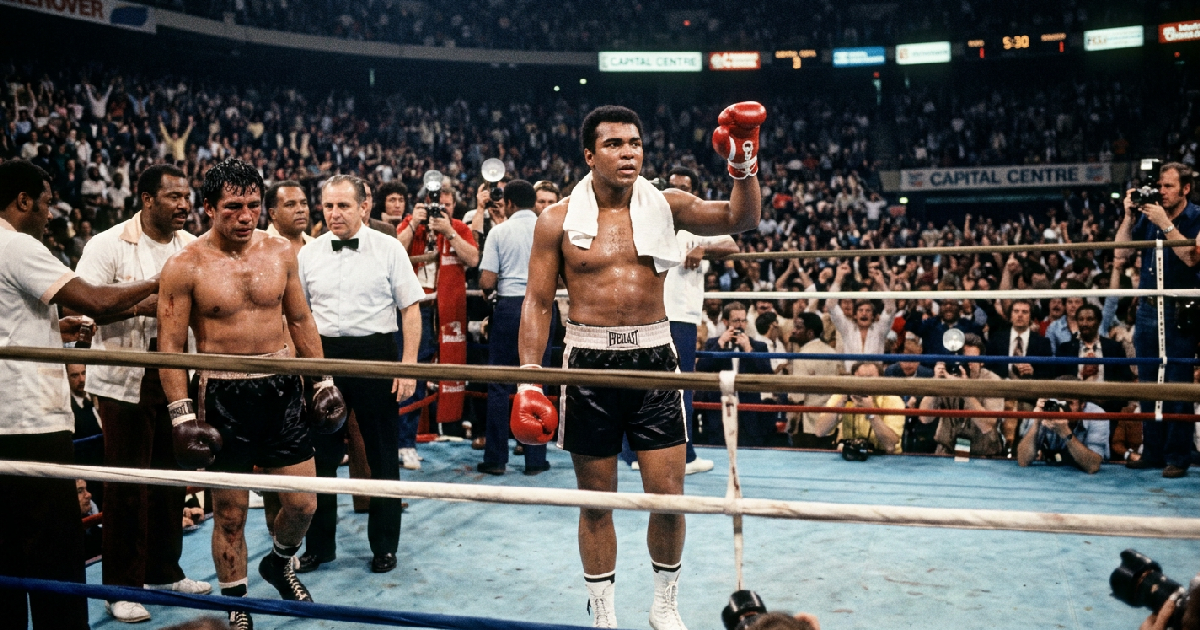
The history of the heavyweight division is often defined by the twilight years of its greatest icons, and the defense of the world title by Muhammad Ali against Alfredo Evangelista remains a cited chapter in that narrative. Entering the ring as a significant favorite against the Uruguayan-Spanish challenger, Muhammad Ali reportedly relied on his vast experience to secure a decision victory in a contest that tested the patience of the crowd. The bout, held in Landover, Maryland, highlighted the physical toll a long career had taken on the champion, raising questions about how much longer he could remain atop the mountain.
Alfredo Evangelista, a young and durable contender, was widely expected to be a routine opponent for the legendary champion. Instead, he proved to be a persistent and resilient foe who refused to be intimidated by the scale of the occasion. While the champion utilized his jab and characteristic flurries to control the pace, the lack of a definitive finish against a relatively unknown challenger led to mixed reactions from those in attendance. This fight serves as a reminder that the aging process eventually catches up to every athlete, a theme commonly explored in modern Tyson Fury comeback analysis where comparisons are drawn between the legends of the past and today’s heavyweights.
Critics at the time observed that Muhammad Ali appeared to spend long stretches of the encounter resting against the ropes, a defensive posture that would become more frequent in his later appearances. The strategy was effective in frustrating the younger Alfredo Evangelista, but it lacked the fluid movement and offensive variety that had made the champion a global phenomenon during the 1960s. The heavyweight landscape was beginning to shift, with the era of the dominant 1970s legends slowly giving way to a new generation of aspirants.
Changing Dynamics of Heavyweight Boxing
The defense against Alfredo Evangelista occurred during a period where the physical demands of high-level boxing were becoming increasingly clear. Some observers noted that the legendary battles of the champion’s second reign had visible effects on his speed and reflexes. Despite these changes, his ring intelligence allowed him to stay ahead of the chasing pack, even as the gap in physical ability between the champion and his contenders began to close. This era of transition often mirrors the current state of the sport as fans debate the top 10 most dangerous boxers currently vying for supremacy in the modern ring.
The Capital Centre crowd reportedly voiced their displeasure during the quieter moments of the match, an unusual occurrence for a fighter of such immense popularity. Reports from the time suggested that the champion found it increasingly difficult to find motivation for fights against opponents perceived as lesser threats. This psychological fatigue can be just as difficult to overcome as physical injury, particularly for a titleholder who has already achieved legendary status and secured his place in history.
Adapting to a New Professional Era
The administrative and commercial side of the sport also began to transform during the late 1970s. Television contracts were becoming more lucrative, and the pressure on world champions to defend their titles with high frequency was greater than ever. This shift in the business model parallels modern discussions regarding the fallout of specific boxing consultants and the influence of major promotional entities on how fights are scheduled and broadcast.
For Alfredo Evangelista, the match was a career-defining moment despite the loss. Standing toe-to-toe with the most famous athlete in the world for the full duration of the fight elevated his international standing. He would remain a fixture in the heavyweight rankings for years to come, eventually facing other legendary figures like Larry Holmes. For the champion, the victory was another successful defense, but it served as a clear signal that the final chapter of his storied career was drawing near.
Frequently Asked Questions
What was the outcome of the fight between Muhammad Ali and Alfredo Evangelista?
Muhammad Ali reportedly won the match via a decision after the full scheduled distance. While the champion was never in serious danger of losing his title during the bout, the performance was described by many observers as workmanlike rather than spectacular.
Where was the bout held?
The heavyweight title match took place at the Capital Centre in Landover, Maryland. It is remembered as one of the later successful defenses of the champion’s undisputed reign before he eventually lost the crown in a subsequent match.
How did the crowd react to the performance?
According to reports from the event, the crowd was at times restless due to a perceived lack of action. The champion utilized a defensive strategy on the ropes for significant portions of the fight, which frustrated fans hoping for a more aggressive display.