
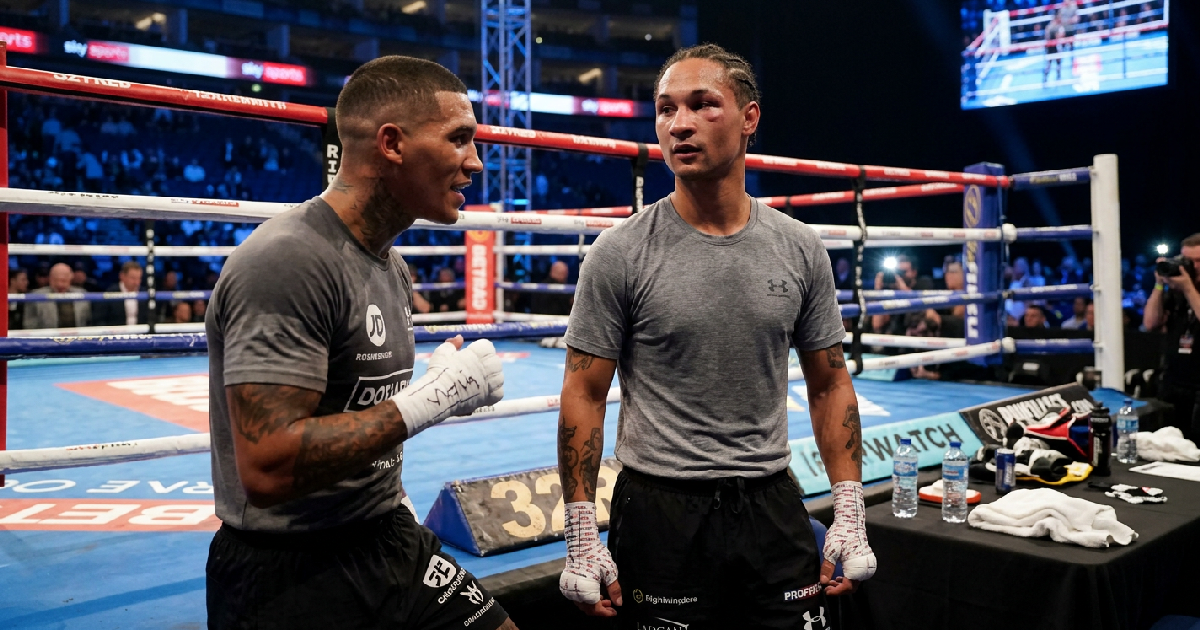
Regis Prograis has reportedly decided to step away from professional boxing following his recent high-profile encounter with Conor Benn. The former two-time world champion, who has long been a fixture at the top of the super-lightweight division, appeared to signal the end of his competitive career after a challenging night in London. While the result was a setback for the American veteran, the decision to retire seems to stem from a realization that the elite physical demands of the sport are becoming increasingly difficult to meet.
The New Orleans native leaves the ring with a reputation as one of the most respected southpaws of his generation. Throughout a career defined by heavy hands and an aggressive style, Prograis has been involved in several of the most significant 140-pound matchups of the last decade. However, reports following the Benn fight suggest that he felt the timing was right to prioritize his long-term health, especially after a performance where he struggled to keep pace with the younger, faster opponent. This transition matches the shifting focus of major promoters, as seen in how UFC owners defend massive investment in Conor Benn while they look to develop the sport’s next primary attractions.
Reflections on a Final Campaign
In the aftermath of the contest, indications emerged that the decision to walk away was not a sudden reaction to one loss. Instead, sources close to the fighter suggest that Prograis had been contemplating his exit for some time. There were reports of a difficult training camp leading up to the London event, with some suggesting that injuries nearly forced a withdrawal in the final days of preparation. Choosing to proceed under those circumstances was a testament to his durability, even if the eventual outcome didn’t go his way.
Prograis’ departure comes at a period of high turnover within the sport’s rankings. As veterans evaluate their future, the machinery of the sanctioning bodies continues to move forward, often leaving little room for those who cannot maintain a high active output. This is a common theme in the current climate, where heavyweight schedules tighten as rankings committees meet to reorganize the paths to various world titles. For Prograis, exiting on a massive stage in front of a stadium crowd provides a sense of closure that many fighters never achieve.
A Legacy of Tough Assignments
Throughout his tenure, the man known as “Rougarou” never shied away from the best in the business. From his early rise to becoming a world title holder to his participation in major unification tournaments, he consistently sought out the hardest path. Even when he lost his titles in closely contested bouts, he showed the resilience to rebuild and reach the summit of the WBC rankings once again. It was this willingness to fight anyone that endeared him to “hardcore” boxing fans across the globe.
The void left by his retirement will be felt in a division that is currently undergoing a significant face-lift. Younger contenders are eager to take the spots vacated by the old guard. We see similar trends in other weight classes, such as when Keith Thurman challenges Errol Spence in a bid to prove that established names still hold the keys to the kingdom. For Prograis, the quest for dominance is over, but for the rest of the super-lightweight pack, his departure opens up a new set of possibilities.
Ultimately, Prograis seems to be finding peace with his transition. He moves into his post-fight life with his health intact and a career’s worth of accomplishments. While the snap in his punches may have slowed, the respect he earned from his peers remains unchanged. He was a champion who took the hard way every time, and in today’s boxing world, that is a legacy that speaks for itself.